
Kay Granger, first Republican woman from Texas to serve in the House, has died at age 83
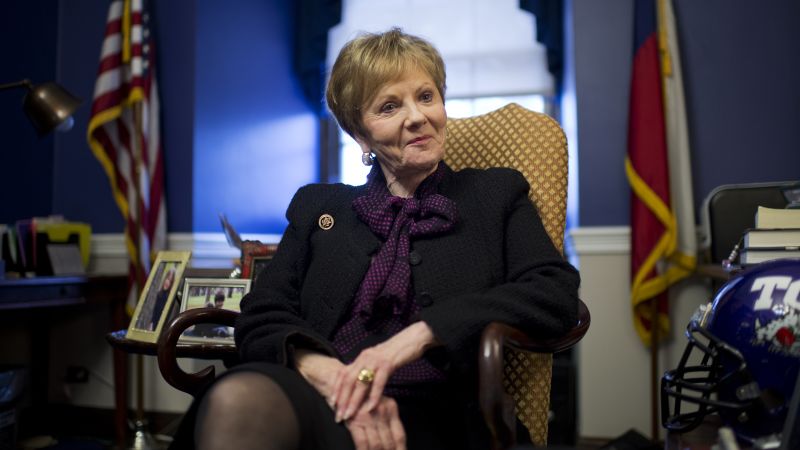
Kay Granger Dies at 83: First Republican Woman from Texas in Congress
Healfromzero.com – Kay Granger, the first Republican woman to represent Texas in the U.S. House of Representatives, died Sunday at age 83. Her son J.D. Granger confirmed the passing, ending a nearly three-decade political career that made her a trailblazer for women in Texas politics. Granger’s journey from a Fort Worth classroom to the halls of Congress reshaped how women participate in American governance.
A Career Built on Breaking Barriers
House Speaker Mike Johnson praised Granger’s legacy through a statement on X, noting she consistently “broke barriers for women in public service” throughout her tenure. Before her political ascent, Granger worked as an educator and entrepreneur, experiences that informed her legislative approach. She became the first woman elected mayor of Fort Worth, then later achieved another historic milestone as the first Republican woman to chair the powerful House Appropriations Committee.
Granger first entered Congress in 1996 after winning the Republican nomination. She declined to seek reelection in 2024, citing worsening health challenges that had made Washington travel increasingly difficult. Her office announced in December 2024 that she had not voted since July 2024, though specific medical details remained private.
From Teaching to Insurance to Politics
After graduating from Texas Wesleyan University in 1965, Granger initially considered fashion design but followed her mother’s path into education. She taught English literature and journalism for nine years in the Birdville school district. A divorce and the need to support three young children—including twins—led her to sell insurance from home, eventually building a business she ran for over two decades.
Her personal struggles shaped her political empathy. “I was a high school teacher with three children, a 2-year and 6-month-old twins, and my husband left,” Granger told The Hill in 2008. “It’s the reason I talk so much to working mothers … you just fight your way through the day.”
Transforming Fort Worth and Shaping Federal Policy
Granger’s political career began on Fort Worth’s zoning commission and city council before her mayoral victory in 1991. She implemented “Code: Blue” citizen patrol programs that cut crime in half while attracting major businesses to the struggling city. Her economic revitalization efforts earned national attention and helped secure her congressional nomination.
Once in Washington, Granger focused heavily on defense spending, championing F-35 Joint Strike Fighter production in Fort Worth. When Republicans took control of the House in 2023, she became Appropriations Committee chair, wielding significant influence over federal spending during a critical period.
Remembering a Texas Pioneer
Granger’s passing marks the end of an era for Texas Republican politics and women’s representation in Congress. Her legacy extends beyond her committee work—she demonstrated that women could lead effectively at every level of government, from city hall to the Capitol.
“She was a dear friend who will be greatly missed,” House Speaker Mike Johnson said of Granger, honoring both her political achievements and personal warmth.
Frequently Asked Questions
When did Kay Granger die? She passed away on Sunday, August 3, 2026, at age 83.
What made Kay Granger historically significant? She was the first Republican woman from Texas to serve in the U.S. House of Representatives and the first Republican woman to chair the House Appropriations Committee.
How long did Kay Granger serve in Congress? She represented Texas in the House from 1996 until 2024, spanning nearly three decades of public service.
What was Kay Granger’s career before politics? She worked as a high school teacher and later built a successful insurance business after a divorce required her to support three children alone.
Why did Kay Granger retire from Congress? Her office cited worsening health challenges that made frequent travel to Washington increasingly difficult and unpredictable.