
Asia’s wild AI frenzy stock swings ignite and destroy dreams of getting rich
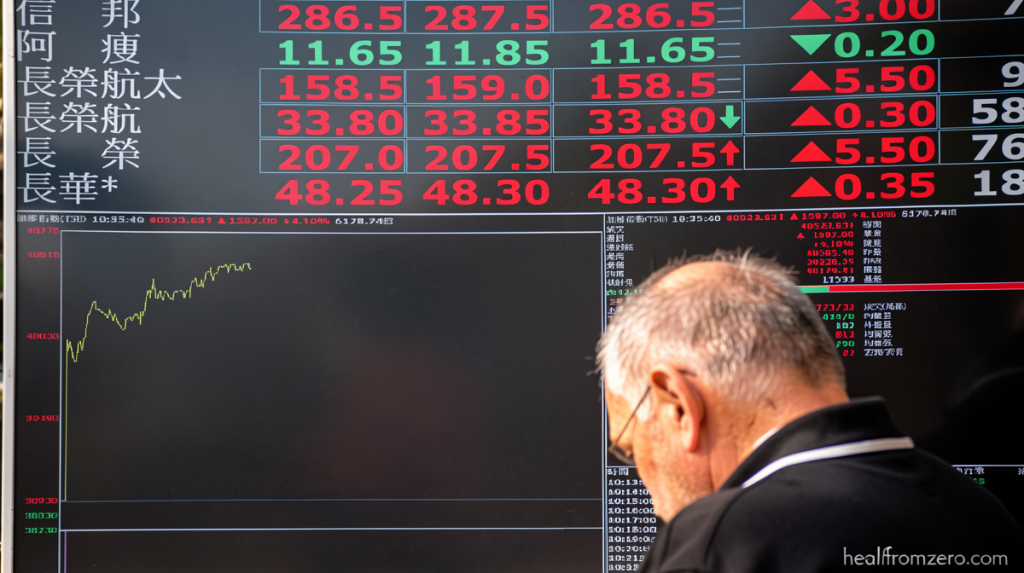
AI Mania Sweeps Asian Markets as Retail Investors Chase Record Gains
Healfromzero.com – Jennifer Ke, a 35-year-old operations professional at a cryptocurrency company, had long overlooked Taiwan’s equity markets. Her coworkers, however, couldn’t stop talking about their latest trading wins. One colleague proudly shared that he had earned at least one million Taiwanese dollars—roughly $31,000—from a single stock position. During an April dinner with a friend, Ke admitted she frequently pondered methods to increase her earnings. “He told me, ‘Oh, you should just invest in stocks,'” she remembered. “I started to think that, ‘Okay, this might be the opportunity.'” Ke didn’t anticipate becoming wealthy instantly. However, with inflation climbing and salaries remaining flat, she feared that relying solely on her office position wouldn’t provide sufficient funds for comfortable living and retirement. Following that conversation, she began incorporating individual stocks alongside her existing holdings of market funds and digital currencies.
The Semiconductor Boom Fuels Market Rally
Ke represents thousands of new investors across Asia who have recently entered equity markets, hoping to profit from a technology surge that pushed Taiwan, South Korea, and Japan to unprecedented levels earlier this year. Massive investments in artificial intelligence infrastructure and data centers are generating extraordinary profits for semiconductor suppliers. Asia’s chipmaking leaders—Taiwan Semiconductor Manufacturing Company, Samsung Electronics, and SK Hynix—have appreciated by more than 50 percent, 100 percent, and 150 percent respectively this year as American technology giants like Nvidia compete aggressively for chip supplies. Samsung announced that semiconductor profits climbed more than 250 times during the second quarter, while competitor SK Hynix similarly reported operating profits hitting historic peaks. Rising share prices have attracted newcomers like Ke in significant numbers. Taiwan Stock Exchange records indicate that new trading accounts hit a record high in March, based on monthly data tracking back to 2022. Meanwhile, South Korean retail investors are borrowing at unprecedented rates to buy equities, according to the Korea Financial Investment Association.
Volatility Brings New Risks
As aspirations of wealth have expanded, so too have the dangers of substantial losses. Asian and American technology stocks have experienced dramatic swings over recent weeks, occasionally erasing billions of dollars as investors debate whether artificial intelligence growth can support elevated valuations. Taiwanese investors are also borrowing near record levels, meaning market declines could trigger panic and forced selling, amplifying losses and raising the likelihood of a significant crash, explained Chung San-Lin, a finance professor at National Taiwan University. “When the market is very hot, many people want to become rich in a very short time,” he observed. “They even quit their jobs to be full-time investors. I don’t think this is a good situation.”
Personal Stories Reflect Broader Economic Shifts
As Ke’s investments appreciated, she began monitoring the market daily. Following a recent downturn, however, she grew hesitant to open her trading application, worried about confronting losses. Nevertheless, she intends to keep investing surplus funds into Taiwanese equities and has felt encouraged by returns that have exceeded her positions in broad market funds or cryptocurrency. “I’m just hoping that I can get part of my income from investment,” she stated. “Relying on salary, you’ll feel a lot of pressure if you only have one source of income.” Her perspective mirrors numerous Taiwanese residents who have expressed frustration over sluggish wage increases and expensive housing, even while the economy achieved record quarterly expansion exceeding 14 percent earlier this year.
AI Widens Economic Divides
Artificial intelligence is intensifying a comparable economic divide in South Korea. With semiconductor exports climbing sharply, employees at the country’s leading chip manufacturers have received bonuses approaching half a million dollars or more. Labor unions across other sectors are now also pressing for higher compensation. Concerned about growing income inequality, government leaders have proposed a “citizen dividend” or public fund to redistribute artificial intelligence profits to ordinary citizens. Yet stock trading has surged in popularity this year as a faster pathway to narrowing the wealth gap. “There’s an old saying in Korea: if your relative bought some land, you will get a stomachache,” noted Jung In Yun, founder and chief executive of Fibonacci Asset Management Global, which manages funds across South Korea and Singapore. “That kind of group mentality, where they constantly compare themselves with one another, facilitated this wave of retail investors coming into the market.” South Koreans have traditionally favored real estate investments, but the current artificial intelligence-driven rally has shifted attention toward equities. The phenomenon reflects a broader global trend where technological advancement creates both opportunities and challenges for ordinary workers seeking financial security in an increasingly competitive economy.
Related Reading
Frequently Asked Questions
What is Asia s wild AI frenzy stock?
Asia s wild AI frenzy stock is the main topic of this guide. The article explains the context, practical details, and next steps readers should understand.
Why does Asia s wild AI frenzy stock matter?
Asia s wild AI frenzy stock matters because readers are looking for a useful answer, not just a short summary. Good content should match search intent and help them decide what to do next.