
What experts say about the effectiveness of electric muscle stimulation workouts
Experts Weigh In on Electric Muscle Stimulation Workouts
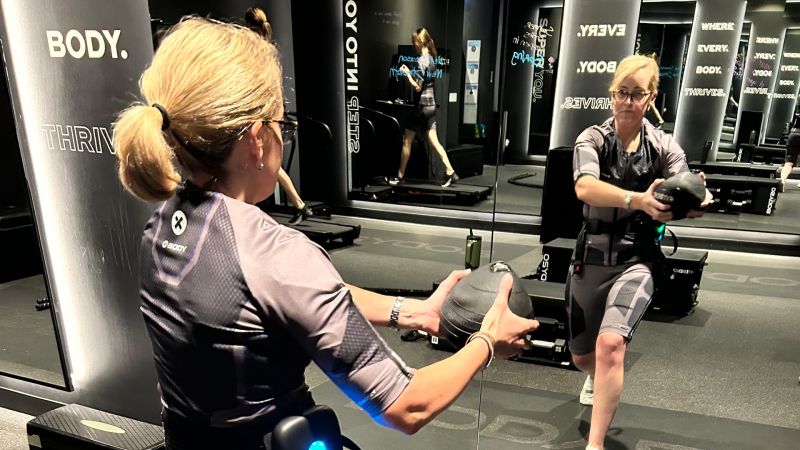
What experts say about the effectiveness – When traditional fitness routines failed to deliver the results Emily Ferrara sought, she turned to an unconventional solution: an electrode suit. “I found it online, and after reading about the science, I shared it with my previous trainer. She said, ‘This seems credible.’ I did my own research and found it intriguing—only 20 minutes a session,” she explained. At 43, Ferrara had concerns about her thyroid condition and PMOS (postural muscle overuse syndrome), but after consulting with a physician, she felt confident enough to try the method. Now, two years later, she continues to attend three weekly EMS sessions at an Atlanta studio, claiming significant changes in her physique.
Ferrara’s transformation underscores the growing appeal of electrical muscle stimulation (EMS) as a fitness tool. Unlike conventional workouts, EMS employs a unique approach by using electrodes to send impulses that trigger involuntary muscle contractions. While she still incorporates cardio twice a week, Ferrara credits the EMS sessions for altering her body composition, reducing fat while increasing lean muscle mass. “My body fat was much higher. They measured it precisely, and now I’ve seen the results I wanted—my weight dropped slightly, but the real change is in muscle distribution,” she said, highlighting the method’s effectiveness for her goals.
The Rise of EMS in Popular Culture
EMS has rapidly gained traction in fitness circles, driven by social media trends and its availability in studios nationwide. Playlist, the parent company of the ClassPass app, reported a 16% surge in venues offering EMS workouts between 2023 and 2025. This growth has been fueled by high-profile endorsements, such as soccer legend Cristiano Ronaldo, who uses EMS as a supplement to his rigorous training regimen. The technology helps him target his core, enhancing muscle definition without extensive movement. Similarly, actor Tom Holland donned an EMS suit during his preparation for a “Spider-Man” role, showcasing its utility for performance-based training.
For many, EMS represents a fusion of cutting-edge technology and fitness. The process typically involves wearing a suit embedded with electrodes, which deliver electrical impulses to stimulate muscle fibers. Classes often begin with a warm-up on a treadmill to generate body heat, ensuring optimal conductivity. Participants then perform brief exercises, such as squats or TRX band workouts, while the suit activates muscle contractions. This combination of physical activity and electrical stimulation is marketed as a time-efficient way to maximize muscle engagement.
A Historical Perspective on EMS
Although EMS is now a staple in modern gyms, its origins trace back to therapeutic applications. Long before it became a fitness trend, the technique was used in physical therapy to aid recovery and in Soviet sports programs during the 1970s. Athletes in those programs leveraged EMS to build strength, with the goal of targeting specific muscle groups for enhanced performance. The method’s transition from rehabilitation to recreation highlights its adaptability and perceived effectiveness.
However, not all experts are convinced of its universal value. Dr. Greg Holtzman, a clinical practice division director at Washington University PT, emphasized that EMS is most beneficial for individuals with extreme muscle needs. “It works well for patients recovering from surgery or for athletes aiming to isolate certain muscles for precise gains,” he noted. He questioned its efficiency as a general fitness tool, arguing that varied exercises like weightlifting or functional training offer broader benefits. “The literature supports e-stim for the very weak or the very strong, but as a standalone workout, it might not be as effective—or as comfortable—as traditional methods,” he added.
Benefits and Risks of EMS
Dr. Holtzman pointed out that EMS recruits larger muscle fibers first, unlike the body’s natural muscle activation process, which prioritizes smaller fibers. This can lead to rapid fatigue, requiring participants to maintain proper form to prevent injury. “Even with the stimulation, movement itself can cause strain, so technique remains critical,” he warned. While the technology itself is unlikely to cause severe harm, potential side effects include skin irritation and mild discomfort.
Despite these risks, many users report positive outcomes. Ferrara, for instance, noted her body fat levels decreased while muscle mass increased. The convenience of EMS—offering a short, intense session—appeals to busy individuals. But experts caution that consistency and complementarity are key. “EMS isn’t a replacement for a balanced routine; it’s best used in conjunction with other exercises,” Holtzman advised. He also highlighted that people with conditions like active infections, malignant tumors, or pacemakers should consult a healthcare professional before starting.
The growing popularity of EMS raises questions about its long-term impact on health. While it can help target specific muscles, critics argue that it may not provide the same benefits as traditional workouts. “You can’t fully replace the complexity of movement with electrical impulses,” Holtzman said. He suggested that for most people, a mix of EMS and conventional strength training would yield the best results. This hybrid approach allows for the advantages of both methods: the targeted stimulation of EMS and the functional engagement of traditional exercises.
As more people explore EMS, the focus on its effectiveness continues to evolve. For Ferrara, the method has become a cornerstone of her fitness journey. “I’ve noticed a shift in how my body feels and looks. It’s not just about weight loss—it’s about how the muscles are responding,” she said. Her experience reflects a broader trend where individuals seek innovative ways to achieve their fitness goals. Yet, as with any new technology, the key lies in understanding its limitations and integrating it thoughtfully into a well-rounded regimen.
Whether EMS is a game-changer or a gimmick depends on individual needs and goals. For those with specific requirements, it can be a powerful tool. For others, it may complement their existing routines without replacing them. As the method becomes more mainstream, further research will likely clarify its role in the fitness landscape. Until then, users like Ferrara continue to share their stories, offering a glimpse into the transformative potential of this high-tech approach to exercise.