
Saudi Aramco helicopter crash kills 14 nationals
Saudi Aramco Helicopter Crash Claims 14 Lives
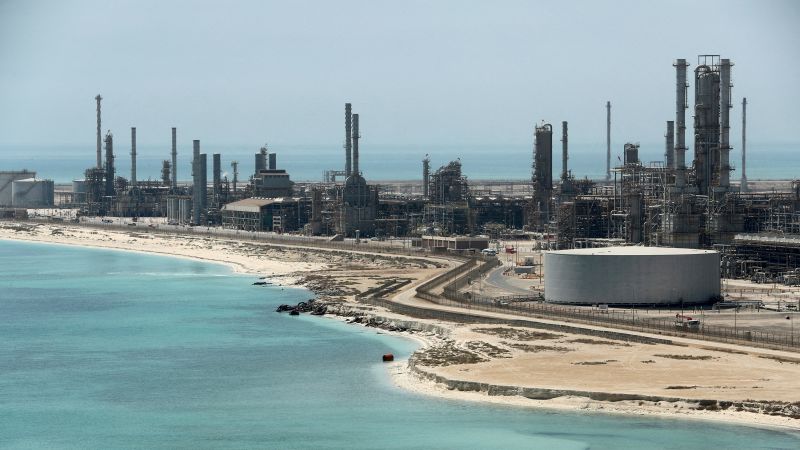
Saudi Aramco helicopter crash kills 14 nationals – A helicopter operated by Saudi Aramco crashed near the Ras Tanura terminal on Sunday, killing 14 individuals, according to the state news agency. The incident occurred at 6 a.m. local time (0300 GMT) and took place in Ras Tanura, a critical location on Saudi Arabia’s eastern coastline, west of the strategically important Strait of Hormuz. While the cause of the crash remains under investigation, officials have confirmed that the crash site is near the terminal, which serves as a key hub for oil exports.
Resumption of Operations Amid Recent Activity
Following a four-month suspension, crude oil loading operations at the Ras Tanura terminal resumed on Friday. This marked a significant step for Saudi Arabia’s energy sector, which has been working to stabilize production levels amid global market fluctuations. The crash occurred just days after the terminal reopened, raising questions about the timing and potential risks associated with renewed activity. The state news agency provided minimal details, stating only that the crash happened at 6 a.m. and that authorities were investigating the cause.
Geopolitical Context and Oil Export Trends
Saudi Arabia, the world’s largest oil exporter, has been accelerating its efforts to bolster global energy supplies. This comes as Middle East producers increase oil and gas output in anticipation of an interim agreement aimed at easing tensions between the United States and Iran. The agreement, set to take effect in the coming weeks, seeks to reduce the risk of conflict in the region, which has historically impacted oil markets. With production ramped up, the crash at Ras Tanura adds a new layer of concern to the energy sector’s recent momentum.
Investigation and Official Statements
“The relevant authorities have launched a full investigation to determine the cause of the crash,” the state news agency stated in a press release. This marks the first official response regarding the incident, though no further details were provided. The agency emphasized the importance of the crash in the context of ongoing operations, noting that the terminal’s restart was a major development for the region’s energy infrastructure.
“Crash investigations typically take several days to complete, especially when the cause is not immediately apparent,” a spokesperson for the Saudi Ministry of Energy explained. “Our priority is to ensure the safety of all personnel and to understand the full scope of the incident before making additional statements.”
Industry Impact and Safety Concerns
The crash has sparked renewed discussions about safety protocols in the oil and gas industry, particularly in high-traffic areas like Ras Tanura. With the terminal’s reopening, the region’s energy output is expected to rise, contributing to the global supply. However, the incident highlights the challenges of maintaining operational efficiency while managing risks. Industry experts have noted that helicopter travel is a common method for transporting personnel and equipment in such remote locations, but the frequency of such accidents raises eyebrows.
Background on Ras Tanura Terminal
Ras Tanura, located on the coast of the Persian Gulf, is one of Saudi Arabia’s most vital oil export sites. It plays a crucial role in the kingdom’s strategy to meet international demand and maintain its position as a leading energy producer. The terminal’s restart on Friday followed extensive maintenance and a temporary halt due to logistical challenges and safety assessments. The crash, which occurred during this phase of increased activity, has disrupted the timeline of operations and prompted further scrutiny.
International Reactions and Economic Implications
News of the crash has drawn attention from international markets, where oil prices are closely monitored for any signs of volatility. Analysts are now questioning whether the incident will affect the kingdom’s ability to meet its export targets. The state news agency has not yet released information about the helicopter’s origin or the specific conditions at the time of the crash, leaving many questions unanswered. However, officials have assured that the investigation will prioritize transparency and clarity.
Operational Resilience and Future Outlook
Despite the tragedy, Saudi Aramco has demonstrated resilience in its operations. The resumption of crude oil loadings at Ras Tanura underscores the company’s commitment to maintaining supply chain stability. Industry sources suggest that the terminal’s reopening was a strategic move to support global energy markets, which have been under pressure due to geopolitical uncertainties. The crash, while a setback, is expected to be a temporary disruption rather than a long-term issue.
Human Impact and National Reflection
The loss of 14 Saudi nationals has prompted a moment of reflection within the country. These individuals were likely part of the workforce critical to the nation’s energy infrastructure, highlighting the human cost of operational demands. Families of the victims are now awaiting updates from the investigation, which is expected to provide insights into the circumstances of the crash. The incident also serves as a reminder of the risks inherent in the oil and gas industry, where safety and efficiency must be balanced at every stage.
Broader Implications for Regional Stability
With the interim deal between the United States and Iran looming, the crash at Ras Tanura adds another dimension to the geopolitical landscape. The agreement aims to reduce tensions in the Middle East, where oil production is a key economic driver. The incident underscores the interconnectedness of regional politics and energy operations, as disruptions in one area can have ripple effects across the global market. As investigations continue, the focus remains on how this event might influence the broader energy outlook for Saudi Arabia and its allies.
The state news agency’s statement about the crash serves as a focal point for ongoing discussions about safety standards in the industry. While the exact cause remains unknown, the investigation is expected to provide a comprehensive analysis of the incident. This will be crucial in determining whether any changes are needed to prevent similar occurrences in the future. For now, the focus is on understanding the circumstances that led to the crash and its implications for the energy sector.