Average US gas price drops below $4 – barely

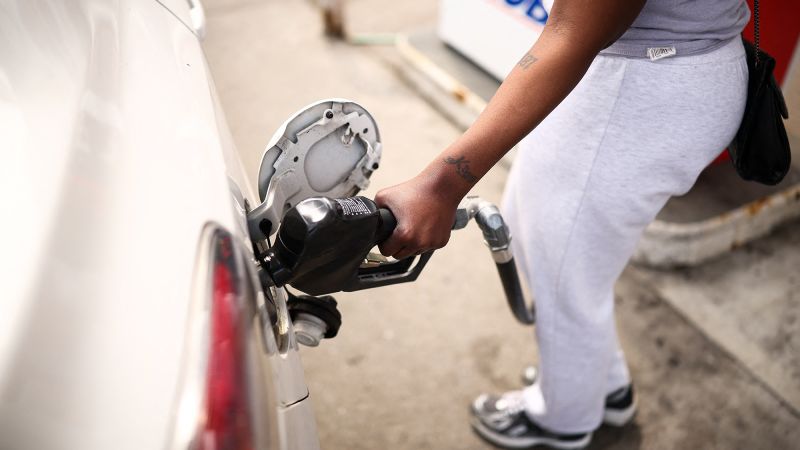
US Gas Prices Dip Below $4 Mark After Hormuz Reopening
Average US gas price drops below 4 – The U.S. average price for a gallon of regular gasoline has fallen below the $4 threshold for the first time in over three months, marking a modest but significant shift in the energy market. According to the American Automobile Association (AAA), the national average plummeted to $3.999 per gallon on Thursday, a decrease of nearly 3 cents from the previous day. This drop follows a sustained decline since prices hit a peak of $4.56 on May 21, as the threat of the Strait of Hormuz closure eased. However, the recent fall has not yet restored prices to their pre-war levels, which had hovered around $3 per gallon before the conflict began.
Regional Variations and Market Dynamics
While the national average has dipped below $4, regional disparities remain stark. Indiana currently holds the title of the most affordable state, with gas priced at $3.40 per gallon. This is part of a broader trend, as 28 states now report prices under $4, compared to just 13 at the start of the crisis. Another tracking service, GasBuddy, noted that prices had stabilized near $3.98 by early Thursday, following a decline below $4 on Sunday. These fluctuations highlight the complex interplay of supply chains, geopolitical tensions, and market sentiment in shaping fuel costs.
Experts attribute the recent drop to the anticipated reopening of the Strait of Hormuz, a critical chokepoint for global oil trade. The closure of the strait in late February had disrupted approximately 20% of the world’s oil supply, sending prices surging. Now, with the agreement between Iran and the U.S. to end hostilities, hopes for a return to normal shipping operations have tempered the upward pressure on fuel costs. Yet, the effects of the prolonged disruption continue to ripple through the market.
Global Oil Market and Long-Term Outlook
The reopening of the Hormuz strait has been a key catalyst, but the broader global oil market remains a crucial factor. Despite the temporary relief, the world’s largest oil producer, Saudi Arabia, has not signaled a rapid return to pre-war production levels. This, combined with the lingering effects of the conflict on regional infrastructure, has kept the price of crude oil elevated. Long-term oil prices, which are the primary driver of gas costs, have not shown signs of dropping below the $70-per-barrel mark any time soon. Analysts suggest that the current pricing reflects a new equilibrium rather than a return to previous conditions.
Even as prices fall, the pace of reduction has been slower than the sharp increases seen earlier in the conflict. Gas station owners, who had raised prices aggressively in response to rising wholesale costs, are now adjusting at a more measured rate. This is partly because many operators had already cut into their own margins to stay competitive during the height of the crisis. Some may now seek to recoup those losses, which could lead to a gradual stabilization rather than an immediate decline.
“Gas prices go up like a rocket and come down like a feather,” said Tom Kloza, an independent oil analyst and advisor to major oil company Gulf Oil. This adage has proven particularly relevant in the current context, as the average retail price has fallen by only 2 cents per day since its peak. Contrast this with the over $1 surge during the first month of the war, which marked the most dramatic one-month increase in gas prices this century.
The global nature of the oil market also plays a role in the trajectory of U.S. prices. Even though only a fraction of Middle Eastern crude reaches American shores, the flow of oil through the Hormuz strait still exerts significant influence. The strait’s reopening has alleviated some pressure, but the supply chain’s recovery is not a straightforward process. For instance, the region’s oil production and refining capacity were severely impacted during the closure, with some facilities damaged or shutdown entirely. Restoring operations will take time, according to industry experts.
Challenges to Reaching Pre-War Levels
Analysts warn that while prices are declining, the path back to the pre-war average of $3 per gallon is unlikely in the near term. “We’ll figure out what the new normal is,” said Dan Pickering, founder and chief investment officer at Pickering Energy Partners. “But it isn’t going to be $2.85 gasoline.” The recovery of oil inventories, which have reached a decade-low, is another hurdle. As the summer driving season intensifies, demand for fuel is expected to rise, potentially pushing prices back above $4.
Furthermore, the role of emergency reserves and excess inventory has been critical in preventing a more severe price spike. These reserves, released in response to the crisis, have helped cushion the market. However, as seasonal demand increases, the risk of shortages could resurface. The combination of reduced supply, ongoing repairs to regional infrastructure, and the inertia of the global market means that prices may remain elevated for the foreseeable future.
While the recent decline is a positive sign, it underscores the volatility of the energy sector. The U.S. market, though affected by the Hormuz closure, is also influenced by factors such as refinery capacity, transportation costs, and international trade dynamics. The gradual nature of the price drop reflects both the resilience of supply chains and the cautious approach of market participants. As the situation stabilizes, the focus will shift to long-term trends and how they shape the future of fuel pricing.
In the meantime, consumers are likely to see continued moderation in gas prices, though at a slower rate than the rapid increases earlier this year. The interplay between geopolitical developments, production levels, and market expectations will determine the next phase of the oil and gas market. With the Strait of Hormuz now open, the path to recovery is clearer—but the destination may still be out of reach for many Americans in the coming months.
Historical Context and Future Implications
Historically, gas prices have shown a tendency to rise swiftly in times of crisis but fall gradually once conditions stabilize. This pattern has been evident in the current situation, where the initial shock of the Hormuz closure led to a sharp spike, but the recovery has been more measured. The current average price drop of $3.999 per gallon is a small step toward normalization, but experts emphasize that it may not be the last. With inventories at their lowest in decades, the risk of a new price surge remains.
Moreover, the conflict’s impact on oil production has created a long-term challenge. The region’s refineries, which had been operating at reduced capacity due to the strait’s closure, are now working to ramp up output. However, full recovery could take several months, as reported by Matt Smith, lead oil analyst at Kpler. He noted that it would likely take three to four months to restore normal tanker traffic through the strait, and even longer to replenish the oil reserves lost during the months of fighting. This slow rebound will continue to shape the pricing landscape in the U.S. and beyond.
As the energy market adjusts to the new geopolitical realities, the average U.S. gas price will remain a barometer of broader economic and supply chain health. While the immediate future looks more promising, the path to a return to pre-war levels remains uncertain. The interplay of temporary fixes, infrastructure recovery, and global demand will determine whether the $4 mark becomes a lasting benchmark or just a brief reprieve in a longer cycle of price fluctuations.
For now, the decline in prices is a welcome relief, but it may not signal an end to the challenges faced by the energy sector. The combination of reduced supply, repair efforts, and market dynamics ensures that the U.S. gas price will continue to evolve. As consumers and businesses adapt to the new pricing environment, the focus will remain on how these changes will impact the broader economy and long-term energy strategies.