The 14-point US-Iran peace plan, annotated

The 14-Point US-Iran Peace Plan, Annotated
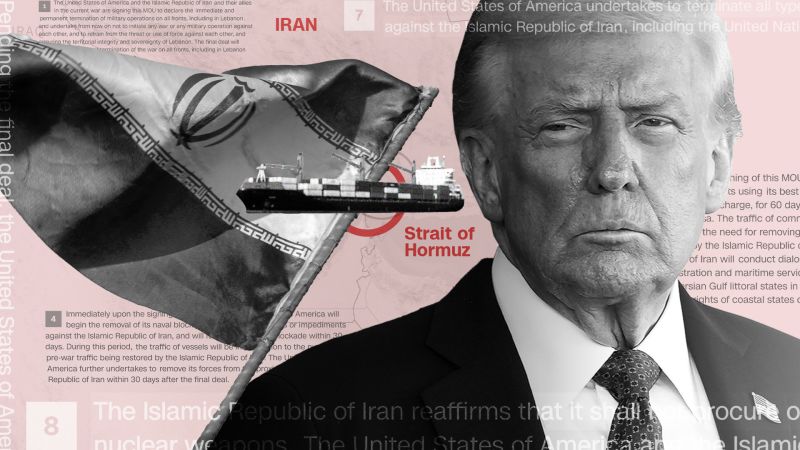
The 14 point US Iran peace – In a significant diplomatic development, the United States and Iran have unveiled a 14-point memorandum of understanding (MOU) designed to build upon the current ceasefire and restore normalcy to the Strait of Hormuz. This agreement, while concise, marks a pivotal step in addressing longstanding tensions between the two nations. However, its brevity raises questions about the depth of its provisions, particularly regarding the contentious issue of Iran’s nuclear program. The plan serves as a framework for future negotiations, leaving critical details to be fleshed out in subsequent discussions.
A Focus on Immediate Relief
The primary objective of the MOU is to ease the immediate economic strain on Iran by lifting sanctions that have restricted its ability to trade oil and access global markets. By enabling Iran to resume oil exports, the agreement aims to inject billions into its economy. Additionally, it outlines the potential release of frozen assets, estimated at over $300 billion, which could provide further financial relief. These measures are expected to stabilize Iran’s economy, though their long-term impact remains to be seen.
Despite its focus on economic relief, the plan also addresses strategic concerns. The Strait of Hormuz, a vital chokepoint for global oil shipments, is a key priority. The MOU seeks to ensure uninterrupted traffic through this narrow waterway, which has been a flashpoint for regional conflicts. However, the agreement does not fully resolve the underlying disputes that have fueled these tensions. Instead, it frames the issue as a cooperative effort to maintain stability, with details yet to be determined.
The Trump Administration’s Signature Style
The Trump administration has a distinct preference for multi-point agreements, often emphasizing detailed outlines to set the stage for broader negotiations. This approach is evident in the 14-point plan, which mirrors earlier efforts such as the 20-point proposal to end hostilities in the Gaza Strip and the 28-point framework aimed at resolving Russia’s conflict in Ukraine. These agreements, though not fully realized, reflect a pattern of prioritizing comprehensive, structured dialogues.
By following this model, the US-Iran MOU attempts to balance immediate gains with long-term goals. While the 14 points provide a clear roadmap, they also allow for flexibility in addressing complex issues. The document’s brevity, however, means that many specifics—such as the duration of the ceasefire or the exact terms of asset release—will be negotiated later. This strategy may help prevent premature commitments but could also delay tangible progress.
Breaking Down the Agreement
Senior Trump administration officials have outlined the 14-point plan in detail, emphasizing its pragmatic approach. According to one official, the document is “a starting point for a lasting peace,” with each point serving as a foundation for deeper dialogue. The agreement’s structure is designed to be both comprehensive and adaptable, allowing for adjustments as new information emerges.
“This plan is about creating a framework where both sides can work together to secure mutual interests,” stated the official. “It’s not a final resolution, but a step toward meaningful cooperation.”
The first several points focus on restoring trade and economic ties. They include provisions for lifting sanctions on oil exports and granting Iran access to international financial systems. These measures are intended to alleviate economic pressures and encourage diplomatic engagement. However, the agreement also introduces conditions for Iran’s compliance, such as commitments to reduce its nuclear activities.
One of the most anticipated aspects of the plan is its potential to address Iran’s nuclear program. While the specifics are not yet clear, the MOU signals a willingness to engage on this issue. This is a significant shift from previous administrations, which often viewed Iran’s nuclear ambitions as a primary threat. The inclusion of nuclear-related points in the agreement suggests that the US is prioritizing strategic stability over ideological opposition.
Implications and Challenges
The 14-point MOU has sparked mixed reactions among analysts and policymakers. Some see it as a bold move toward normalization, while others question its effectiveness in resolving deeper geopolitical rifts. The agreement’s success will depend on Iran’s willingness to reciprocate and the US’s ability to uphold its commitments. Additionally, the involvement of international allies, such as the United Kingdom and Japan, may play a crucial role in ensuring the plan’s viability.
One of the key challenges is the timeline for implementation. The US has expressed urgency in addressing the crisis, but Iran may require more time to negotiate its terms. The plan’s flexibility could be an advantage, but it also introduces the risk of ambiguity. For instance, the exact mechanisms for releasing frozen assets remain unspecified, leaving room for interpretation. This could lead to disputes if the terms are not clearly defined.
Another area of concern is the scope of the ceasefire. While the agreement mentions expanding the current pause in hostilities, it does not detail the duration or the conditions for its continuation. This omission may raise questions about the sustainability of the ceasefire and whether it will be sufficient to prevent renewed conflict. The inclusion of Iran’s nuclear program in the discussion adds another layer of complexity, as it ties the economic benefits to strategic concessions.
Despite these uncertainties, the MOU represents a critical juncture in US-Iran relations. It offers a platform for dialogue and sets the stage for more comprehensive agreements. The plan’s emphasis on financial incentives and strategic cooperation suggests a shift toward pragmatic diplomacy, with both nations seeking to balance their interests. However, the road to a lasting peace will require more than a 14-point outline—it will demand sustained engagement and mutual trust.
A Roadmap for the Future
The 14-point plan is structured to guide future negotiations, with each point serving as a building block for a broader accord. From economic relief to nuclear safeguards, the agreement covers a range of issues that have long divided the US and Iran. While the immediate benefits are clear, the long-term success of the plan hinges on its ability to address these multifaceted challenges.
Analysts have noted that the agreement’s focus on economic cooperation is a strategic move. By addressing Iran’s financial needs first, the US aims to create an environment conducive to broader talks. This approach may help build momentum for other issues, such as regional security and diplomatic recognition. However, it also means that the nuclear program, a central concern for many, will be tackled later, potentially complicating the overall process.
As the plan moves forward, the international community will be closely watching. The agreement’s impact on global oil markets, regional stability, and Iran’s domestic politics could have far-reaching consequences. For now, the 14-point outline serves as a symbol of renewed diplomatic efforts, offering hope for a resolution that balances competing priorities.
In conclusion, the US-Iran peace plan, though brief, is a significant step toward resolving their complex relationship. By focusing on immediate economic relief and setting the stage for future negotiations, the agreement aims to create a foundation for lasting cooperation. While challenges remain, the document’s structure and content provide a clear path forward for both nations.