Sky-high World Cup ticket prices spark investigation by NY and NJ attorneys general

Sky-high World Cup ticket prices spark investigation by NY and NJ attorneys general
Attorneys General Probe FIFA’s Pricing Tactics
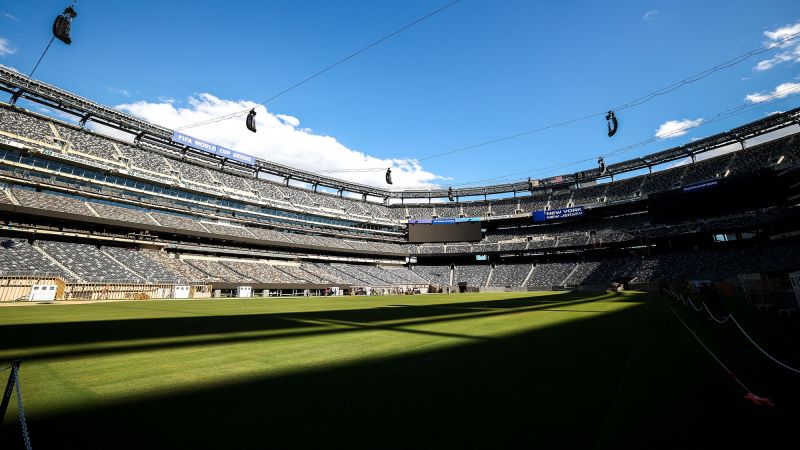
Sky high World Cup ticket prices – On Wednesday, the attorneys general of New York and New Jersey launched an investigation into the pricing strategies of FIFA, the governing body of international soccer, following complaints about exorbitant ticket costs for the 2026 World Cup. The focus of the inquiry centers on the MetLife Stadium, now rebranded as the New York New Jersey Stadium for the duration of the tournament, where ticket sales have drawn widespread scrutiny. New York Attorney General Letitia James and New Jersey Attorney General Jennifer Davenport have issued subpoenas, demanding detailed documentation from FIFA regarding its approach to setting prices for matches held in the venue. The officials allege that discrepancies between advertised pricing and actual seating arrangements may have led to confusion among fans, with some purchasing tickets only to later discover they received less desirable seats.
James and Davenport’s probe comes amid growing frustration over the financial burden placed on consumers. The duo claims that FIFA’s communication during the ticketing process, including public statements and promotional materials, could have misled buyers about the value of their purchases. This has fueled accusations that the organization exploited demand by creating an artificial sense of scarcity, driving prices beyond reasonable levels. According to the New York Times, the cost of group matches in the United States ranged from $60 for limited tickets to over $600, with the final priced at a staggering $10,990 face value. On resale platforms, the final’s tickets have even reached six-figure sums, with some listings hitting $2 million. This has prompted fans to question whether FIFA’s practices align with fair market principles or if they have manipulated the system for profit.
The legal action highlights a broader issue: the transparency of FIFA’s pricing model. The attorneys general argue that the organization’s decision to reclassify seating zones after ticket sales began has created a situation where buyers may not have received the seats they anticipated. Initially, the stadium was segmented into four distinct categories, with lower-numbered zones offering better viewing positions. However, following the release of tickets, FIFA introduced additional zones, adding a front section to each existing category. This change, they contend, effectively reduced the availability of premium seats, leaving fans with limited options and higher costs.
MetLife Stadium and Seat Map Controversy
The MetLife Stadium, which has been renamed for the World Cup, has become a focal point of the investigation. Its location in New Jersey, combined with the high demand for matches in the United States, has made it a key venue for the tournament. However, the way seats were categorized and marketed has raised eyebrows. Fans who purchased tickets under the original pricing structure found themselves displaced to less optimal locations, with some reports indicating that they were assigned seats far from the field or behind the goals. This has sparked outrage, as many believe they were misled about the value of their purchases.
James and Davenport emphasize that the issue is not merely about high prices but about the lack of clarity in how seats are distributed. They point to FIFA’s public statements and ticket releases as contributing factors to the price surge, suggesting that the organization may have intentionally created a perception of limited availability. For instance, the introduction of new zones and front sections after sales commenced has been described by some as a tactic to inflate costs. The attorneys general stress that the pricing process should be straightforward, yet FIFA’s methods have turned what was supposed to be a simple transaction into a complex and costly ordeal for fans.
Resale Market and Fan Reactions
While FIFA defends its pricing as a reflection of market demand, the rapid escalation of ticket prices on secondary platforms has left many fans feeling cheated. The final, in particular, has become a symbol of the financial disparity between original and resale prices. Tickets that were initially sold for $10,990 are now being resold for more than double that amount, with some transactions reaching $2 million. This has prompted widespread criticism, with fans accusing FIFA of exploiting the market through strategic marketing and limited initial availability.
In response to the public backlash, New York City Mayor Zohran Mamdani recently announced an initiative to provide city residents with access to $50 tickets for select World Cup matches. This move aims to alleviate some of the financial strain on local supporters, though it has not quelled the broader controversy surrounding FIFA’s pricing practices. The mayor’s plan, while a step toward affordability, is seen by many as a temporary measure in an ongoing struggle for fair access to the event.
California Attorney General Rob Bonta has also joined the fray, requesting information from FIFA to determine if the organization violated state laws during the ticket sales process. This expansion of the investigation underscores the national concern over the pricing of World Cup matches. The attorney general’s office is exploring whether FIFA’s tactics may have been misleading or unfair, potentially affecting not just New York and New Jersey but fans across the country.
As the 2026 World Cup approaches, the legal and economic implications of FIFA’s ticketing strategy continue to unfold. The tournament, which will be co-hosted by the United States, Mexico, and Canada, is set to begin on June 11, with the first match in New Jersey scheduled for June 13. The final will take place on July 19, marking the culmination of a month-long series of games. While the event promises to be a spectacle, the question remains: will the ticketing process ensure equitable access, or will it further alienate fans who feel the cost is out of control?
FIFA’s Defense and the Path Forward
FIFA has not yet provided a detailed response to the allegations, though it previously stated that its pricing strategy is designed to reflect the demand for each match. The organization claims that the range of prices accounts for the varying appeal of different games, with finals and high-profile matches commanding higher fees. However, critics argue that this justification does not address the confusion and unfairness experienced by fans who paid a premium only to be assigned seats that did not match their expectations.
James and Davenport have called for greater accountability, asserting that the public deserves transparency in how ticket prices are determined. “Fans should be able to trust that the tickets they purchase will be the ones they receive,” James said, highlighting the need for FIFA to clarify its pricing process. Davenport echoed this sentiment, stating, “Being honest about ticket sales is not complicated, but FIFA has turned buying a ticket into a gauntlet of confusion, fake scarcity, and impossibly high prices.” The pair’s investigation may set a precedent for how pricing practices are evaluated in future large-scale sporting events.
With the World Cup on the horizon, the battle over ticket affordability is intensifying. The attorneys general’s actions, coupled with the growing dissatisfaction of fans, may pressure FIFA to adjust its approach. Whether this leads to more transparent pricing or further disputes remains to be seen, but one thing is clear: the high cost of tickets has become a major point of contention for the global soccer community. As the first match in New Jersey approaches, the spotlight on FIFA’s practices will only grow, testing the organization’s ability to balance profitability with fairness.