Delta expects higher fares and strong demand through the holiday season

Daftar Isi
Delta Sees Holiday Travel Holding Up Despite Higher Ticket Prices and Fuel Costs
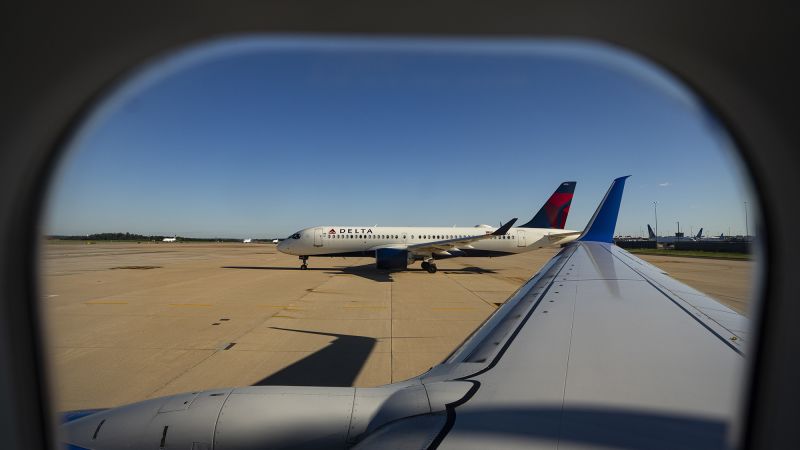
Healfromzero.com – Delta Air Lines is preparing for a holiday season in which travelers continue paying more to fly, even as the carrier absorbs a steep rise in jet fuel expenses. The company’s third-quarter results point to resilient demand, especially among customers choosing upgraded cabins and other premium seating options.
Fuel costs climbed 60% from the same quarter a year earlier, adding $1.6 billion to Delta’s expenses. For airlines, fuel is typically the second-largest operating cost after employee compensation, making the increase a significant test of pricing power and customer demand.
Even so, the airline said average fares paid by passengers rose roughly 15%. That increase helped Delta deliver a 2% gain in adjusted net income despite the much larger fuel bill. The results illustrate how limited seat availability and continued interest in air travel have allowed airlines to maintain higher prices.
“To not to dent those profits, to me is incredible,” CEO Ed Bastian said in a CNBC interview after the company released its third-quarter figures.
Bastian contrasted the current period with earlier industry downturns, when a comparable surge in fuel prices could have put much greater pressure on airline earnings. He said Delta has not detected a meaningful weakening in its customer base as fares rise.
“We’re not seeing any slowdown at all. Our consumer is resilient,” Bastian said. “The fares will be a function of what the market bears.”
Premium cabins remain an important growth driver
Delta’s confidence is closely tied to demand for higher-priced seats. Revenue from premium products increased 18%, covering choices ranging from Comfort Plus and Premium Select to first-class and business-class cabins. Those offerings can generate more revenue per passenger than standard economy tickets and have become increasingly important to the airline’s strategy.
Bastian said the company’s core customers are largely households in the top 40% of income levels. For many of those travelers, flying remains a priority even when prices increase, particularly for vacation trips and holiday travel. Delta is adding premium inventory where it can, and the airline says those seats are selling strongly.
“Their priority is to travel,” Bastian said. “So, from our standpoint, we the more premium we have, the more we’re selling out.”
Higher costs alone do not guarantee that airlines can charge more. Carriers can raise fares only when enough passengers are still willing to buy tickets. When demand is weaker, airlines often have to discount seats or accept lower margins. In the current environment, however, strong demand and restrained capacity have supported elevated pricing.
Capacity discipline helps keep planes full
Airlines also respond to higher fuel prices by reconsidering flights with thin profit margins. Reducing or limiting schedules can prevent carriers from operating routes that no longer make economic sense after fuel costs rise. It can also leave fewer available seats in the market, adding pressure to ticket prices when travelers continue booking trips.
During the summer quarter that has just ended, Delta’s number of available seats was essentially flat compared with a year earlier. With capacity little changed and travel demand holding firm, 86% of the airline’s available seats were occupied during the period. That high load factor contributed to the company’s ability to sustain fares at higher levels.
For travelers, the combination of strong demand and limited seat growth means waiting for last-minute bargains may be especially risky around major holiday periods. Booking earlier can provide more choices in flight times and cabin types, though it does not necessarily mean prices will return to levels seen before the recent run-up in airfare.
Holiday bookings are arriving earlier and costing more
The outlook for Thanksgiving and Christmas reinforces Delta’s view that travel demand remains durable. Hayley Berg, lead economist at travel site Hopper, said passengers are reserving holiday trips earlier than they did in prior years, while paying notably more for tickets.
“Thanksgiving already averaging $400 a ticket, up 31% year over year,” Berg said before Delta released its results. “Christmas, which is always about $50 more expensive than Thanksgiving, about $450, up 23% year over year.”
Thanksgiving fares averaging $400 and Christmas tickets averaging about $450 underscore the premium attached to peak travel dates. Holiday schedules concentrate demand into a limited number of days, especially for nonstop routes and convenient departure times. Travelers with flexibility may still find more options by considering alternate airports, less popular travel days, or connecting itineraries, but the broader pricing trend remains upward.
Earlier in the year, jet fuel prices fell sharply after reaching an April high associated with the start of the war in Iran and the resulting increase in energy costs. Delta and other carriers did not respond by broadly cutting fares. Fuel prices have since begun rising again, and Bastian expects elevated fuel expenses to continue through the fourth quarter.
Delta’s quarterly earnings came in slightly below Wall Street expectations, and the company reduced its outlook for the remainder of the year. Its shares, along with those of nearly all major US airline peers, edged lower in premarket trading. Still, the airline’s assessment of continued demand suggests that travel pricing and premium-cabin performance will remain central factors through the end of the year and into next year.
Related Reading
Frequently Asked Questions
What is Delta expects higher fares and strong?
Delta expects higher fares and strong is the main topic of this guide. The article explains the context, practical details, and next steps readers should understand.
Why does Delta expects higher fares and strong matter?
Delta expects higher fares and strong matters because readers are looking for a useful answer, not just a short summary. Good content should match search intent and help them decide what to do next.