First on CNN: Cornell faculty prepare no-confidence vote against administration over handling of alleged sexual assault case

First on CNN: Cornell Faculty Weigh No-Confidence Vote
Healfromzero.com – First on CNN: Cornell University faculty are preparing to consider a no-confidence resolution over the administration’s response to allegations of a 2024 gang rape on campus. The proposed vote comes as students, alumni and staff press university leaders for greater accountability and clearer answers.
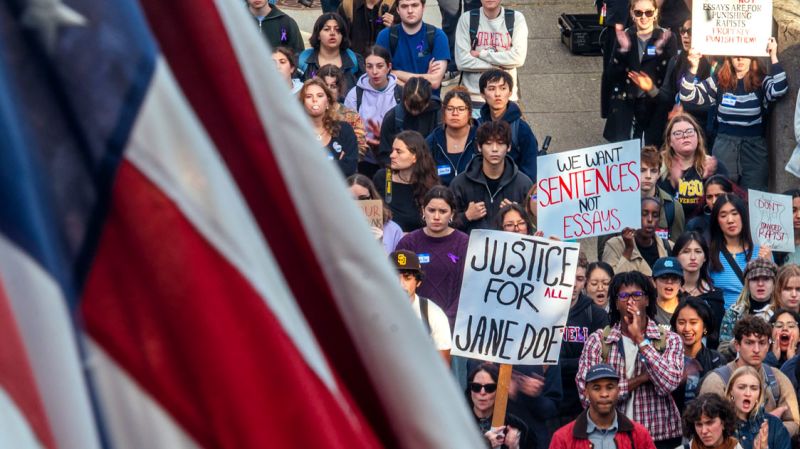
The dispute has intensified across the Cornell community, with demonstrations and calls for institutional change focused on the response received by the woman identified in court records as Jane Doe. Hundreds of people attended a rally Monday night, where protesters criticized university leadership and demanded action.
Demonstrators shouted “shame” and “resign” at officials associated with Cornell’s initial handling of Doe’s 2024 report to campus police. Flyers shared on social media also promoted a seven-hour sit-in planned for Wednesday in support of Jane Doe.
Faculty Senate Resolution Moves Forward
First on CNN reporting shows that Paul Ortiz, a Cornell labor history professor and Faculty Senate member, submitted the proposed no-confidence resolution to a university faculty committee Monday evening. The committee is expected to review it before the measure can be added to the agenda for the full Faculty Senate meeting on October 14.
A no-confidence vote would not automatically remove Cornell administrators from their positions. But it would formally signal that the faculty body no longer trusts the administration’s leadership, adding pressure for explanations, policy changes or further action.
“The faculty have been approached by hundreds of students, alumni, staff who are demanding that we do something,” Ortiz said.
The developing faculty action reflects broader concerns about how Cornell’s reporting, investigative and disciplinary systems respond to allegations of sexual violence. For many in the campus community, the central question is whether those systems adequately supported the person who came forward.
Lawsuit Challenges Cornell’s Response
Doe filed a lawsuit last month against Cornell, the Chi Phi fraternity, seven fraternity members and other defendants. The lawsuit alleges that the university failed to protect her and did not impose sufficient discipline on accused students.
The case has raised questions about several parts of the response, including the campus police investigation, the county district attorney’s decision not to pursue criminal charges, and Cornell’s internal inquiry and actions. Those processes operate under different standards, but critics have argued that the university should have acted with more urgency, transparency and care.
First on CNN coverage of the proposed vote highlights how the controversy has become a test of shared governance at Cornell. While faculty bodies do not control every university decision, a no-confidence resolution can publicly challenge senior leadership and call for a meaningful response.
President Backs External Reviews
Cornell President Michael Kotlikoff issued a video statement days before the resolution was introduced, saying the allegations described by Doe raised serious concerns for the campus community.
“Heartbreaking and troubling issues about sexual assault, dehumanization, and aspects of party culture, alcohol, and drug use.”
Kotlikoff said he supports the governor’s decision to move the criminal investigation to the New York Attorney General. He also welcomed an independent review by an outside law firm into Cornell’s handling of the 2024 matter.
Those outside reviews may determine the next stage of the controversy. State-level oversight could reassess the criminal investigation, while the law firm review may examine Cornell’s institutional response and recommend changes to university procedures.
FAQ: What Happens Next at Cornell?
When could Cornell faculty vote on the resolution? The faculty committee is expected to review the proposal before it can be considered at the full Faculty Senate meeting scheduled for October 14.
Would a no-confidence vote remove Cornell leaders? No. A no-confidence vote is not an automatic removal mechanism, but it is a significant public statement that can increase pressure on university leaders to respond.
Who is reviewing the case? The criminal investigation has been transferred to the New York Attorney General, and Cornell’s handling of the matter is also expected to be examined by an outside law firm.
As First on CNN reported, the proposed faculty resolution adds a new layer of scrutiny to Cornell’s response. The committee review, Faculty Senate deliberations and outside investigations will shape what accountability looks like for the university and its community.