Mood at Cornell University darkens amid mounting pressure on investigators of alleged sex assault

Daftar Isi
Cornell Community Faces Fear and Demands for Accountability
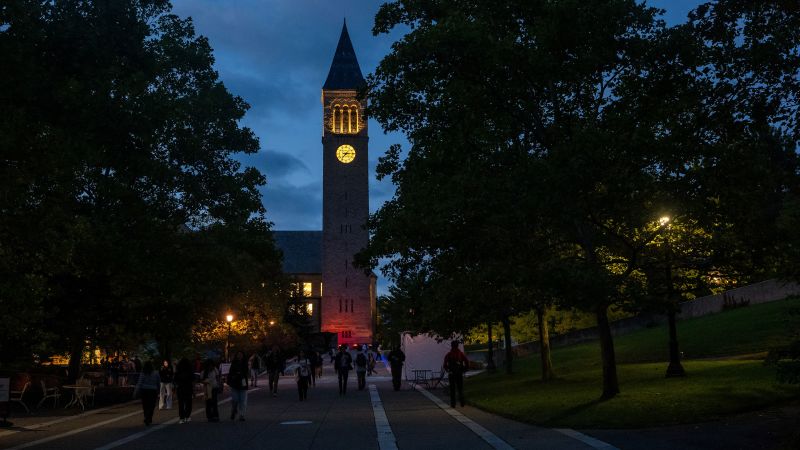
Healfromzero.com – The mood at Cornell University darkens as students, staff and local residents confront allegations in a lawsuit filed by a former student identified as Jane Doe. The lawsuit alleges she was gang raped at a fraternity house in October 2024, and the case has intensified concern about campus safety, transparency and the response from institutions charged with investigating sexual violence.
A banner at student co-op housing captured the anger felt across parts of the Ithaca campus: “Protect students, not rapists. Admin resign.” The message emerged as scrutiny grew over the initial investigation, which concluded without criminal charges, and over the actions of both Cornell officials and the district attorney’s office.
Students Describe a Changed Campus Atmosphere
For freshman Alexandra Pogyo Samaniego, the allegations have altered the experience of attending a university she had hoped to join for years. Her older sister studied at Cornell, but the excitement of her first months on campus has, she said, given way to disappointment, anxiety and unease.
Pogyo Samaniego said the case is often on her mind when she wakes up and that her anxiety has at times caused her to miss class. Outside Willard Straight Hall, she described grief for Doe and fears shared by students who wonder whether they or their friends could be at risk.
“It’s this really deep sorrow at the fact that this could have happened to Jane Doe, but also this could happen to anybody on campus. It could happen to your female friends, it could happen to your male friends, it also could very much be you.”
Willard Straight Hall has long been associated with campus activism, including its 1969 occupation during protests over racial injustice. In the current moment, some students see it as a reminder that demands for change often grow when community members believe institutional responses have fallen short.
Conversations About Safety and Support
The mood at Cornell University darkens not only in public demonstrations but also in everyday conversations. At Collegetown Bagels, freshman Jonah Van der Linden said discussions that once focused on coursework and weekend plans now frequently turn to the allegations, consent, personal safety and how students can support survivors.
Van der Linden said he has tried to respond by speaking with the president of a Cornell sorority about support for chapter members, writing for the student-run Collegetown Magazine about healing, and talking with men in his life about consent. He said friendship and attentive support can be particularly important for survivors and for women who feel unsafe.
“You need to talk to your friends and spend time with your friends and put effort into your friendships, especially people who are survivors, and especially women feeling unsafe.”
For many students, the case has changed how they think about ordinary campus settings, social gatherings and the responsibilities of peers. Those concerns extend beyond a single investigation, raising broader questions about prevention, reporting, communication and trust.
Cornell Leadership Calls the Moment Consequential
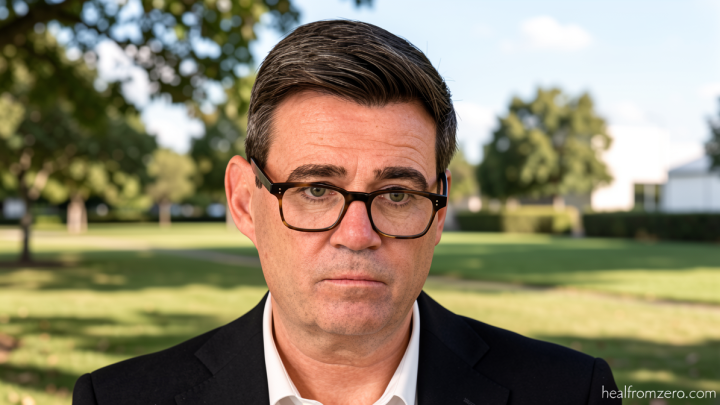
In his first public comments since the lawsuit was filed, Cornell President Michael Kotlikoff called Doe’s allegations “deeply disturbing.” He described the situation as a consequential moment for the university and said Cornell must improve its work to prevent future sexual violence within the community.
“This is a defining moment in Cornell’s history.”
Kotlikoff said the university does not have every answer and must “do better.” He also welcomed an independent review by an outside law firm into Cornell’s initial handling of the case, with details expected to be announced the following week.
As the mood at Cornell University darkens, students and advocates are likely to focus on the scope of that review, the transparency of its findings and whether any recommendations lead to lasting changes. The questions facing Cornell involve both the immediate allegations and the confidence students place in the systems intended to protect them.
Cornell Campus Safety FAQ
What concerns are students raising?
Students have expressed concern about the allegations in the lawsuit, the absence of criminal charges after the initial investigation, campus safety and the degree of transparency from Cornell and other authorities.
What has Cornell said about the case?
President Michael Kotlikoff called the allegations deeply disturbing, said Cornell needs to do better in preventing sexual violence and welcomed an outside law firm’s independent review of the university’s initial handling of the matter.
How are students responding?
Students have organized conversations, expressed support for survivors, discussed consent and called for accountability. Some have also described heightened anxiety and a changed sense of safety in campus life.
Related Reading
Frequently Asked Questions
What is Mood at Cornell University darkens amid?
Mood at Cornell University darkens amid is the main topic of this guide. The article explains the context, practical details, and next steps readers should understand.
Why does Mood at Cornell University darkens amid matter?
Mood at Cornell University darkens amid matters because readers are looking for a useful answer, not just a short summary. Good content should match search intent and help them decide what to do next.