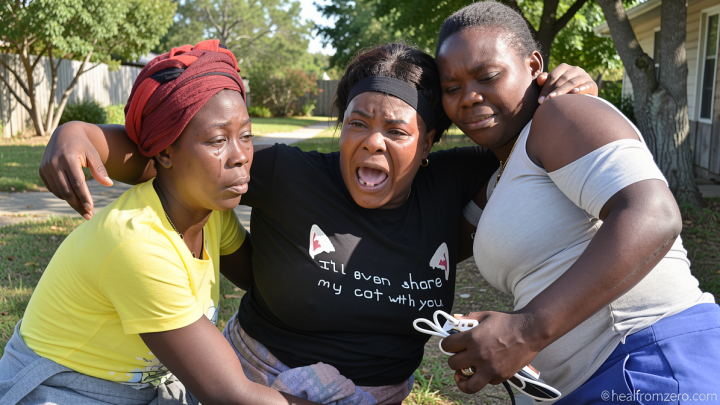
The Trump administration said it would prioritize ending mother-to-child HIV transmission. Health workers say it cut services

Daftar Isi
HIV Care Disruptions Threaten Mothers and Babies in Tanzania
Healfromzero.com – The Trump administration said it would prioritize ending mother-to-child HIV transmission, but health workers in Tanzania say cuts and disruptions to US-funded services have weakened the systems that protect pregnant women, infants and children. Although some funding has resumed, providers say essential HIV care remains uneven.
In January 2025, pediatrician Dr. Theopista Masenge was working at a hospital in Mbeya, Tanzania, helping introduce treatment for children with high HIV viral loads. Her program, which supported HIV-exposed babies, children and pregnant women, was told to stop immediately.
“It was really, very abrupt, and I recall even the hospital managers were running up and down like, ‘What are we going to do?’”
Masenge lost her job shortly afterward. She said the suspension disrupted a system that had been developed over nearly four decades to help families access testing, treatment and follow-up care.
Prevention Programs Were Affected Despite Assurances
The Trump administration said it would protect programs aimed at preventing HIV transmission from mothers to babies. However, a July study by amfAR and Johns Hopkins University found widespread disruption among organizations funded through PEPFAR, the President’s Emergency Plan for AIDS Relief.
The study surveyed 166 organizations working in 46 countries that received PEPFAR funding in 2024. They represented 23% of PEPFAR partner groups. Nearly two-thirds of respondents, or 63%, said services intended to prevent mother-to-child HIV transmission were affected by funding disruptions. Twenty-two percent said they had ended those services entirely.
Providers say individual HIV programs cannot always be protected when the broader care network is reduced. Maternal and child HIV prevention relies on trained workers, laboratories, patient records, medicine collection, outreach and regular appointments.
“Even if the administration’s intention was to not touch these programs, PEPFAR awards generally aren’t sort of specific to doing one individual task,” said Elise Lankiewicz, a senior policy associate at amfAR. “There was really no way to protect very singular parts of the system while dismantling others.”
Clinic Closures Can Interrupt HIV Follow-Up
Surveyed organizations reported that 1,714 health clinics that had received PEPFAR support closed worldwide during 2025. For patients, closures can mean longer travel, missed appointments and less reliable access to treatment.
Masenge, now president of the Paediatric Association of Tanzania, said her greatest concern is the continuity and quality of care for mothers and children. She said some patients have stopped returning to facilities for medicine because they believe services have worsened.
“I’m not so worried in terms of supplies and medications, but I’m super worried about the quality of care for the children, for the mothers.”
She also warned that early infant diagnosis has suffered. Delays in identifying HIV in infants can delay treatment and monitoring at a critical stage of a child’s health.
PEPFAR’s Role Is Being Reshaped
PEPFAR was created in 2003 under President George W. Bush. It has been credited with saving more than 26 million lives and preventing millions of HIV infections, with much of its work focused in Africa.
The Trump administration said it would pursue a new approach to global health funding while reducing funding and dismantling the US Agency for International Development. The administration’s strategy emphasizes agreements with recipient countries and greater financial participation by national governments.
A State Department spokesperson challenged the methodology of the amfAR study, calling it flawed. But health workers say the practical effects of interrupted support are visible in clinics serving pregnant women, babies and children.
FAQ: HIV Care for Mothers and Babies in Tanzania
Why is early infant HIV testing important?
Early testing helps health workers identify HIV in infants and begin treatment and monitoring as soon as possible. Delays can make it harder to provide timely care.
What services help prevent mother-to-child HIV transmission?
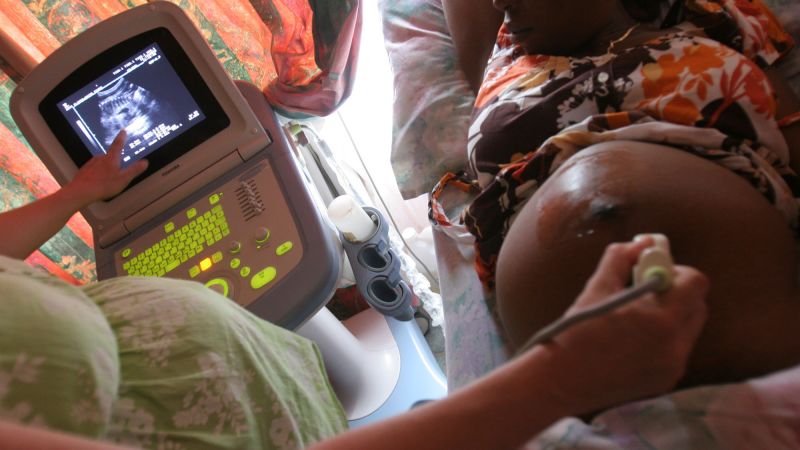
Prevention can include HIV testing during pregnancy, treatment for mothers living with HIV, infant testing after birth, medicine collection and continued follow-up for families.
What should families do if a local clinic closes or services change?
Families should ask the clinic where HIV treatment, medicine collection and infant testing have been moved, and seek care as soon as possible to avoid interruptions in appointments or treatment.