What’s behind the rise of the fake tourist attraction?

Daftar Isi
When the Destination Is More Fiction Than History
Healfromzero.com – Travelers increasingly face a question that sounds simple but is becoming harder to answer: is the attraction they are visiting actually what it claims to be? From fabricated ruins and deliberately recreated villages to false digital listings, the line between heritage, entertainment and invention can blur quickly.
Some visitors are perfectly happy with an experience designed for atmosphere, photographs or convenience. Others expect historic sites and natural landmarks to be genuine, especially when they pay an admission fee or plan an entire journey around them. The distinction matters because an appealing story can turn into a costly disappointment when the details are not truthful.
A Greek-Style Ruin That Wasn’t Ancient
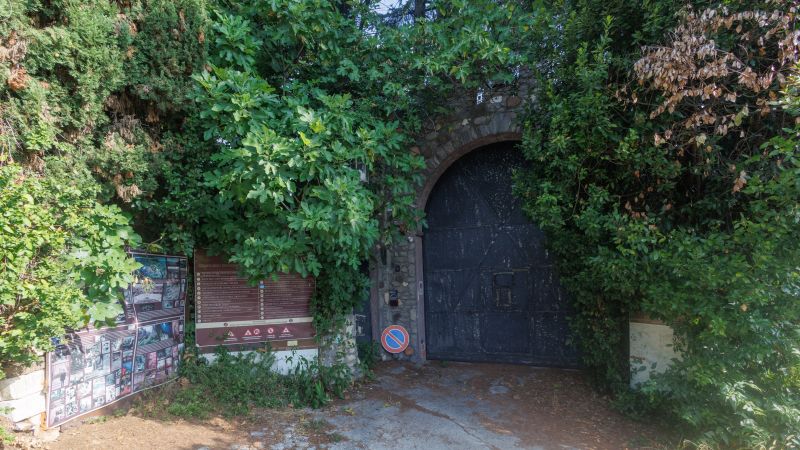
In northern Italy, Franco Malosso created what appeared to be a historic Greek amphitheater. The site included sculpted columns, a lake and a collection of glowing five-star TripAdvisor reviews. It covered 54,000 square feet and attracted paying visitors, who were charged $46 for entry.
Yet the supposed ancient landmark was not ancient at all. The structure used materials including Styrofoam, and Malosso spent more than a decade leading tours through the attraction. He was later arrested and charged with forgery, among other offenses.
The story told at the site also reached into literary fantasy. Juliet Capulet was presented as one of the notable figures connected to the amphitheater. Juliet, of course, is the fictional young heroine of William Shakespeare’s “Romeo and Juliet.”
Her popularity illustrates why authenticity can be complicated in tourism. Verona, located nearby, has long embraced its association with Shakespeare’s imagined character. Juliet’s House, including a balcony inspired by the play, remains one of the city’s best-known stops despite the fictional foundation of the story.
For many visitors, the value of a place is not limited to whether every detail is historically literal. A convincing setting, cultural story or recognizable image can still create a memorable outing. Problems arise when a destination is marketed as authentic history or nature without making its constructed origins clear.
Built for the Camera, Close to the City
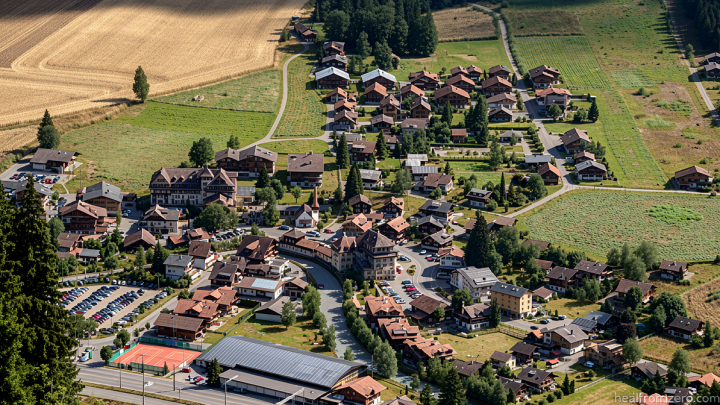
China offers another version of the phenomenon through some “fanggu,” or faux historical villages. Rather than concealing their role as newly built environments, these developments can attract travelers specifically because of the visual effect they offer. Traditional-looking streets and buildings provide an appealing backdrop for social media photographs.
Location is also part of their appeal. Sites near major cities can be far more practical than a long trip to a remote historic area, especially for people traveling on a short schedule. The convenience of a curated setting may outweigh the desire to visit an original, older place.
That shift does not mean historic preservation has lost its value. Instead, it shows how travel decisions can be shaped by time, transport, visual appeal and expectations. Visitors may seek a recreation knowingly, but they deserve enough information to understand whether they are entering a preserved historic site, a modern interpretation or a theme-oriented attraction.
When Artificial Intelligence Creates a Destination
Not every misleading attraction begins with a person building columns or designing a picturesque village. Digital errors can be just as influential. Last year, travelers began seeking natural hot springs on Tasmania, Australia, after the destination appeared on a travel website.
There was one major flaw: the hot springs did not exist. The listing was an artificial intelligence “hallucination,” demonstrating how unreliable information can move rapidly from a digital tool into real-world travel plans.
For travelers, this is a reminder to verify unusual attractions before booking transport or accommodation. Checking official park information, local tourism listings, maps and recent visitor details can help separate a real location from an invented one. The issue is particularly important in remote areas, where a detour can consume a full day and leave visitors without alternative plans.
The Growing Value of Quiet
Authenticity is only one concern shaping modern travel. Peace and quiet have become a luxury in their own right. Comfortable mattresses and dramatic bathrooms remain part of hotel marketing, but many guests are willing to spend more for a chance to escape noise and interruption.
Indonesia’s Bawah Reserve offers an extreme version of that retreat. Set on a private island in the South China Sea, it promises an environment where a sea turtle may be more likely to become a neighbor than another person.
Achieving calm is much harder for hotels in large cities. Noise is among the most common complaints from guests, yet many causes sit outside a property’s control. Traffic, construction and the ordinary movement of an active city can reach rooms despite efforts to limit disruption. Inside the hotel, loud fellow guests can present an equally difficult challenge.
The popularity of sleep tourism has encouraged accommodations to treat rest as a core part of the stay rather than a basic expectation. Sound management, thoughtful room placement and quieter environments can be as important to a guest’s experience as design or dining.
The People Behind America’s Motels
Hospitality is also shaped by people whose work often happens outside the guest’s view. Concierges, bellhops and front-desk teams are visible parts of hotel life, but ownership stories can reveal how entire sectors developed.
“The Patel Motel Story” focuses on Indian immigrants from Gujarat who share the surname Patel and built livelihoods by opening motels across the United States. Their influence grew to the point that they and their descendants now control 60% of the motel industry.
The documentary traces how a community of immigrants pursued the American dream through a demanding business that required long hours, family participation and a willingness to take risks on modest properties. Their experience is a reminder that the places travelers use as overnight stops often carry much larger stories of migration, entrepreneurship and persistence.
Seoul’s New Coolest-Neighbor Status
Choosing where to stay can shape an entire trip. Travelers weighing a hotel, an Airbnb or a friend’s sofa often think as much about the neighborhood as the room itself. The immediate surroundings affect food options, transport, atmosphere and how easily a visitor can experience daily city life.
Jongno 3-Ga in Seoul has been named the world’s coolest neighborhood this year by Time Out. Its appeal includes small shops, cafés and scenery well suited to photographs, while its setting also gives visitors a way to experience a distinctive part of South Korea’s capital.
Other neighborhoods recognized in the global selection are found in Bogotá, Glasgow, Mumbai and Los Angeles. The list reflects a broader travel preference for places with personality: areas where independent businesses, local rhythms and visually engaging streets matter as much as famous landmarks.
South Korea has offered travelers far more than Seoul’s contemporary style. The country’s food, city energy and traditions have drawn global attention, while Mongolia, another destination in the region, offers its own distinctive cultural experience through practices such as throat singing alongside its widely known desert landscapes.
Whether travelers are chasing a quiet island, a fashionable urban district, a family-run motel or an ancient-looking attraction, the most satisfying trips begin with clear expectations. A constructed experience can still be enjoyable. But when history, nature or local culture is part of the promise, honesty about what is real remains essential.
Related Reading
Frequently Asked Questions
What is What s behind the rise?
What s behind the rise is the main topic of this guide. The article explains the context, practical details, and next steps readers should understand.
Why does What s behind the rise matter?
What s behind the rise matters because readers are looking for a useful answer, not just a short summary. Good content should match search intent and help them decide what to do next.