Vulnerable Republicans are increasingly defying President Trump ahead of the midterms

Daftar Isi
Vulnerable Republicans Are Increasingly Defying Trump
Healfromzero.com – Vulnerable Republicans are increasingly defying President Donald Trump as the midterm elections approach, seeking to show voters that they can respond to local concerns even when those positions differ from the White House. In competitive races across Iowa, Wisconsin, Arizona, Texas and South Florida, disagreements have emerged over war policy, immigration, affordability, trade and environmental issues.
The strategy reflects a difficult balancing act. Trump remains a powerful figure within the Republican Party, but candidates facing close contests must also appeal to independents and voters focused on the economic and practical effects of federal policy in their own communities.
Iowa Lawmakers Break With Trump on Iran
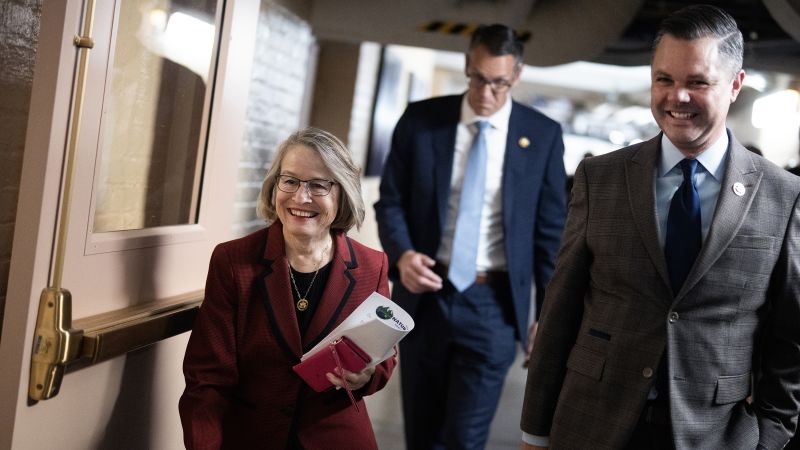
Two Iowa House Republicans, Zach Nunn and Mariannette Miller-Meeks, voted to restrict Trump’s authority over the war in Iran. They joined five other Republicans in supporting the war powers resolution, the largest Republican vote for the measure so far.
Neither lawmaker publicly named Trump after Tuesday’s vote, but both argued against keeping American troops in a conflict without a defined conclusion. Miller-Meeks pointed to the impact on military families and consumers.
“I would not vote to keep our soldiers in an open-ended war, with Iowans paying too much at the pump.”
She also described the decision as a matter of principle, saying, “I think when you do things out of principle, the president certainly understand that.” Trump had not publicly criticized Nunn or Miller-Meeks after their votes.
Immigration and Affordability Shape Competitive Races
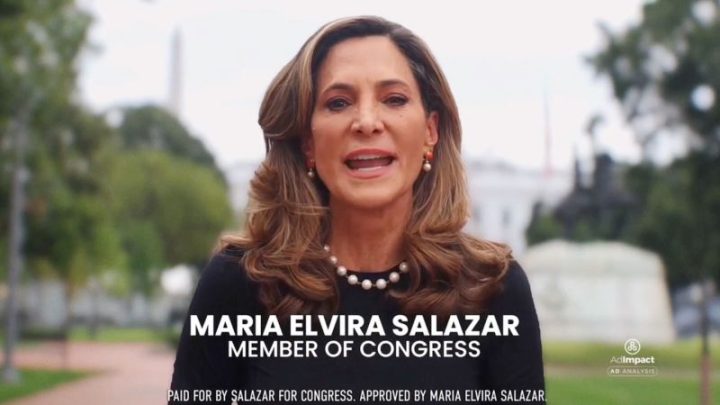
In South Florida, Rep. Maria Elvira Salazar released an ad arguing that Trump’s immigration enforcement campaign had gone too far. Trump said Friday that he still supported her reelection, while making clear that he did not share her view.
“She got a little bit soft on the border – I understand that, I understand that – but I just don’t happen to be there.”
For vulnerable Republicans increasingly defying Trump, immigration can be especially delicate. The issue is central to the president and many conservative voters, yet candidates in diverse or closely divided districts may stress enforcement limits and the concerns raised by constituents.
Affordability has become another source of separation. Trump has called worries about affordability a “hoax,” while Republicans in difficult races are emphasizing household expenses and the cost of everyday life. Their message is aimed at voters who see prices as an immediate concern regardless of how party leaders characterize the issue.
Trade Disputes Bring Local Economic Pressure
Trade policy has also prompted objections from Republicans representing agricultural areas. Several lawmakers raised concerns after Trump paused tariffs involving foreign beef, while others questioned the growing trade conflict with Canada. Agricultural markets, cross-border commerce and consumer prices carry particular weight in these districts.
Republican operatives say the party and the White House appear more willing to let endangered candidates tailor their campaigns than during Trump’s first administration. One operative said Trump recognizes that winning competitive races may require members to have more flexibility.
“I think he recognizes he needs to win and to do that he needs to give some more flexibility to our members.”
There has been no formal instruction allowing candidates to break with Trump, according to another Republican operative involved in a competitive statewide contest. But the practical message was summarized simply: “Do what you gotta do.”
FAQ: What This Means for Midterm Voters
Why are Republicans distancing themselves from Trump?
Some Republicans are trying to address district-specific concerns, including military involvement, immigration enforcement, trade and household costs. Their approach is designed to retain Republican support while appealing to voters who may not agree with Trump on every issue.
Does disagreement mean these candidates oppose Trump overall?
Not necessarily. Vulnerable Republicans are increasingly defying Trump on selected policies while continuing to seek support from Republican voters and party leaders. The disagreements reflect the demands of competitive races rather than a uniform break with the president.
What issues may matter most in these races?
Voters are likely to hear competing arguments about affordability, immigration, military action and trade. The importance of each issue will vary by district, particularly where agricultural production, cross-border business or diverse communities are central to the local economy.