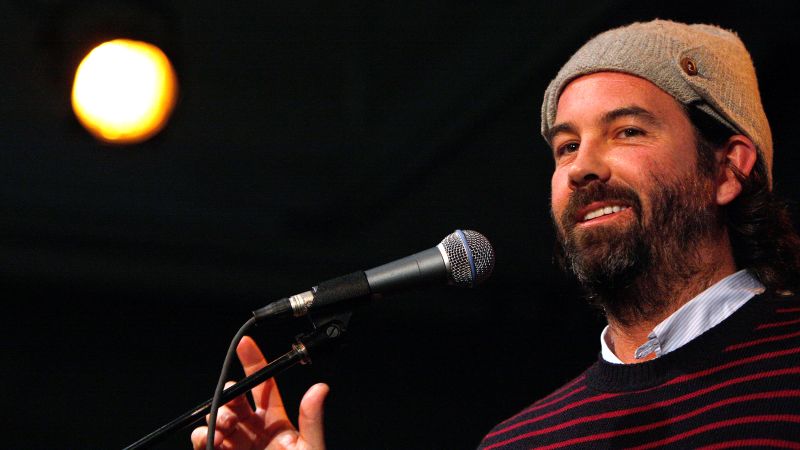
Duncan Sheik, Tony- and Grammy-winning ‘Spring Awakening’ composer and pop star, dies at 56

Daftar Isi
Duncan Sheik, composer of “Spring Awakening” and singer behind “Barely Breathing,” dies at 56
Healfromzero.com – Duncan Sheik, the acclaimed musician whose work connected alternative pop with Broadway, has died at age 56. An announcement shared on his Instagram page said he died Thursday night and remembered him as an influential artist whose music for both recordings and theater will continue to reach future audiences.
Sheik earned Tony and Grammy honors for his score for “Spring Awakening,” the landmark Broadway musical that brought contemporary rock-inflected music to a story set in 19th-century Germany. Before his theater career, he was widely known as the singer-songwriter behind “Barely Breathing,” a radio staple that remained on the Billboard Hot 100 for 55 weeks and reached No. 16.
His career reflected a willingness to move between musical worlds. Sheik made pop records, wrote music for ambitious stage productions and pursued material that challenged conventional expectations of what a Broadway score could sound like.
Transforming “Spring Awakening” for Broadway
“Spring Awakening” became Sheik’s defining theatrical achievement. Adapted from Frank Wedekind’s 19th-century play, the musical paired Sheik’s music with lyrics by playwright Steven Sater. It opened on Broadway in 2006 and ultimately played more than 860 performances.
The story confronts difficult subjects including incest, abortion and suicide, while also examining the consequences of leaving young people without accurate information about sex. Its approach to teenage fear, desire and isolation gave the show a distinctive place among modern musicals.
Sheik and Sater were both practicing Buddhists who first connected while chanting. Their partnership began during work on Sheik’s third album, “Phantom Moon,” when Sater raised the possibility of developing a new stage production. Neither writer had previously created a musical.
I said to Steven, “I’m happy to do this musical, but I only want to do it if the music in the play is the kind that I and my peers can get behind stylistically and relate to and enjoy.”
They decided to preserve the original German setting while allowing the characters’ songs to shift into contemporary pop expression. The result combined period costumes and themes with a sound that felt closer to rock and alternative music than to traditional Broadway writing.
Sheik described the creative team as outsiders eager to bring a different energy to the stage.
With the exception of our director, we are all kind of Broadway outsiders. We wanted to shake things up a bit. And we just set out to make this really cool piece of theater.
The production won eight Tony Awards, including best musical, and received the Grammy Award for best musical show album. Its original cast introduced or elevated performers including Jonathan Groff, Lea Michele, Lilli Cooper, Jennifer Damiano, Gideon Glick, John Gallagher Jr., Lauren Pritchard and Krysta Rodriguez. Groff later won a Tony Award for “Merrily We Roll Along,” while Michele gained wide recognition through “Glee.”
For many theater fans, “Spring Awakening” stands alongside shows such as “Rent” and “Hamilton” as a production that broadened ideas about the form’s sound, staging and subject matter. A Deaf West Theatre revival returned the musical to Broadway in 2015 to strong reception, and an off-Broadway production is scheduled to open this fall.
A pop sensibility on the stage
Sheik openly articulated his desire to make theater responsive to contemporary listening habits. While expressing admiration for established musical-theater composers, he believed the stage should remain connected to the sounds shaping the larger music culture.
I don’t mean to be disrespectful to more traditional theater composers. I love Stephen Sondheim. But it’s my mission to make sure that the theater is paying attention to what the rest of the world is listening to.
That aim was evident in the score for “Spring Awakening,” which used spare arrangements and emotionally expansive choruses to capture the characters’ longing, exhilaration and dread. The music helped make the show accessible to audiences who might not have viewed Broadway as a natural home for their tastes.
Sheik later brought another sharply defined musical era to the stage in “American Psycho,” a Broadway adaptation of Bret Easton Ellis’ 1991 novel. The story follows Patrick Bateman, a wealthy New York professional consumed by luxury clothing, grooming products and status while carrying out brutal violence across Manhattan. The novel was adapted into a 2000 film starring Christian Bale.
For the stage version, Sheik drew from the fashionable club culture of late-1980s Manhattan, imagining the sounds that might have filtered beyond velvet ropes during that period. He wrote both music and lyrics for the production. As a Brown University student, he had read only half of Ellis’ novel before throwing it across the room.
One notable song, “You Are What You Wear,” emerged from conversations with former girlfriends about late-1980s fashion. The lyrics reference designers including Chanel, Gaultier, Giorgio Armani, Moschino, Alaïa, Norma Kamali, Betsey Johnson and Comme des Garçons, turning style obsession into a defining element of the musical’s world.
Sheik also worked on a musical adaptation of “Alice in Wonderland,” adding another literary transformation to a body of work marked by curiosity and range. Whether writing a durable pop hit or building a score for characters caught between innocence and experience, he pursued a direct emotional connection through music.
His legacy rests not only in awards and long-running productions, but in the space his work helped create for newer theatrical voices. “Spring Awakening” demonstrated that pop-conscious songwriting could carry serious dramatic material on Broadway, and that a musical could speak candidly about adolescence without softening its most painful realities.
Related Reading
Frequently Asked Questions
What is Duncan Sheik Tony and Grammy winning?
Duncan Sheik Tony and Grammy winning is the main topic of this guide. The article explains the context, practical details, and next steps readers should understand.
Why does Duncan Sheik Tony and Grammy winning matter?
Duncan Sheik Tony and Grammy winning matters because readers are looking for a useful answer, not just a short summary. Good content should match search intent and help them decide what to do next.