Voters hate data centers. Candidates from both parties are scrambling to respond

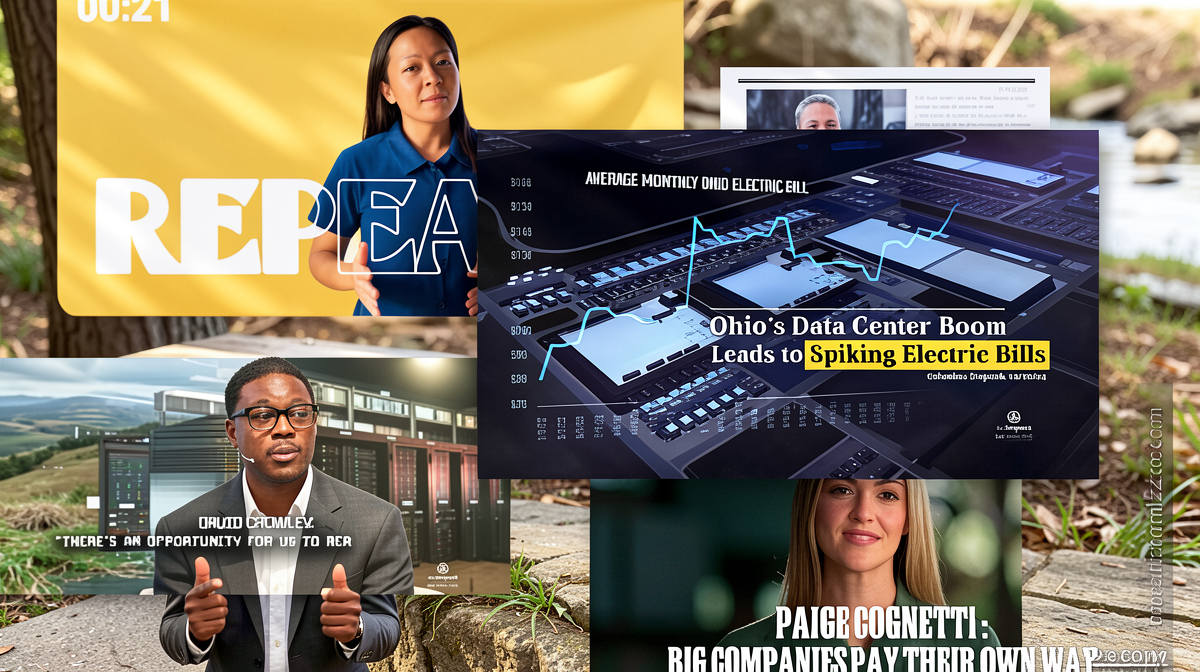
Voters Hate Data Centers: Candidates Scramble
Healfromzero.com – The political reaction to AI infrastructure has moved from the margins to the center of American elections. Voters hate data centers, and candidates from both parties are scrambling to respond with opposition messaging that has become nearly universal across the ballot. AdImpact tracking data shows more than $31 million in broadcast political advertising has referenced data centers this year, with last month’s spots alone consuming over 8% of all television campaign dollars. A year earlier, that share sat below 1%.
The alignment is almost total. Of every dollar tied to data-center or AI-infrastructure advertising this cycle, more than 99% funds spots opposing new construction or expansion. Outside groups and party candidates alike treat the issue as a rare bipartisan wedge that transcends traditional ideological lines.
Down-Ballot Fights With National Echo
The backlash is most acute in local and state races where voters feel the consequences directly. In Michigan, a congressional candidate filmed a spot standing in a farm field, warning that the land could soon give way to what he called:
“a massive data center that’ll jack up our energy bills and ruin our home values.”
In a suburban Missouri county, both leading Republican contenders for the executive seat devoted their entire television ad budgets to opposing data-center construction, each accusing the other of being captured by developers. In Wisconsin and California, two candidates who share the same first name have both been branded “Data Center David” in recent attack ads.
Daniel King, a research fellow at the Foundation for American Innovation, described the dynamic plainly:
“Data centers have picked up a unique bipartisan opposition in large part because they are so local as an issue. Regardless of where party lines fall at the national level or on larger issues, both sides have been able to really pick up the spike.”
Industry’s Quiet Counterplay
Federal election records show that interest groups tied to the AI sector have poured millions into key races in response to the advertising onslaught. Yet a review of those industry-funded spots reveals they almost never mention AI or data centers by name. One major super PAC, funded in part by an OpenAI executive, bought millions of dollars in broadcast advertising this year without a single spot referencing the technology or its infrastructure. The strategy suggests backers prefer general pro-business messaging over direct engagement with the specific grievance voters have latched onto.
From Blank Space to Center Stage
Until recently, data-center construction occupied no political space at all. AdImpact’s database records zero broadcast election ads mentioning data centers in all of 2024, and through most of 2025 only a handful appeared, concentrated in lower-profile state races. Over the past year, however, sentiment shifted sharply, propelled by skepticism toward the industry, anxieties over property rights, environmental externalities, and above all the visible spike in utility bills.
The physical reality behind the anger is substantial. Computing chips that run AI workloads draw far more power than earlier hardware generations. A Goldman Sachs analysis projected a 6% increase in national electricity costs over the coming year, with the steepest jumps falling on households near new facilities. Cleanview, a tracking firm, counts more than 2,000 data centers currently in various planning stages, representing hundreds of billions of dollars in planned capital expenditure by major technology companies.
What the Polling Shows
Survey data underscores the depth of the backlash. A July poll found 70% of voters oppose constructing data centers in their own neighborhoods to support AI. A separate June Reuters/Ipsos survey showed 59% of adults would resist a facility within ten miles of their home. Pew Research, in a survey released this month, reported that 52% of Americans describe themselves as more concerned than excited about growing AI use in daily life, up from 37% in 2021, with a large majority expecting the technology to reduce available jobs.
Clifford Young, chair of Ipsos Public Affairs, offered a blunt reading of the political landscape:
“It isn’t intrinsically a right or left issue. It’s a boogeyman for every community that sees a utility truck rolling down the road.”
Frequently Asked Questions
Why are voters suddenly angry about data centers?
The anger stems from a convergence of factors: rising utility bills attributed to new facilities, environmental concerns about water and energy use, property-rights anxieties in rural and suburban areas, and a broader skepticism toward rapid AI deployment. Until 2024, the issue generated virtually no election advertising; the shift has been abrupt and bipartisan.
Are candidates from both parties actually opposing data centers?
Yes. More than 99% of data-center-related ad spend this cycle funds opposition spots. Candidates and outside groups across the ideological spectrum have converged on criticism, making the issue one of the few rare bipartisan wedges in modern American politics.
How much money is being spent on data-center-related political ads?
AdImpact data shows over $31 million in broadcast political advertising has referenced data centers so far this year. Last month alone, such spots consumed more than 8% of all television campaign dollars, compared with under 1% a year earlier.
Is the industry responding publicly to the backlash?
Industry groups have funded millions of dollars in advertising in key races, but those spots almost never mention AI or data centers by name. The prevailing strategy is general pro-business messaging rather than direct engagement with the specific issue voters have identified.