Democratic senators demand review of conditions on the USS Abraham Lincoln, other US warships participating in Iran blockade

Democratic Senators Demand Warship Review
Healfromzero.com – Democratic senators demand review of conditions aboard Navy vessels tied up in the Iran blockade, asking the Pentagon to launch an independent probe into crew welfare, operational readiness, and shipboard quality of life. The request, delivered Monday to Defense Secretary Pete Hegseth and acting Navy Secretary Hung Cao, targets deployments that have stretched far beyond standard timelines and left sailors with limited shore leave, disrupted mail, and intermittent shortages of basic supplies.
Who Filed the Request and Why It Carries Weight
The letter comes from Patty Murray of Washington, vice chair of the Senate Appropriations Committee, and Chris Coons of Delaware, ranking Democrat on the committee’s defense subcommittee. Because the Appropriations Committee drafts the federal budget that funds every branch of government, its members hold a direct institutional line into resource allocation, maintenance schedules, and personnel policy. That leverage makes their intervention in shipboard welfare questions particularly consequential.
The senators asked that any authorized examination cover a wide range of factors:
“readiness issues related to operations, manning, quality of life, including mental health, and culture on the ships as well as communications with the crews’ families.”
They further urged that the completed review produce concrete recommendations for improving future extended deployments for sailors and Marines.
The Ships Named in the Letter
Three vessels are explicitly identified. The aircraft carriers USS Abraham Lincoln and USS Gerald R. Ford, together with the destroyer USS Benfold, have each endured deployments of exceptional duration and operational strain.
The Benfold’s ordeal came last month in the South China Sea, where an engineering failure left the ship without electrical power for four consecutive days. Though the incident occurred in a different theater, the lawmakers included it as evidence of systemic maintenance shortfalls requiring institutional-level attention.
The Ford has just concluded what is being characterized as a record-length deployment incorporating active combat missions directed against both Venezuela and Iran. During that tour the carrier suffered a significant fire originating in its laundry department. The blaze took roughly 30 hours to bring under control and forced approximately 600 sailors to abandon their assigned bunks, compounding the physical and psychological toll of an already punishing rotation.
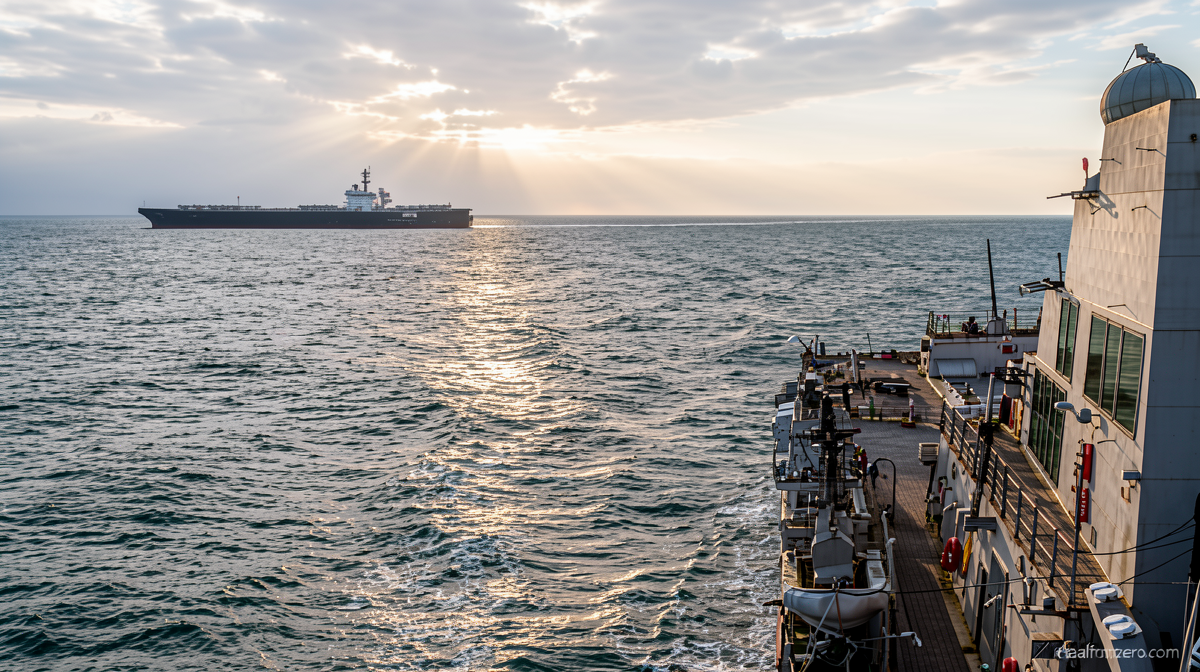
The Lincoln is currently transiting home to San Diego, where it will conclude a deployment of comparable length. Since a brief stopover in Guam in December 2025, sailors aboard have had virtually no opportunity to go ashore. Crew members have experienced disruptions to the ship’s mail system and intermittent shortages of hygiene products and fresh food. These conditions gained wider public attention earlier this month as reports of crew hardship circulated.
A Broader Pattern of Overlong Deployments
The letter does not treat these incidents as isolated anomalies. The lawmakers situate them within a broader trend: extended deployments exceeding the Navy’s own internal benchmark of seven months have become increasingly routine since 2020. The median duration of U.S.-based carrier rotations has climbed steadily, compressing maintenance windows, thinning experienced personnel pools, and placing sustained psychological pressure on crews who spend months at sea with limited shore leave.
When a rotation stretches past its planned window, the ripple effects extend beyond the ship. Families receive fewer communications, sailors accumulate fatigue that degrades operational performance, and the Navy’s ability to field additional carriers for other contingencies diminishes. The insistence on an independent review rather than an internal self-assessment reflects concern that institutional incentives may discourage candid reporting of problems.
Acting Navy Secretary Hung Cao addressed the Lincoln’s deployment in a public statement issued on August 14, praising the crew’s endurance while acknowledging the extraordinary length of the assignment.
Frequently Asked Questions
What exactly are the senators asking for? They are requesting that the Department of Defense commission an independent, impartial investigation into living conditions, operational readiness, mental-health support, and family communications aboard the named vessels, followed by actionable recommendations for future deployments.
Which ships are covered by the inquiry? The letter names the USS Abraham Lincoln, the USS Gerald R. Ford, and the USS Benfold. Each has experienced deployments of exceptional length or significant operational incidents.
Why an independent review instead of a Navy self-assessment? The lawmakers expressed concern that internal institutional incentives could discourage candid reporting of shipboard problems. An outside examination is intended to ensure findings are credible and actionable.
What is the Navy’s stated position? Acting Navy Secretary Hung Cao publicly praised the Lincoln crew’s endurance on August 14 while acknowledging the deployment’s extraordinary length. No formal response to the senators’ specific request for an independent probe had been issued as of the latest available reporting.