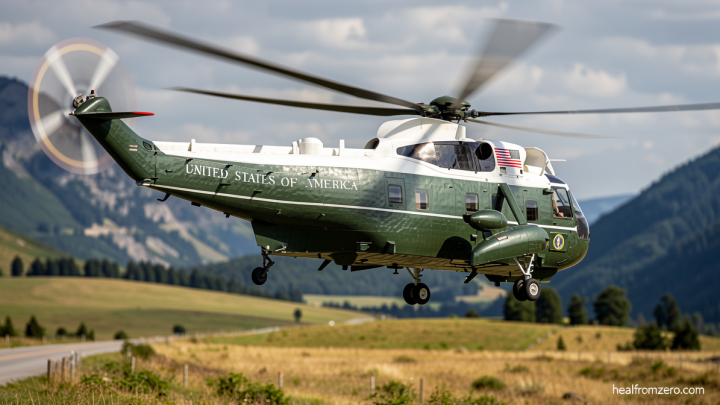
1 dead, 2 injured after Pennsylvania state police helicopter and small plane collide

Daftar Isi
State Police Helicopter Struck by Cessna During Training Flight; Pilot Killed, Two Troopers Hurt
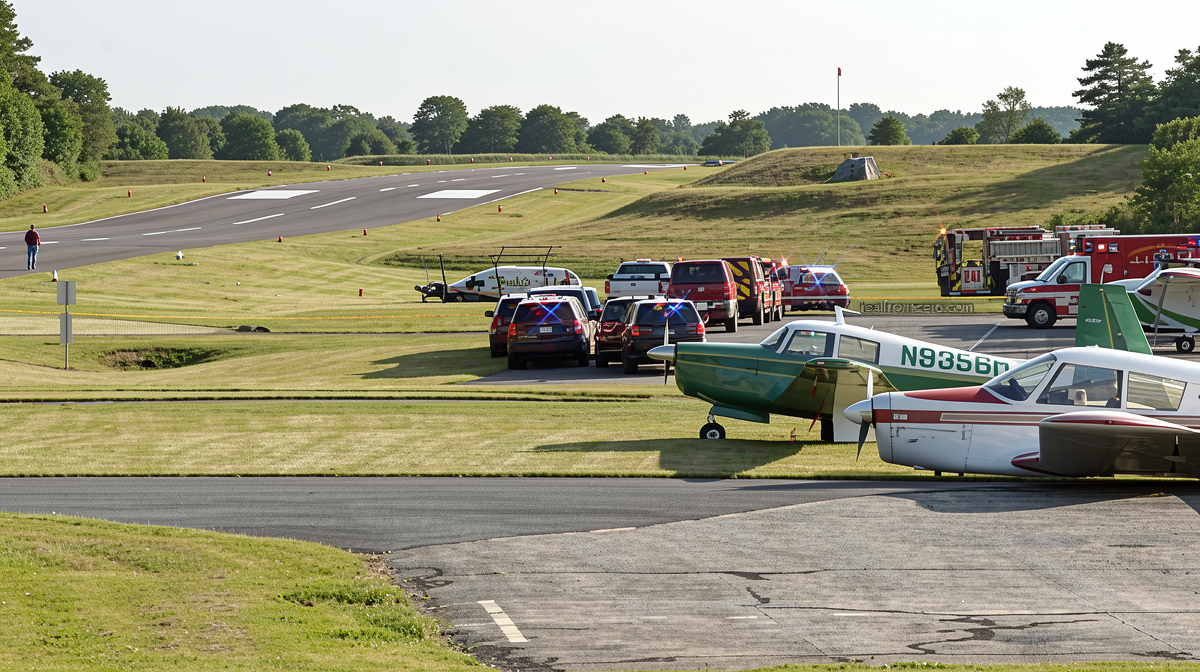
Healfromzero.com – A routine evening training session at a small central Pennsylvania airport turned fatal on Wednesday when a two-seat Cessna Model 150 slammed into a state police helicopter from behind, killing the airplane’s pilot and injuring both members of the helicopter crew. The impact, which occurred at approximately 6:52 p.m., sent the rotorcraft crashing to the ground near the runway at Carlisle Regional Airport in Cumberland County, roughly 120 miles west of Philadelphia.
How the Collision Unfolded
State Police Acting Commissioner Lieutenant Colonel George Bivens described the sequence of events at a press conference held shortly after the crash. The helicopter’s two-person crew had been conducting standard training maneuvers on a grassy strip running alongside the runway. While the aircraft sat only a few feet above the turf, the Cessna — having taxied down the paved runway — veered sharply to the right and struck the helicopter from the rear.
“The pilots would not have been able to even see that airplane approaching them,” Bivens said, characterizing the event as “a very violent crash.”
The geometry of the accident left the helicopter crew with essentially no warning. At low altitude over open grass, the small airplane’s approach from directly behind would have been invisible to the troopers, who were focused on their training task rather than scanning for traffic on the adjacent runway.
Rescue and Immediate Aftermath
Both helicopter occupants were initially pinned inside the wreckage. Before first-responders reached the scene, one trooper managed to force open a window and help his partner extricate himself from the mangled fuselage. Both were transported for treatment of injuries sustained in the impact. The Cessna’s pilot, believed to be the sole occupant of the airplane, was pronounced dead.
Video captured by local residents showed the helicopter, still bearing the state police insignia, resting on its side beside the runway in the fading evening light.
Investigation Launched
The Federal Aviation Administration and the National Transportation Safety Board have opened a joint investigation into the crash, working alongside Pennsylvania State Police personnel. Bivens noted that while only one pilot was thought to have been aboard the Cessna, that detail remains under scrutiny as investigators reconstruct the flight’s final moments and determine why the airplane departed the runway’s intended path.
A Broader Airspace-Safety Backdrop
The Carlisle collision arrives amid heightened national scrutiny of shared airspace environments where helicopters and fixed-wing aircraft operate in close proximity. Last year’s midair disaster at Ronald Reagan Washington National Airport — in which a U.S. Army Blackhawk helicopter collided with an American Airlines regional jet during its landing approach, killing 67 people — intensified debate over whether current traffic-management protocols adequately protect low-altitude rotorcraft operations near busy corridors. Advocates for stricter separation rules and expanded surveillance coverage have pressed regulators since that tragedy, and the Pennsylvania incident is likely to feed directly into that ongoing policy conversation.
Why Small Airports Carry Inherent Risk
Carlisle Regional Airport operates a single runway measuring 4,000 feet in length. The field has no control tower; instead, pilots coordinate their movements by broadcasting intentions on a shared common radio frequency. That arrangement, standard at thousands of small general-aviation fields across the country, places the burden of situational awareness squarely on each individual pilot. Without a tower issuing sequencing instructions, a helicopter conducting low-level training on a grass strip and a Cessna taxiing or departing the adjacent runway must rely on visual scanning and radio discipline to avoid one another — a margin that narrows considerably in low-light evening conditions.
State Leadership Responds
Pennsylvania Governor Josh Shapiro addressed the public at the same Wednesday press conference, acknowledging how narrowly the situation avoided greater catastrophe.
“Tonight could have been much worse. Tonight could have been much more tragic for our state police family. Thank god that it wasn’t,” Shapiro said.
The governor’s remarks underscored the emotional weight of the event for a state agency whose troopers routinely operate helicopters in precisely the kind of low-altitude, close-to-runway environments where fixed-wing traffic presents an ever-present hazard. As the FAA and NTSB continue their inquiry, questions about whether additional safeguards — from expanded radar coverage at small fields to revised training protocols that incorporate runway-adjacent traffic awareness — are warranted will likely dominate the coming weeks of public discussion.
Related Reading
Frequently Asked Questions
What is 1 dead 2 injured after Pennsylvania?
1 dead 2 injured after Pennsylvania is the main topic of this guide. The article explains the context, practical details, and next steps readers should understand.
Why does 1 dead 2 injured after Pennsylvania matter?
1 dead 2 injured after Pennsylvania matters because readers are looking for a useful answer, not just a short summary. Good content should match search intent and help them decide what to do next.