Dogs know if we’re happy, sad or scared just from our expressions, study suggests

Dogs Know If We’re Happy: Study Reveals Emotional Recognition
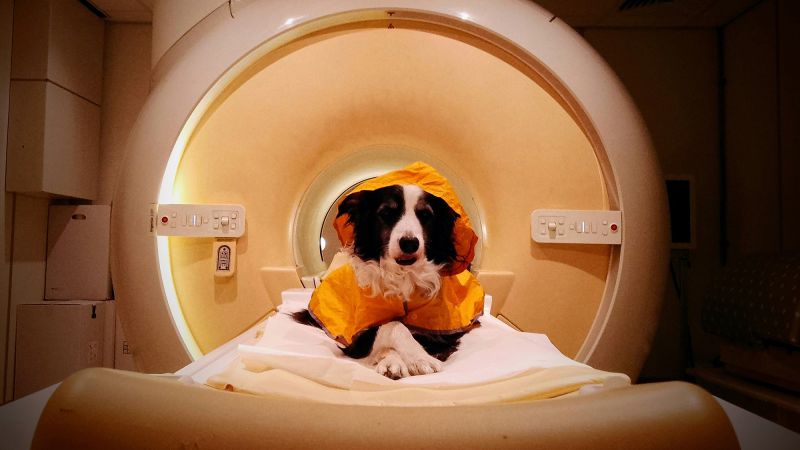
Healfromzero.com – Dogs know if we’re happy, sad, or scared — and new research shows exactly how their brains process these human emotions. Scientists at the University of Vienna used magnetic resonance imaging to discover that dogs have evolved specialized neural pathways for reading our facial expressions. This groundbreaking study reveals that canines don’t just respond to our emotions; they actually recognize and process them at a neurological level.
Evolutionary Breakthrough
While humans and primates share social cognitive abilities from a common ancestor, dogs took a completely different evolutionary path. Laura Cuaya, the study’s senior author, explained that dogs developed their social intelligence independently through thousands of years of domestication. This unique journey enabled them to acquire remarkable social competencies for understanding human communication.
The domestication process, beginning approximately 15,000 to 30,000 years ago, transformed wolves into the companion animals we know today. During this extended co-evolution period, dogs developed extraordinary sensitivity to human social cues including facial expressions, body language, and vocal tones. The research confirms this sensitivity extends to the neural level.
Brain Scans Reveal Emotional Processing
The research team conducted sophisticated brain scans on eight dogs — six border collies, one labrador, and one golden retriever. When presented with images of strangers displaying happy or neutral expressions, the dogs showed increased activity in two critical brain regions: the temporal cortex and the caudate nucleus. These areas handle higher cognitive functions and reward processing.
When we compare humans with primates, we are looking at abilities that may have come from a common ancestor. With dogs, the story is totally different. They followed a very different evolutionary path, yet through domestication, they developed the social abilities needed to understand and cooperate with us.
Laura Cuaya, who initiated this research at the National Autonomous University of Mexico before expanding it through collaboration at Eötvös Loránd University in Hungary and eventually moving to Vienna, noted that happy human faces carry genuine emotional weight for dogs. The caudate nucleus has been associated with reward processing across multiple species, including social rewards like verbal praise.
Reading Negative Emotions
Building on initial findings, researchers expanded their study to include twelve dogs and presented them with images depicting four distinct emotions: happiness, anger, fear, and sadness. While dogs responded most strongly to happy faces, comprehensive whole-brain analysis revealed distinct neural patterns for negative emotions as well.
Humans are really good at picking up small details on the face, so are dogs. This makes dogs very interesting. By studying their brains, we can understand what adaptations have developed to support their remarkable social and emotional understanding of humans.
Raúl Hernández-Pérez, the study’s first author and also affiliated with the University of Vienna, highlighted the parallels between human and canine facial recognition abilities. Both species excel at detecting subtle details in facial expressions, a capability that likely evolved to facilitate social interaction.
What This Means for Dog Owners
These findings suggest that dogs don’t merely react to our emotions — they genuinely understand them. When you smile, your dog’s brain lights up in ways similar to how humans process positive social cues. This emotional connection may explain why dogs often mirror their owners’ moods and provide comfort during difficult times.
Understanding how dogs process human emotions can help owners strengthen their bond with their pets. Recognizing that your dog can detect sadness or fear in your expression means their comforting behaviors are based on genuine emotional recognition, not just learned responses.
Frequently Asked Questions
How did researchers study dog brains? Scientists used magnetic resonance imaging (MRI) to scan the brains of dogs while showing them images of human faces displaying different emotions.
Which emotions can dogs recognize? The study found that dogs can recognize happiness, sadness, anger, and fear through human facial expressions, with the strongest response to happy faces.
Why do dogs respond more to happy expressions? The caudate nucleus, associated with reward processing, shows increased activity when dogs see happy faces, suggesting they find human happiness emotionally significant.
How many dogs participated in the study? The research included eight dogs initially, with a follow-up study involving twelve dogs total.