
Russia is still inching forward in eastern Ukraine, but experts say claims of progress are exaggerated
Russia’s Slow Advance in Eastern Ukraine Under Scrutiny
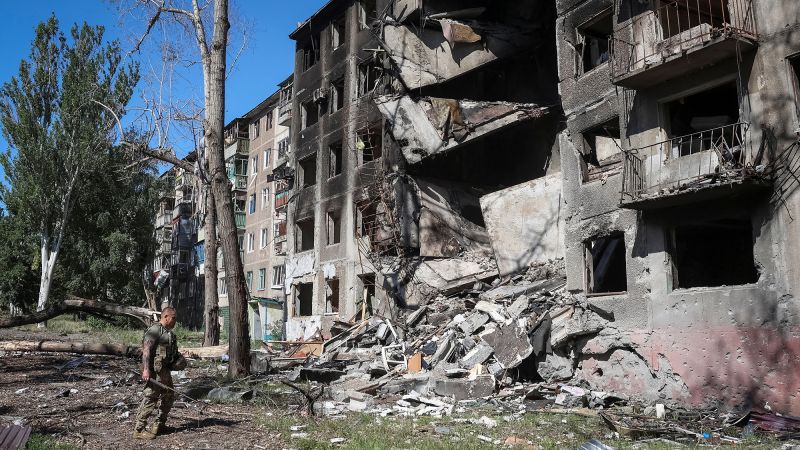
Russia is still inching forward in eastern Ukraine, but experts argue that the pace of territorial gains remains sluggish despite reported progress. As of mid-June 2026, Moscow’s military operations in the Donetsk region continue to focus on gradual movements, with analysts suggesting that claims of major breakthroughs may be overstated. While the Kremlin highlights advances in areas like Kostyantynivka, Ukrainian forces and independent observers note that these efforts are more about strategic positioning than full-scale expansion. The situation reflects a complex balance between Russian pressure and Ukrainian resilience, raising questions about the sustainability of Moscow’s current approach.
Strategic Infiltration in Kostyantynivka
Kostyantynivka, a key battleground in the region, has seen intensified Russian activity. TASS claimed troops had “gained full control” of the eastern part of the city and were advancing toward its northeastern outskirts. However, the Institute for the Study of War (ISW) characterizes this as a contested “gray zone,” where Russian units make sporadic incursions rather than securing permanent footholds. The shift from traditional advances to infiltration tactics underscores Russia’s adaptability, as it seeks to disrupt Ukrainian defenses without triggering large-scale counteroffensives.
“These are infiltrations, not advances,” said Kateryna Stepanenko, a lead Russia analyst at ISW. “Russian servicemen are entering positions in small groups, but they haven’t established consolidated control.”
Stepanenko emphasized that this method allows Russia to bypass heavy resistance and conserve resources, relying on sustained pressure to wear down Ukrainian forces over time. While the frontline remains tense, the slow progress suggests that Moscow’s claims of rapid momentum may be misleading.
Ukrainian Defense and Tactical Response
On the ground, Ukrainian soldiers report that the Kostyantynivka sector is experiencing heightened Russian aggression. Kostiantyn Melnykov, a press officer for Ukraine’s 24th Mechanized Brigade, noted the difficulty of maintaining stability in the area. “The enemy is increasing airstrikes here, but we’re holding strong,” he told CNN. Though the Russian advance is slow, Ukrainian units are actively countering it, destroying equipment and slowing the rate of progress. The resilience of Ukrainian forces highlights the challenges Russia faces in achieving lasting control.
Russia’s strategy in Kostyantynivka aligns with its broader goal of securing the Donbas region. This industrial heartland is vital for Ukraine’s logistics and military supply lines, and capturing it would bolster Russia’s position in the war. However, analysts warn that incremental gains may not be enough to achieve this objective. Yuriy Madyar, acting deputy commander of Ukraine’s 19th Army Corps, confirmed that Russian forces are conducting small-scale movements, sometimes with just one soldier at a time, to test Ukrainian defenses and create opportunities for larger offensives.
Weather and Terrain as Tactical Tools
Russia’s current infiltration tactics are influenced by seasonal factors. Summer vegetation provides cover for advancing troops, while favorable weather conditions enhance drone operations on both sides. This allows Russia to conduct stealthy maneuvers without exposing its forces to heavy retaliation. According to a Russian commander shared on Telegram, the timing of these operations is deliberate, aiming to exploit environmental advantages before winter sets in. Despite these factors, the progress remains modest, with many analysts doubting the long-term effectiveness of the strategy.
Experts caution that Russia’s advances in the Kostyantynivka area may be part of a broader effort to consolidate control in the Donbas. However, the slow pace of Russian progress, combined with Ukrainian countermeasures, suggests that the campaign is more about pressure than actual territorial conquest. The use of AI-altered footage to project success further complicates the assessment, as it blurs the line between real gains and strategic propaganda. While the war in eastern Ukraine continues, the balance of power remains in flux, with both sides adapting their tactics to achieve their objectives.