
Hantavirus-hit cruise passengers arrive in Tenerife
Hantavirus-hit cruise passengers arrive in Tenerife
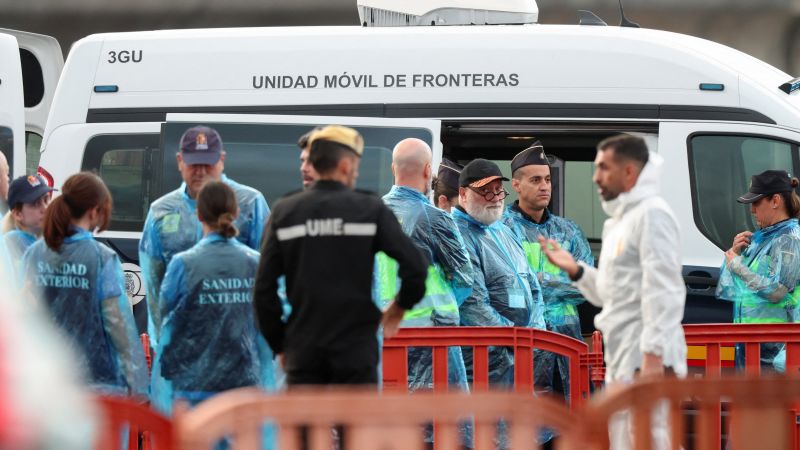
Hantavirus hit cruise passengers arrive in Tenerife – Spain’s health ministry confirmed that the disembarkation process for passengers affected by hantavirus has begun on the island of Tenerife, as part of a multi-nation coordinated effort to repatriate individuals from the MV Hondius. The cruise ship, which had arrived at the port Sunday morning, is now ferrying 147 people to the island, where they will be processed for further medical evaluation and evacuation. The operation, described as meticulously organized, involves small boat transfers from the anchored vessel to the shore, with passengers subsequently boarding buses for transport to the airport. From there, they will be flown back to their respective home countries, marking the end of an intense week of containment measures.
The MV Hondius and the Hantavirus Outbreak
The MV Hondius, a vessel operating under Oceanwide Expeditions, has been at the center of a hantavirus incident that has sparked international attention. The outbreak was first reported to the World Health Organization on May 2, with the disease being linked to three fatalities since the ship departed Argentina last month. Hantavirus, a rare but potentially severe illness, is typically transmitted through exposure to the urine or feces of infected rodents. While the exact source of the outbreak on the MV Hondius remains under investigation, the health ministry emphasized that the risk to the general public remains low.
The ship’s arrival in Tenerife was accompanied by strict protocols to minimize the spread of the virus. Local officials had initially expressed concerns about the docking, with the territory’s leader Fernando Clavijo opposing the ship’s presence on the island earlier in the week. Despite these reservations, the vessel was allowed to anchor at a distance deemed “safe” by authorities, ensuring that passengers were brought ashore in groups of no more than 10 per boat. This approach reflects the precautionary measures being taken to prevent contamination of the local environment and community.
Medical Assessments and Evacuation Plans
Before passengers began their journey to the island, medical teams boarded the MV Hondius to conduct initial tests and evaluations. Spain’s health minister, Mónica García, stated that the process was carried out shortly before 8 a.m., with results expected to inform the next steps. The tour operator confirmed that the sequence of disembarkation would align with incoming repatriation flights, allowing for a streamlined evacuation process. Notably, all luggage from the passengers will remain aboard the ship until it is returned to them after their departure.
Among the first to disembark were 14 Spanish passengers, who will undergo a strict quarantine protocol. These individuals, along with logistics personnel and bus operators, will wear FFP2 masks to reduce the risk of transmission. They will be transported to a military hospital, where they will reside in individual rooms with no visitors permitted. The ministry outlined that each passenger will receive a PCR test upon arrival and a follow-up test seven days later, ensuring close monitoring for any signs of illness.
The two Dutch passengers on the ship will be the second group to leave, according to García’s statement on Sunday morning. Their departure is scheduled to occur after the Spanish group, with the same health protocols in place. Meanwhile, 17 American passengers, who have not exhibited symptoms, will be taken to the University of Nebraska Medical Center. This facility, housing the National Quarantine Unit, will conduct initial assessments before allowing the travelers to return home for 42 days of home-based monitoring. The CDC official noted that daily check-ins will be required for these individuals to track their health status closely.
Global Response and Concerns
Several nations, including the United States, Germany, France, Belgium, Ireland, and the Netherlands, have pledged support for the evacuation effort. Aircraft from these countries are en route to Tenerife to transport their nationals back to their home bases. The coordination between the cruise ship’s disembarkation and the arrival of repatriation flights underscores the international collaboration required to manage the crisis effectively.
However, the situation has not been without controversy. Port workers in Tenerife staged protests, citing a lack of communication about the potential risks associated with the ship’s presence. These demonstrations highlighted growing concerns among local residents about the safety of the island’s population and the preparedness of authorities to handle the outbreak. The health ministry acknowledged these issues but maintained that the measures taken were necessary to contain the virus and protect public health.
While the focus has been on evacuating passengers, the ship’s crew will remain on board for the next leg of the journey. The MV Hondius is scheduled to travel to Rotterdam, Netherlands, where the crew will disembark and the vessel will undergo thorough disinfection. This step aims to eliminate any lingering traces of the virus, ensuring that the ship is safe for future operations. The health ministry also reassured the public that the outbreak is contained and that the risk to local communities is minimal, though they continue to monitor the situation closely.
Context and Public Health Measures
Hantavirus, though uncommon, can be deadly in severe cases, particularly when it affects the lungs and leads to hantavirus pulmonary syndrome. Symptoms include fever, fatigue, and muscle aches, which can progress to respiratory distress within days. The WHO confirmed that the outbreak on the MV Hondius has been reported and classified as a low public health risk, though the disease’s potential for rapid transmission in confined spaces remains a concern.
Spain’s health ministry has been at the forefront of managing the crisis, working with international partners to ensure the safe return of passengers. García emphasized the importance of transparency in the process, noting that the medical teams on board have been conducting tests to identify any asymptomatic carriers. The decision to prioritize the Spanish group’s disembarkation first was based on their closer proximity to the island’s population and the need to establish a quarantine model for other passengers.
As the MV Hondius continues its journey, the focus shifts to the long-term health monitoring of those evacuated. The 42-day period for American passengers, for instance, allows for observation of potential symptoms that may emerge after initial testing. This period is critical for determining whether the virus is fully under control or if further action is needed. Meanwhile, the Spanish passengers’ PCR tests will provide additional data on the virus’s prevalence and response to quarantine measures.
CNN has reached out to the Ports of Tenerife and Clavijo’s office for further comment, as the situation develops. The article’s contributors, including Adam Cancryn, Brenda Goodman, Jennifer Hansler, Deidre McPhillips, and Christian Edwards, have provided updates on the evolving scenario. The combination of medical protocols, international cooperation, and local resistance highlights the complexity of managing a global health incident on a single vessel.
The MV Hondius’s voyage serves as a case study in how cross-border health crises are addressed in the modern era. From the initial report of the outbreak to the coordinated evacuation and ongoing monitoring, the response has been swift and methodical. However, the incident has also exposed challenges in communication and public perception, particularly in regions like the Canary Islands, where the ship’s arrival was met with mixed reactions. As the passengers continue their journey home, the health ministry remains vigilant, ensuring that all measures are in place to protect both the individuals on board and the communities they will return to.
With the ship’s departure from Tenerife, the story of the hantavirus outbreak shifts to the home countries of the passengers. The National Quarantine Unit in the United States, for example, will play a pivotal role in tracking the health of the 17 Americans over the next month. This extended monitoring period is designed to capture any delayed symptoms or complications that might arise, providing a more comprehensive understanding of the virus’s impact. The WHO’s ongoing assessment of the outbreak will also guide future responses, helping to determine whether additional precautions are needed for other cruise ships or travel routes.
Ultimately, the MV Hondius’s arrival in Tenerife marks a turning point in the hantavirus incident. While the immediate threat to the public has been mitigated, the global health community continues to watch the situation with interest. The lessons learned from this outbreak will likely influence how future travel-related health crises are managed, emphasizing the importance of early detection, international collaboration, and rigorous safety protocols. As passengers are returned to their countries, the hope is that the virus will be contained and that the experiences of those on board will contribute to better preparedness for similar events in the future.