
‘Black widows’: Women accused of marrying Russian army recruits to claim death payouts
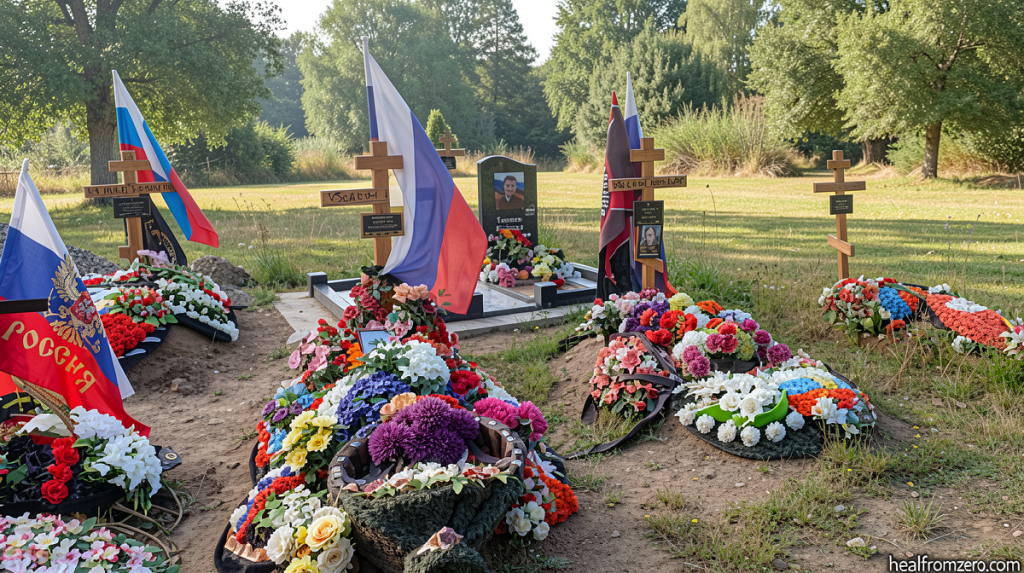
Scam Marriages to Russian Soldiers Spark Outcry Over Death Benefit Exploitation
Healfromzero.com – Across Russia, a growing wave of public anger has emerged over women who allegedly marry soldiers heading to Ukraine solely to collect death compensation when their new husbands fall in battle. These so-called “black widows” have become a symbol of broader frustrations as the conflict drags on, with families demanding government action against what they see as brazen financial fraud.
One particularly harrowing case has captured national attention. Maria, a 37-year-old woman from St. Petersburg, learned that her 59-year-old father Yury had been killed on the front lines of the Ukraine war. What made the news even more devastating was that she had no idea her father had joined the military at all. To compound her shock, she discovered he had married just two days before being deployed to combat.
“I’m still in shock and still can’t accept what happened,” Maria said, sitting at her kitchen table in her small flat. “At first, it felt like a dream. Even now, I sometimes wake up thinking I must have just dreamt it all. But it is really happening.”
The bride, whom Maria had never met and barely knew existed, was 22 years younger than Yury. Through this marriage, she became his legal next of kin, positioning herself to receive official compensation from the military. Maria expressed confusion and suspicion about the relationship.
“I’ve never even spoken to this woman,” Maria explained. “I don’t know what to say to her because I immediately suspected it was a scam.”
The Financial Incentive Behind the Marriages
When Russian soldiers die in combat, their families receive lump-sum payments beginning at 5 million rubles, approximately $64,000. This compensation system was designed to provide security for families, reassuring recruits that their loved ones would be cared for if tragedy struck. However, the generous payouts have created a lucrative opportunity for opportunistic scammers.
These women, dubbed “black widows” by Russian officials and state media, target vulnerable men through sham marriages. They then claim the death benefits if their husbands perish, effectively cutting out biological relatives from receiving the compensation. The practice has intensified since Russia’s full-scale invasion of Ukraine began in February 2022.
Recent months have seen multiple scandals emerge. In one widely publicized incident, a nurse employed at a military hospital was dismissed after being accused of marrying five soldiers under her care before they succumbed to their injuries. Each marriage was allegedly intended to secure death benefits for the nurse.
Political Response and Social Context
The phenomenon has resonated deeply in Russian society, which is increasingly concerned about the domestic impact of the war. Against a backdrop of economic difficulties, fuel shortages, and Ukrainian strikes on Russian territory, public condemnation of these scammers has grown louder.
“The families of Special Military Operation participants need protection from brazen criminals, from so-called ‘black widows,’ from financial and telephone scammers and predators who target those who have received monetary payouts,” said Leonid Slutsky, a prominent lawmaker in Russia’s parliament. He added that such crimes were now reaching “serious proportions.”
The Kremlin’s pro-marriage campaign, launched alongside the invasion, encouraged soldiers to wed before deployment. This policy served multiple purposes: bolstering family support networks, instilling additional motivation to fight, and aligning with President Vladimir Putin’s promotion of traditional values amid Russia’s demographic decline. Authorities facilitated expedited marriages that bypassed standard notice periods, while state television showcased mass wedding ceremonies organized by local officials.
For some women, marrying a soldier has become an unexpected pathway to financial stability. In a video podcast recorded in the Siberian city of Tomsk last year, real estate agent Marina Orlova offered pragmatic advice to potential property buyers.
“I’m a 30-year-old woman, but if I want to buy an apartment, where am I supposed to get the money?” the host, Darya Cherdantseva, asked. “It’s simple,” the agent responded. “Find a man who’s serving in the Special Military Operation and when he gets killed, you get 8 million rubles ($102,000).”
Orlova’s cynical yet practical guidance highlighted how the war has transformed marriage into both a social obligation and a potential financial strategy. With life expectancy for soldiers on the front lines now described as catastrophically short, the prospect of receiving substantial compensation has made these marriages increasingly attractive to certain segments of the population.
As public pressure mounts, Russian lawmakers and officials are considering stricter measures to prevent exploitation of the death benefit system. The black widow phenomenon has become more than a scandal—it represents a growing challenge to how Russia manages the human and financial costs of its ongoing military campaign in Ukraine.
Related Reading
Frequently Asked Questions
What is Black widows?
Black widows is the main topic of this guide. The article explains the context, practical details, and next steps readers should understand.
Why does Black widows matter?
Black widows matters because readers are looking for a useful answer, not just a short summary. Good content should match search intent and help them decide what to do next.