
Guatemalan volcano reaches ‘critical explosive phase’ as hundreds evacuated
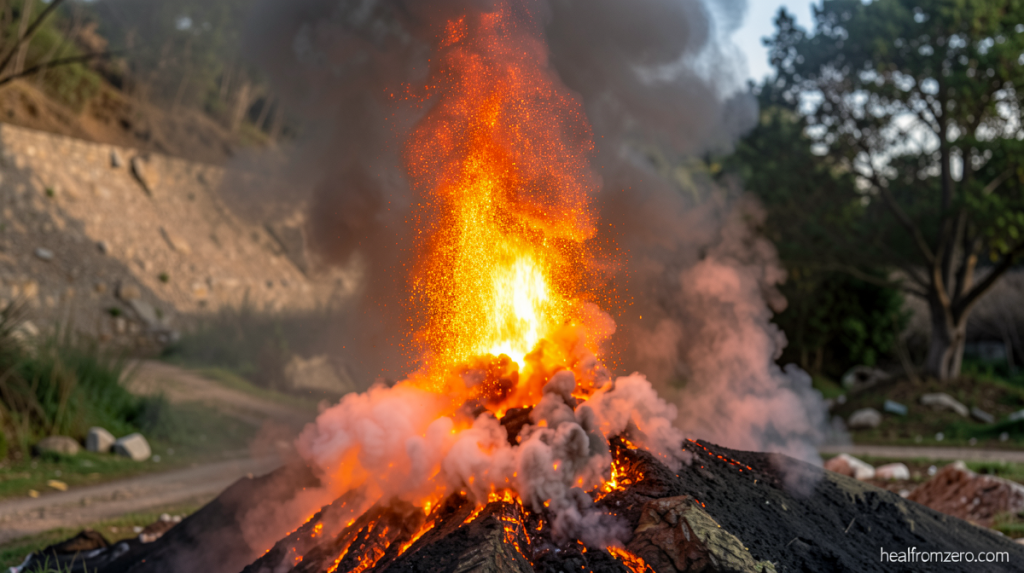
Guatemala’s Fuego Volcano Enters Critical Phase as Evacuations Expand
Healfromzero.com – Residents across multiple Guatemalan municipalities are being urged to seek shelter as the Fuego volcano intensifies its explosive activity. The volcanic mountain, situated approximately 50 kilometers southwest of the nation’s capital, has been continuously emitting ash and lava since Monday, prompting emergency officials to declare the situation as reaching its most severe phase of eruption.
Pyroclastic flows—fast-moving currents of hot gas and volcanic matter—have been observed descending through the ravines surrounding the volcano. These flows represent one of the most dangerous aspects of volcanic eruptions, capable of destroying everything in their path. The ash cloud has risen to altitudes exceeding 5,000 meters above sea level and has spread as far as 120 kilometers from the eruption site.
Evacuation Numbers and Regional Impact
Emergency authorities have confirmed that at least 1,699 individuals have been relocated from their homes in the vicinity of the volcano. The Guatemalan National Commission for Disaster Reduction, known as Conred, has reported that more than 29,000 people across the region are experiencing the effects of ashfall. Eighteen communities have been directly impacted by smoke and ash emissions, though officials note that no lava flows have reached residential areas and no structural damage to homes has been recorded.
Activity at the Fuego volcano continues in a critical explosive phase.
Edwin Rojas, who serves as director of the National Institute of Seismology, Volcanology, Meteorology and Hydrology, provided this assessment during a Tuesday press conference. His statement underscores the ongoing nature of the volcanic activity and the potential for continued intensification.
Aviation and Infrastructure Disruptions
The ash cloud has prompted the Directorate General of Civil Aviation to issue warnings to pilots. The alert covers airspace extending west and west-southwest of the volcano, reaching as far as the Mexican border. Despite these concerns, Guatemala’s primary international airport continues normal operations, though flight paths may be adjusted as a precautionary measure.
Transportation infrastructure has also been affected. Conred has closed National Route 14, a major highway connecting to the town of Alotenango, to facilitate evacuation efforts and ensure emergency vehicles can access affected areas without obstruction. Tourist access to both the Acatenango and Fuego volcanoes has been suspended until further notice.
Evacuation Challenges and Community Response
Three regions have elevated their emergency status to red alerts, the highest level available, in an effort to encourage broader participation in evacuation efforts. However, officials acknowledge that compliance remains a challenge due to the voluntary nature of the evacuation orders.
Unfortunately, the Conred law is not coercive. It’s not like in other countries where they say, ‘We must evacuate’ and everyone evacuates. Here, it’s a recommendation, and that’s why we’re visiting house by house to encourage families to evacuate.
Claudinne Ogaldes, executive secretary of Conred, explained that the non-mandatory nature of evacuation orders requires door-to-door outreach to ensure residents understand the risks. Defense Minister Henry Saenz has deployed security forces to patrol affected areas, addressing concerns about looting that some residents cite as a reason for remaining in their homes.
Education and Historical Context
Schools in municipalities near the volcano have suspended classes as a precaution. Conred has provided the Ministry of Education with detailed information about the situation, enabling officials to evaluate additional measures that may be necessary for student safety.
The Fuego volcano ranks among the most active volcanic systems in Central America. Its 2018 eruption stands as one of the deadliest volcanic events in recent Guatemalan history, claiming hundreds of lives and leaving many more missing. That catastrophic event has informed current emergency protocols and evacuation strategies.
Authorities have committed to maintaining close monitoring of the volcano for approximately 72 hours, assessing whether activity will diminish or intensify. The extended monitoring period reflects the unpredictable nature of volcanic eruptions and the need to prepare for potential scenarios ranging from gradual decline to renewed explosive phases.
Related Reading
Frequently Asked Questions
What is Guatemalan volcano reaches critical explosive phase?
Guatemalan volcano reaches critical explosive phase is the main topic of this guide. The article explains the context, practical details, and next steps readers should understand.
Why does Guatemalan volcano reaches critical explosive phase matter?
Guatemalan volcano reaches critical explosive phase matters because readers are looking for a useful answer, not just a short summary. Good content should match search intent and help them decide what to do next.