Ben Crump built a career demanding justice. Nolan Wells’ death has put his mission — and methods — back under a microscope

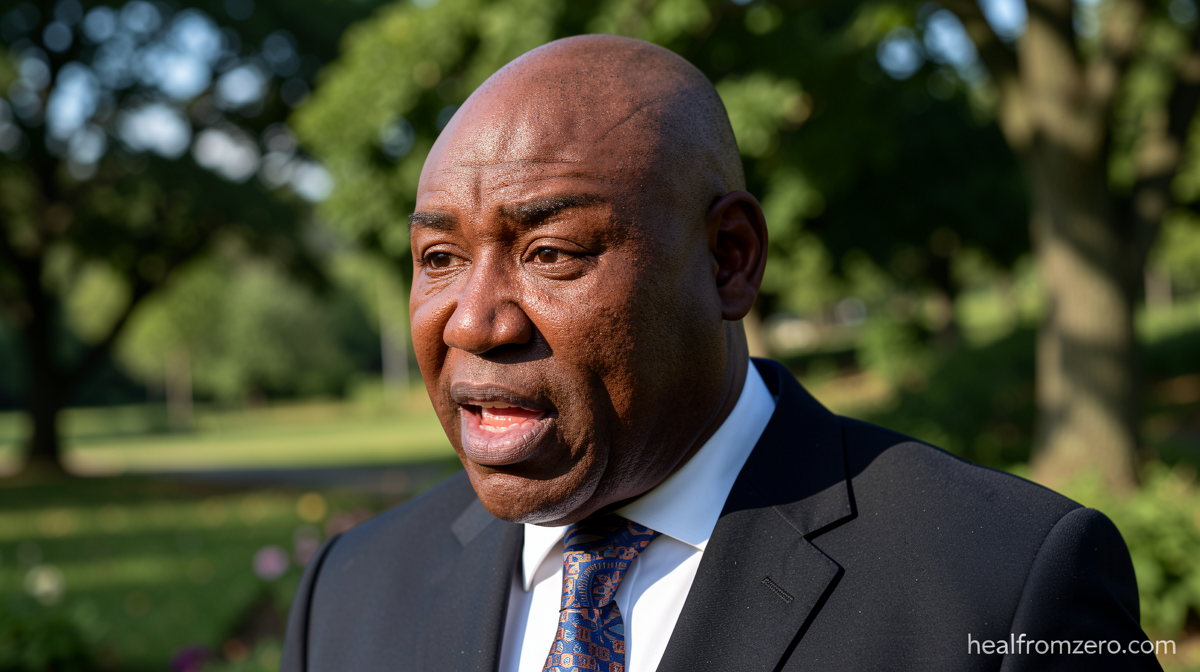
Ben Crump Built a Career Demanding Answers
Healfromzero.com – Ben Crump built a career on one uncompromising principle: families deserve to know what happened to their children. That principle was tested again in August when Christine Wells-Wonsley, a Mississippi nurse practitioner, and her husband Elmore turned to him after their son Nolan Wells died during a Fourth of July boating outing with friends. What started as a private plea for clarity escalated into a national story — and, predictably, into a storm of criticism aimed at the attorney himself.
From Private Grief to Public Stage
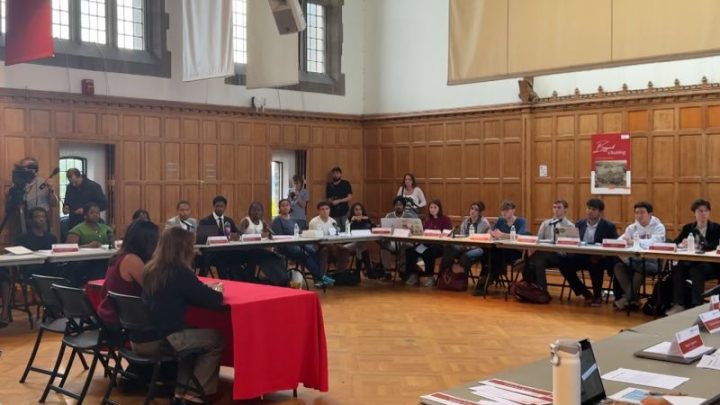
At a convention hall event late last month, Crump took the podium with his fist raised and his voice carrying over a roaring crowd. Beside him stood Wells-Wonsley, gripping his hand as he reached the microphone. He declared, without hedging, that the family owed answers. The audience answered back in unison. The spectacle was larger than one household’s sorrow, and it drew immediate scrutiny from those who question whether high-visibility advocacy helps or harms the families it claims to serve.
That same evening, three additional Black families took the stage alongside Crump. Each had lost an 18-year-old son within recent months; in each case, authorities had labeled the death an accident. Crump told reporters the young men had been surrounded by White peers at the time of death and called the pattern “questionable.” His office, he said, would pursue the truth regardless of who it implicated or cleared.
“We got to show that this is not a coincidence, that all these young 18-year-old Black men are ending up dead and nobody is being held accountable.”
A Decade of High-Profile Justice Work
Anyone who has followed his legal practice over the past decade recognizes the refrain. In 2012 he stood beside the parents of Trayvon Martin, the high-school student shot while visiting his father, and pressed for accountability. In 2020 he led the push for answers after police killed Breonna Taylor in her Louisville apartment, and months later he was again at the front of the demand for justice after George Floyd suffocated beneath an officer’s knee in Minneapolis. At the height of the Black Lives Matter demonstrations that year, Rev. Al Sharpton dubbed him “Black America’s attorney general,” a label Crump has worn openly since.
Speaking by email to CNN, Crump framed his role plainly: his job is to tell the truth about what happened to the families who trust him, including the systemic failures behind each death. With a North Carolina drawl and an Eagle of Justice pin fastened near his heart, he has positioned himself at the center of nearly every major racial-justice case of the last decade. The visibility is deliberate, and it attracts both admiration and animosity in equal measure.
Criticism, Comparison, and the Personal Toll
Critics contend that his media-heavy approach inflames racial divisions and that he profits financially from his clients’ suffering. Supporters counter that the condemnation is simply proof of effectiveness, arguing the country needs someone willing to keep these cases in sharp public focus. Gerald Griggs, a fellow civil-rights attorney and former president of the Georgia NAACP, drew a direct historical parallel.
“He is the modern-day Thurgood Marshall. We know that without the pressure and the attention of the media, many of these cases go unheard and unknown. That’s why I respect Attorney Crump and others who are doing this work, day in and day out.”
Yet proximity to a polarizing figure carries its own cost. Wells-Wonsley, whose professional record as a nurse practitioner had never been in question before her son’s death, became a target of online attacks. In early August, Crump disclosed that the Mississippi Board of Nursing had opened — then swiftly closed — a professional-misconduct investigation into her practice after receiving a flood of anonymous complaints in the wake of Nolan’s death. He characterized the inquiry as an attempt to force a grieving mother into silence.
“This is a warning shot at a grieving mother, meant to pressure and scare her into staying quiet. It was frivolous, it was unfounded, and it was never going to find anything.”
Frequently Asked Questions
What happened to Nolan Wells? Nolan Wells, an 18-year-old from Mississippi, died during a Fourth of July boating outing with friends. His parents, Christine and Elmore Wells-Wonsley, hired Ben Crump to press for a full accounting of the circumstances.
What is Ben Crump’s role in the Wells case? Crump represents the Wells-Wonsley family publicly and legally. He has used high-profile events and media appearances to demand answers from authorities and to draw attention to what he describes as a pattern of unexplained deaths of young Black men.
What did the Mississippi Board of Nursing do? The board opened a professional-misconduct investigation into Christine Wells-Wonsley’s nursing practice after receiving anonymous complaints following her son’s death. The investigation was closed without findings. Crump called the inquiry frivolous and unfounded.
Who is Gerald Griggs and why did he compare Crump to Thurgood Marshall? Griggs is a civil-rights attorney and former president of the Georgia NAACP. He said the media pressure Crump applies to cases prevents them from going “unheard and unknown,” drawing a parallel to Marshall’s strategy of using public attention to advance civil-rights litigation.