
Austrian man sentenced to 15 years in prison for plot to attack Taylor Swift concert in Vienna
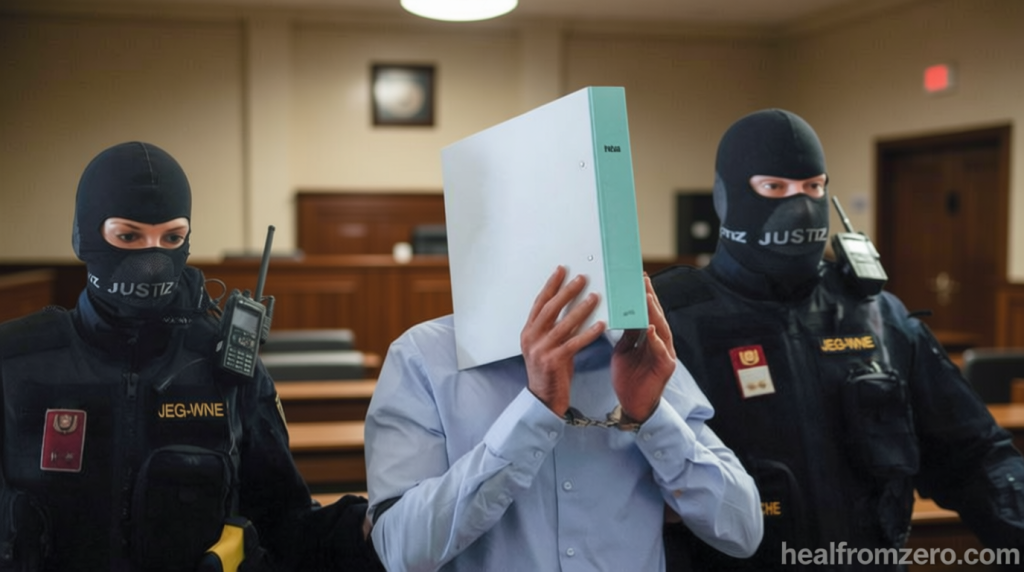
Austrian Man Convicted for Plotting Concert Attack
Austrian man sentenced to 15 years – On Thursday, an Austrian court handed down a 15-year prison sentence to a 21-year-old individual, Beran A, who admitted to orchestrating a thwarted Islamist attack on a Taylor Swift concert in Vienna in 2024. The conviction followed a trial that highlighted his involvement in terrorism-related offenses, including efforts to acquire weapons and plot attacks in multiple locations. Beran A’s last name was withheld in compliance with Austrian privacy regulations, which aim to protect the identities of individuals in legal proceedings unless their names are disclosed publicly. His arrest occurred on August 7, 2024, the day before the first of three scheduled Taylor Swift concerts in the Austrian capital. The three events were subsequently canceled, leaving fans and the singer herself deeply affected.
The Foiled Attack and Canceled Events
The Taylor Swift concerts in Vienna were initially set to draw large crowds, but the planned attack disrupted the event’s timeline. Beran A’s arrest on the eve of the first concert marked a pivotal moment in the unfolding case. His plans, which included acquiring explosives and weapons, were deemed a direct threat to public safety. The cancellation of all three concerts caused frustration among attendees, who had anticipated the performance. Taylor Swift later expressed her dismay in a public statement, describing the setback as “devastating.” While fans gathered in Vienna to share their disappointment and sing together, neither Swift nor her dedicated followers, known as Swifties, participated in the trial held in Wiener Neustadt, a town approximately 15 miles south of Vienna.
Trial Details and Defendant’s Admission
Beran A’s trial began last month, during which he confessed to the charges against him. His guilty plea was central to the case, as it reduced the legal burden on prosecutors and provided a clearer narrative of his intentions. To maintain anonymity during the proceedings, he covered his face with a ring binder, ensuring that his identity was not easily recognizable in courtroom photographs. In his final statement, Beran A addressed the court, expressing remorse for his actions. “I would just like to say that I am sorry,” he said, highlighting his acknowledgment of guilt after closing arguments were delivered.
Weapons and Bomb-Making Evidence
During the trial, evidence was presented that Beran A had attempted to procure illegal weapons, including a machine gun and a hand grenade. He also followed instructions from an Islamic State video titled “Make a bomb in the kitchen of your mom,” which demonstrated how to create triacetone triperoxide (TATP), a highly volatile explosive. The video was a critical element in the prosecution’s argument, linking Beran A to the ideology of the group. His efforts to acquire these materials underscored the seriousness of his intent, even though the attack was ultimately foiled. The court found him responsible for the preparation of the explosive, which could have been used in a devastating manner.
Separate Plots and Third Suspect
Beran A’s case also revealed his collaboration with two school friends, Arda K and another individual, to plan attacks in separate Middle Eastern cities. The trio had intended to execute solo operations in Dubai and Istanbul, respectively, but failed to follow through. Beran A testified that he had traveled to Dubai in March 2024, scouting for potential victims to stab. However, he experienced a panic attack when confronted with the opportunity to act, leading him to abandon the plan. Upon returning to Vienna, he decided to escalate his efforts, eventually focusing on the Taylor Swift concerts as a target.
The trial also implicated a third suspect, who was arrested in Mecca on suspicion of attempting to stab a security official at the city’s Grand Mosque. Beran A and Arda K denied providing material support to this individual, arguing that their actions were independent. “Beran is not a leader. He is not an ideological mastermind,” emphasized Anna Mair, Beran A’s lawyer, during the closing remarks. David Jodlbauer, Arda K’s defense attorney, echoed this point, asserting that the two defendants had not contributed to the third man’s activities. Despite these claims, the jury determined that Beran A had given moral support to the individual in Mecca, a key factor in his conviction.
Jury Verdict and Legal Arguments
The jury’s decision reflected the gravity of Beran A’s actions, convicting him on all but two of the 15 charges presented. These included planning the attack on the Taylor Swift concerts and providing moral support to the third suspect in Mecca. In contrast, Arda K was found guilty of all the charges and received a 12-year sentence. The case has sparked discussions about the role of individuals in international terrorism networks and the effectiveness of local authorities in preventing such plots. Beran A’s admission of guilt, combined with the evidence of his weapons procurement and bomb-making efforts, played a significant role in securing the conviction.
Impact on Public and Legal Context
The cancellation of the Taylor Swift concerts not only affected fans but also highlighted the broader implications of the attack on cultural events in Europe. The incident underscored the vulnerability of public spaces to terrorist threats, prompting authorities to reevaluate security measures. Beran A’s case also serves as a reminder of the importance of monitoring radicalization among young individuals. His decision to target the concerts, rather than a political or religious event, may indicate a shift in the motivations of Islamist attackers toward high-profile, mass gatherings.
Legal experts have noted that the conviction of Beran A represents a significant step in Austria’s counter-terrorism strategy. The trial demonstrated how the country’s judicial system handles complex cases involving multiple suspects and international elements. The focus on moral support, rather than direct participation in the attack, highlights the nuanced approach taken by prosecutors in linking individuals to extremist ideologies. This case could influence future trials, as it sets a precedent for how support networks within terrorist groups are evaluated.
Beran A’s journey from planning attacks in Dubai to targeting Vienna’s concerts illustrates the personal and ideological factors that can drive individuals to violence. His actions were motivated by a desire to create chaos and demonstrate his commitment to the cause. The trial provided a platform to explore these motivations, revealing the psychological and logistical aspects of his plot. While the concerts were canceled, the case has left a lasting impression on the community, emphasizing the need for vigilance against potential threats.
As the verdict is finalized, Beran A’s 15-year sentence marks the culmination of a legal process that balanced individual accountability with the broader context of global terrorism. The case also serves as a case study in the interplay between personal ambition and radical ideology, showcasing how young individuals can become central figures in international plots. The absence of Swift and her followers from the trial, despite their emotional connection to the event, highlights the separation between the personal and the legal, with the court focusing on facts rather than fan sentiment. This distinction is crucial in maintaining the integrity of the judicial process, even in cases that gain widespread public attention.
Conclusion and Broader Implications
The conviction of Beran A and his co-defendant, Arda K, signals a strong response to terrorism in Austria. Their sentences, which range from 12 to 15 years, reflect the severity of the charges and the risks associated with their plans. The case has also raised questions about the role of social media and online propaganda in inspiring such attacks, as evidenced by the Islamic State video that guided Beran A’s bomb-making process. As Europe continues to grapple with the threat of Islamist extremism, cases like this underscore the importance of proactive measures and the need for sustained efforts in monitoring and preventing radicalization.