
Appeals court reverses decision that freed pro-Palestinian Columbia activist Mohsen Mahdawi
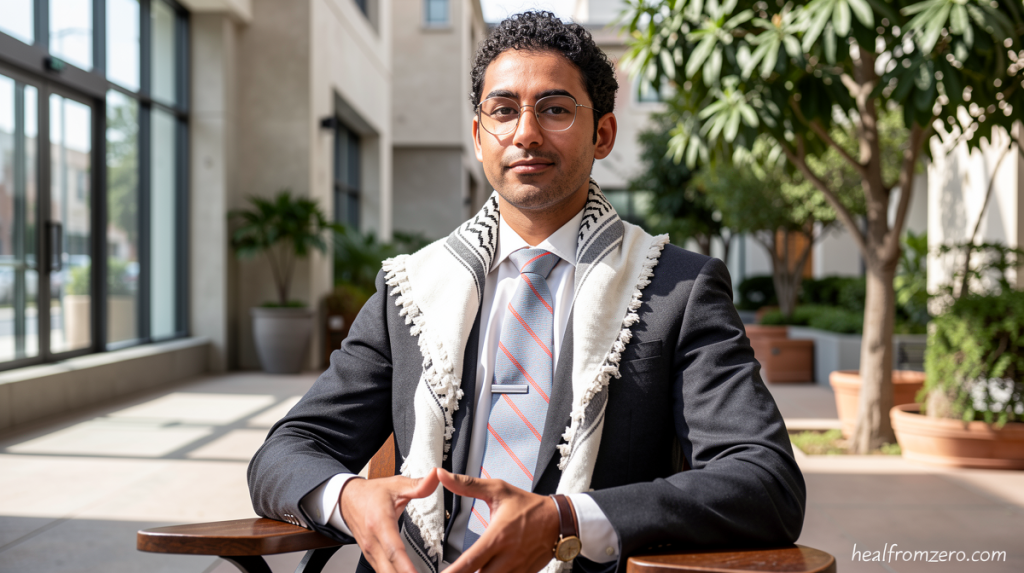
Second Circuit Overturns Lower Court Ruling That Had Freed Columbia Student Activist
Legal Reversal Opens Path for Re-arrest of Pro-Palestinian Organizer
Healfromzero.com – A three-judge panel within the Second Circuit Court of Appeals has issued a significant reversal of a Vermont federal judge’s earlier order, effectively blocking the release of Mohsen Mahdawi, a prominent pro-Palestinian student leader at Columbia University. This Tuesday decision clears the way for immigration authorities to potentially detain the activist once again, as the Trump administration continues its prolonged campaign to remove him from the United States. The appellate court’s unanimous ruling concluded that the Vermont judge had exceeded his jurisdictional boundaries by stepping into Mahdawi’s immigration proceedings before those matters had been fully resolved within the specialized immigration court framework.
The original lower court decision had drawn sharp comparisons between the government’s deportation efforts and the historical McCarthy-era crackdowns on political dissent. However, the appellate panel determined that such intervention was premature, noting that Mahdawi’s case still needed to traverse the complete immigration adjudication process. This reasoning aligns closely with another appellate ruling issued earlier this year concerning Mahmoud Khalil, who studied alongside Mahdawi at Columbia. In both instances, the higher courts refrained from evaluating whether the activists faced unconstitutional treatment for voicing criticism of Israeli policies, instead focusing on procedural questions regarding the timing of judicial intervention.
According to the appellate panel’s written explanation, Mahdawi retains the ability to pursue federal court review of his constitutional arguments once he has exhausted all available remedies within the immigration system. Currently, the 35-year-old activist is navigating an appeal of a removal order that was previously issued by the Board of Immigration Appeals. Legal representatives from the American Civil Liberties Union, which provides counsel for Mahdawi, emphasized on Tuesday that immigration officials must refrain from detaining or deporting their client while the appeals process remains ongoing.
In a public statement following the ruling, Mahdawi characterized the appellate decision as “a grave setback,” warning that it would effectively grant government authorities “the power to intimidate, censor, and punish dissent without meaningful restraint.”
News organizations attempted to reach the Department of Homeland Security for comment regarding the ruling, but no immediate response was forthcoming. Mahdawi’s background includes being born within a refugee camp situated in the Israeli-occupied West Bank region. He subsequently obtained legal permanent resident status in the United States during 2015, establishing his long-term presence in the country before his recent legal troubles began.
The activist’s detention commenced in April 2025 when immigration agents arrested him during a routine citizenship interview. This arrest occurred as part of a broader Trump administration initiative targeting noncitizens who had publicly criticized Israel or participated in demonstrations opposing the conflict in Gaza. Following his initial arrest, Mahdawi was freed approximately two weeks later and completed his academic studies at Columbia University shortly thereafter.
During a September hearing before the Second Circuit, government lawyers presented arguments opposing the release of both Mahdawi and Rumeysa Ozturk, a Turkish doctoral candidate at Tufts University. Ozturk had been apprehended by federal agents wearing masks after she co-authored an opinion editorial expressing criticism of Israeli policies. Government attorneys contended that both students had improperly accessed habeas corpus relief, a legal mechanism that should remain unavailable to individuals whose cases are actively progressing through immigration courts.
Student representatives countered this position by asserting that seeking relief through an immigration court system currently overseen by the Department of Justice under President Donald Trump offered minimal prospects for success. The Second Circuit is anticipated to deliver a separate judicial determination regarding Ozturk’s situation in the near future, maintaining consistency with the procedural approach taken in Mahdawi’s case.