15 people may be missing after Grand Canyon flooding as dozens are evacuated

Daftar Isi
Flash Flood Leaves Dozens Evacuated and Up to 15 Hikers Unaccounted for in Grand Canyon
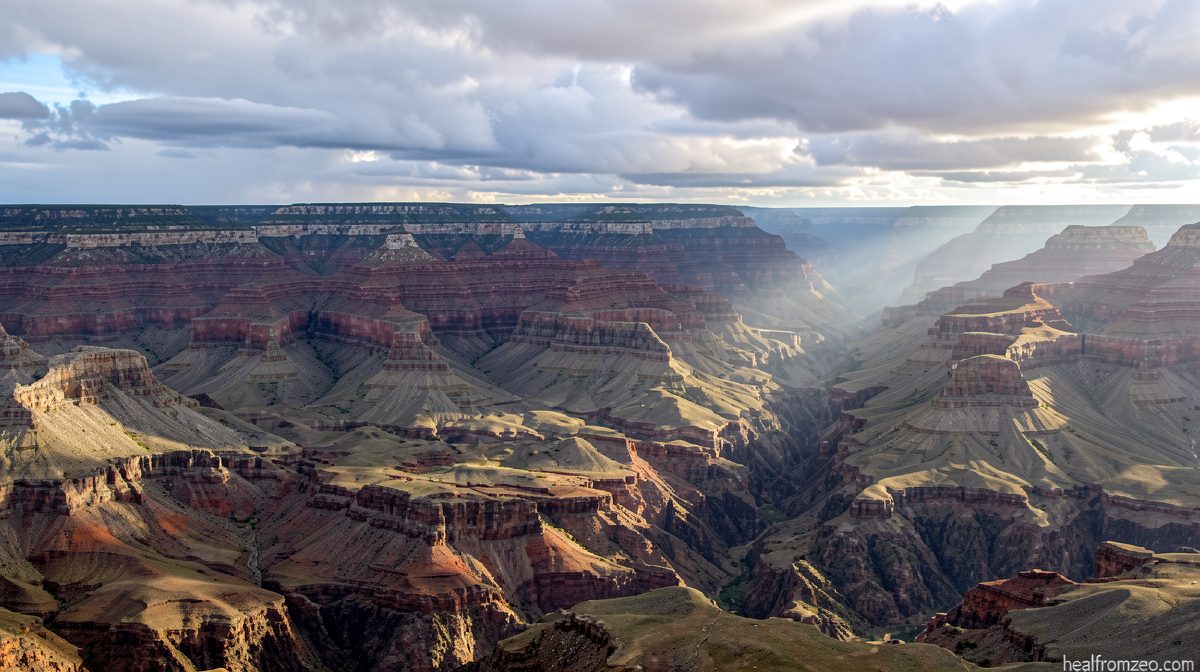
Healfromzero.com – A sudden and violent surge of water tore through one of the most heavily trafficked corridors in Grand Canyon National Park on Saturday, scattering hikers, destroying critical trail infrastructure, and leaving park authorities scrambling to locate people who may still be stranded in the canyon. By Sunday, at least 62 visitors had been pulled to safety, while roughly 15 individuals remained unaccounted for — a figure park officials described as a working estimate revised downward from an earlier count of 20.
The event struck Bright Angel Canyon and the Phantom Ranch area, two locations that together form the primary gateway for thousands of day-hikers and multi-day backpackers each year. The National Park Service characterized the episode as a “significant flash-flood event,” underscoring how quickly the narrow slot canyon can transform a gentle stream into a wall of churning water carrying logs, boulders, and sediment.
Evacuation and Search Effort
As of Sunday afternoon, no injuries had been confirmed among those already extracted. Rangers coordinated with the Arizona Department of Public Safety to plan further evacuations from Cottonwood Campground and Phantom Ranch later that day. Cottonwood Campground sits at the base of the Bright Angel Trail and serves as the staging point for most overnight descents into the canyon; Phantom Ranch, a historic cattle ranch turned visitor destination, lies just downstream and draws its own steady stream of tourists.
The agency urged anyone with information about hikers or backpackers who may have been in the affected stretch to call its tip line, emphasizing that the window for locating missing persons narrows as trail conditions deteriorate and water levels fluctuate.
Infrastructure Damage and Trail Access
The physical toll on the canyon’s built environment proved severe. Park officials stated that nearly every footbridge spanning Bright Angel Creek was destroyed, effectively severing hiker access across the stream at multiple points along the trail. Without those crossings, the Bright Angel Trail — long regarded as the most popular route into the canyon — faces a prolonged closure while replacement structures are engineered and installed.
Beyond the bridges, the floodwaters carved the creek bed wider, producing what observers described as a new river rapid where none had existed before. The altered channel geometry means that even after bridges are rebuilt, water levels and flow patterns will differ from what trail users have historically encountered, adding a variable that rangers will need to monitor closely.
A Hiker’s Account
David Gregory, who was descending with a small group when the flood cut short their trip, described the moment the situation became unmistakable.
“We realized the creek near camp was black with debris and flowing rapidly,” Gregory said.
His group was lifted out by helicopter and transported to a local high school before being arranged for overnight lodging at a nearby hotel. The rapidity of the extraction — from creek-side camp to airborne within minutes — illustrates both the danger of the event and the preparedness of the search-and-rescue assets stationed in the park during monsoon season.
Weather Context and Ongoing Risk
The flooding did not arrive in isolation. A series of storms battered the canyon on Saturday, beginning in the early morning hours and returning in the evening. Approximately one inch of rain accumulated over the preceding 24-hour period. By Sunday, showers had shifted mostly to the north rim, where rainfall rates as high as one inch per hour were recorded — a rate sufficient to generate flash flooding in confined canyon corridors within minutes.
Forecasters indicated that additional storms were possible overnight into early Monday. Rangers warned that any new rainfall, falling on already-saturated ground and debris-laden slopes, could trigger further flash flooding, debris flows, rockfall, and continued changes to trail and river conditions. For hikers planning trips in the coming days, the message from park management is clear: conditions remain volatile, and the canyon’s narrow drainage channels offer little warning before water arrives.
Why the Canyon Floods So Violently
Grand Canyon’s geography makes flash flooding a recurring seasonal hazard. Rain falling on the broad, flat plateau above the rim runs off rapidly into the steep-walled slot canyons below. Bright Angel Canyon, in particular, channels water from a large drainage area into a confined corridor only a few hundred feet wide at its lower reaches. Even modest rainfall upstream can produce a sudden, high-velocity surge downstream, often with little visible change in sky conditions at the canyon floor. Monsoon season, which typically peaks in July and August in the Southwest, amplifies this risk, and park officials routinely advise visitors to check forecasts and avoid creek crossings during or immediately after storms.
The Saturday event, while devastating to infrastructure and unsettling for those caught in its path, fits within the pattern of monsoon-driven flooding that the canyon experiences each year. What distinguishes this episode is the scale of structural damage and the number of people simultaneously in the affected zone — a reminder that even the most experienced trail users can be overtaken by water moving faster than human speed.
Related Reading
Frequently Asked Questions
What is 15 people may be missing after?
15 people may be missing after is the main topic of this guide. The article explains the context, practical details, and next steps readers should understand.
Why does 15 people may be missing after matter?
15 people may be missing after matters because readers are looking for a useful answer, not just a short summary. Good content should match search intent and help them decide what to do next.