
The world’s most livable city for 2026 has been revealed
The world’s most livable city for 2026 has been revealed
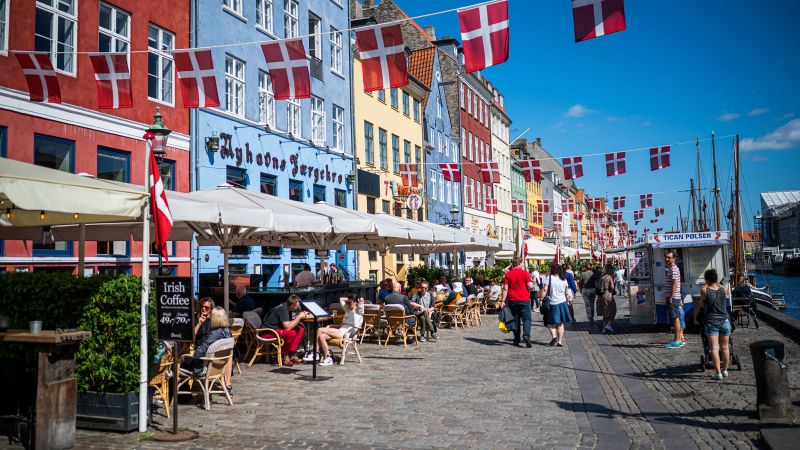
The world s most livable city – Amid a rapidly shifting global landscape, the annual livability rankings from the Economist Intelligence Unit (EIU) have once again highlighted a consistent leader—Copenhagen. The Danish capital retained its top position for the second consecutive year, surpassing Vienna, which had previously held the number one spot for three years. This year’s report, released on Tuesday, analyzed 173 cities worldwide across five key criteria: education, stability, healthcare, infrastructure, and cultural appeal. The findings reflect both enduring strengths and evolving challenges in urban environments.
Copenhagen’s Unbroken Reign
Copenhagen’s dominance in the rankings can be attributed to its “winning combination of excellent scores in stability and infrastructure, great culture and environment, and high quality of public services,” according to a spokesperson from the EIU. The city’s perfect scores in three categories—stability, infrastructure, and education—solidified its lead. Its reputation for sustainability, cycling-friendly streets, and robust social systems continues to set it apart. Meanwhile, Vienna, which had occupied the top spot for the past three years, fell to second place, marking a notable shift in the competition for livability.
“Copenhagen’s consistent performance underscores its commitment to long-term urban planning and quality of life,” said the EIU spokesperson. “This isn’t just about rankings—it’s a reflection of policies that prioritize residents’ well-being.”
Global Shifts and Regional Trends
The rankings also reveal broader regional trends. Western Europe, traditionally a powerhouse in livability, maintained its top spot but saw a slight dip in the average score compared to 2025. Asia, on the other hand, posted an increase of 0.3 points, driven by significant improvements in healthcare, particularly in cities like Fuzhou, China. Fuzhou climbed seven places to rank 93rd, highlighting the region’s progress in medical infrastructure and accessibility.
Meanwhile, the Gulf region experienced a decline in stability scores, influenced by the ongoing tensions with Iran. This affected several cities, including Muscat, Oman, which fell 14 positions to 123rd, and Kuwait City, which dropped 12 spots to 105th. These movements underscore how geopolitical events can ripple through urban rankings, altering perceptions of safety and economic security.
U.S. Cities and the Top 10
For American residents, the rankings show a mixed picture. New York City climbed three places to 66th, a rise attributed to improved stability metrics linked to lower crime rates and reduced concerns about terrorist threats. Despite this progress, Honolulu remained the highest-ranked U.S. city at 25th, though it slipped two positions from its prior standing. Vancouver, Canada, emerged as the sole North American city in the global top 10, securing the 9th spot. This achievement highlights the Pacific Northwest’s appeal as a hub for quality education and green living.
The top 10 list includes cities from across the globe, with Australia’s Melbourne rising one spot to third place. Sydney also made a significant leap, moving from sixth to fourth. Zurich, Switzerland, which shared second place with Vienna last year, dropped three positions, while Geneva stayed just behind at sixth. Osaka, Japan, retained its seventh-place position, and Adelaide, Australia, entered the top 10 at eighth. Tokyo rounded out the list at 10th, reinforcing its status as a vibrant metropolis.
“The EIU’s evaluation of healthcare systems across Asia has been transformative,” noted the EIU spokesperson. “Chinese cities like Fuzhou are now among the most improved, thanks to new long-term care insurance initiatives and expanded medical facilities.”
Emerging Contenders and Persistent Challenges
While Copenhagen and Vienna led the pack, the third to tenth places included a mix of European, Australian, and Japanese cities, demonstrating the diversity of factors that contribute to livability. Melbourne’s rise to third place, for instance, reflects its growing reputation for cultural vibrancy and educational excellence. Sydney’s leap from sixth to fourth further illustrates Australia’s strong presence in the rankings, with both cities benefiting from their progressive urban policies.
At the bottom of the list, Damascus, Syria, continues to hold the title of the least livable city. This position highlights the ongoing challenges faced by the region, including conflict and economic strain. Tehran, Iran, fell to 164th due to the impact of its war with the Middle East, while Kyiv, Ukraine, dropped to 166th. These declines are part of a broader pattern where cities in war-torn or politically unstable regions struggle to maintain high scores.
Why the Rankings Matter
The EIU’s annual report serves as a benchmark for cities seeking to enhance their quality of life metrics. By evaluating education, healthcare, stability, infrastructure, and culture, the rankings provide a comprehensive view of what makes a city attractive to residents and investors alike. For example, New York’s climb in the stability category signals a renewed sense of security, which is crucial for attracting talent and fostering economic growth.
However, the report also reveals regional disparities. While Western Europe remains the most livable region overall, its average score of 91.7 slightly lagged behind Asia’s 73.9, which saw a modest but meaningful rise. This shift highlights how cities in Asia, particularly in China, are gaining recognition for their healthcare advancements, which have become a key driver of livability in the region. The EIU’s decision to upgrade healthcare scores for Chinese cities reflects broader national efforts to expand medical access and improve public health services.
“The global average livability score remained stable this year because stability declines in the Middle East and healthcare gains in Asia balanced each other out,” explained Ana Nicholls, industry director at the EIU. “This shows how interconnected urban development and global events are.”
Looking ahead, the rankings suggest that cities with strong foundations in stability and infrastructure are likely to retain their positions, while those facing political or economic challenges may see declines. Copenhagen’s ability to maintain its lead despite global uncertainties highlights the importance of sustainable governance. For cities like Fuzhou, the rise in healthcare scores points to the transformative power of policy reforms in shaping urban livability.
Broader Implications
The 2026 report offers insights into the factors that define a city’s quality of life. Stability, often linked to safety and political reliability, remains a critical component. Infrastructure, including transportation and housing, continues to influence rankings, with cities like Vancouver and Copenhagen leading the way. Cultural appeal, which includes access to arts, recreation, and community engagement, also plays a significant role in attracting residents.
As the world grapples with rapid changes, the EIU’s rankings provide a snapshot of cities that are thriving and those that are adapting. For instance, the U.S. cities’ mixed performance—New York’s improvement versus Honolulu’s steady dominance—shows how different priorities can shape a city’s trajectory. Meanwhile, the Gulf region’s decline serves as a reminder of the fragility of stability in volatile environments.
The findings also emphasize the role of public services in enhancing livability. Copenhagen’s high scores in education and healthcare reflect its investment in community resources, while cities like Osaka and Adelaide demonstrate how infrastructure and environmental factors contribute to a city’s appeal. As urban populations grow, the EIU’s rankings will likely become an even more important guide for policymakers and individuals seeking the best places to live, work, and thrive.