
Supreme Court allows Texas to require age verification for mobile apps
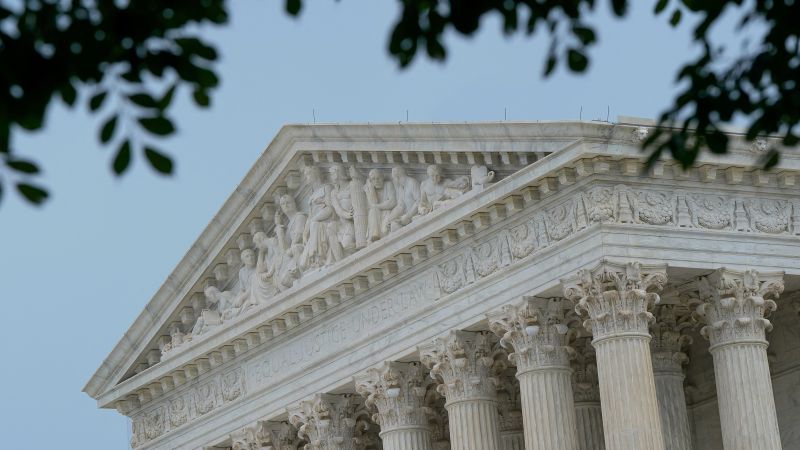
Supreme Court Allows Texas to Mandate Age Verification for Mobile Apps
Supreme Court allows Texas to require – On Monday, the U.S. Supreme Court granted Texas the authority to implement a state law that compels mobile app stores to confirm users’ ages and secure parental approval for minors downloading applications onto their devices. This decision marks another milestone in the ongoing debate over regulating digital content for young users, as it enables the state to enforce its requirements while the legal challenge unfolds. The court’s ruling, issued in an emergency appeal, was reached without a detailed explanation, leaving the rationale for its choice open to interpretation. No justices expressed dissent, signaling a unanimous agreement on the matter.
Background and Legal Context
Texas passed the law last year in response to growing concerns about the online safety of children. The legislation aims to protect minors from exposure to inappropriate content by requiring app stores to collect age information and obtain parental consent for their children’s installations. Critics, however, argue that the law infringes on constitutional rights, particularly the First Amendment, which guarantees freedom of speech. The computer industry and a coalition of students have raised objections, claiming that the policy imposes undue restrictions on digital platforms and limits the ability of users to access a variety of content.
The Supreme Court’s emergency docket decision, which permits the law to take effect, does not resolve the broader legal dispute. Instead, it allows Texas to enforce its requirements while the litigation continues. This approach means the law remains in place until the court provides a final ruling. The decision aligns with a trend of states adopting measures to tighten online regulation, with similar laws being debated in other jurisdictions. As the digital landscape evolves, lawmakers and advocates continue to grapple with the balance between safeguarding minors and preserving digital freedom.
Key Arguments and Industry Concerns
Texas presented its case to the Supreme Court by emphasizing that minors who download apps agree to contractual terms of service. These agreements, the state argued, include provisions that allow developers to track location data, sell information, and protect user privacy. By requiring parental consent, Texas asserts that these terms are made more transparent and that families can exercise control over their children’s online activities. “A minor child who downloads a software application from an app store agrees to contractual terms of service, including whether the child’s location will be tracked, whether the child’s privacy will be protected, whether information from the child’s phone can be sold by the developer, and whether the child waives the right to sue,” the state’s legal team stated in their brief.
“A minor child who downloads a software application from an app store agrees to contractual terms of service, including whether the child’s location will be tracked, whether the child’s privacy will be protected, whether information from the child’s phone can be sold by the developer, and whether the child waives the right to sue,”
However, the Computer & Communications Industry Association (CCI Association) contested the law, asserting that it would significantly restrict young people’s access to a wide range of content. The group, which includes major tech companies like Apple and Google, warned that the law could effectively block minors from using apps such as those featuring classic literature, popular music, or educational resources. “Be it a book by Ernest Hemingway or J.K. Rowling, a Taylor Swift album, or a subscription to National Geographic,” the association argued, “the law would impose a barrier on young users, undermining their ability to engage with digital speech.” The CCI Association further claimed that allowing the law to go into effect would have “profound consequences for the protection of digital speech,” highlighting concerns about free expression in the digital age.
Comparisons to Previous Rulings
This latest ruling echoes a similar decision made by the Supreme Court in the summer of 2025, when it allowed Mississippi to enforce a law requiring social media platforms to verify user ages and obtain parental consent for minors. In that case, the court did not explain its reasoning, but Justice Brett Kavanaugh, a conservative justice, issued a brief concurrence stating that the Mississippi law was “likely unconstitutional.” He noted, however, that the companies challenging the law had not provided sufficient evidence of harm from a temporary injunction.
Texas’ law, in contrast, is more comprehensive. While Mississippi’s measure targeted social media, Texas’ requirement applies to every mobile application available in its app stores. This broader scope has drawn attention to the potential implications of such policies. For instance, the law could affect everything from educational tools to entertainment apps, raising questions about its impact on both users and developers. The CCI Association has criticized the law for being overly broad, arguing that it could limit access to content even if it is not explicitly harmful to minors.
Legal Proceedings and Judicial Hierarchy
The Texas law faced immediate legal challenges after its enactment. In December 2025, a federal district court issued an injunction blocking the law’s enforcement, citing concerns about its constitutionality. The decision came just days before the law was scheduled to take effect, creating uncertainty for app developers and users alike. However, in early June 2026, a three-judge panel of the conservative 5th U.S. Circuit Court of Appeals temporarily halted the injunction, allowing Texas to proceed with implementation. The Supreme Court’s emergency appeal decision then reaffirmed this status, keeping the law in effect pending further review.
The court’s handling of the Texas case mirrors its approach to the Mississippi case, where it allowed the law to stand without fully addressing the constitutional arguments. This pattern suggests a willingness to defer to state legislatures on digital regulation, particularly when the issue involves the protection of minors. Yet, it also raises questions about the consistency of the court’s reasoning. In the Mississippi case, Justice Kavanaugh acknowledged the law’s potential unconstitutionality, while the Texas case received no such nuance. This difference highlights the evolving nature of the court’s stance on age verification policies.
Historical Precedents and Broader Implications
Age verification laws have been a focal point in the Supreme Court’s recent rulings. Last year, the court upheld a different Texas law that mandates age checks for pornographic websites, a decision that sparked significant debate. The adult entertainment industry challenged this law, arguing that it violated the First Amendment by limiting access to protected speech. Justice Clarence Thomas, writing for a 6-3 majority, upheld the law, with the court’s three liberal justices dissenting. This split underscored the ideological divide in the justices’ interpretations of digital rights.
The Texas app law, while similar in intent, is part of a larger push to regulate digital content across platforms. Its enforcement could set a precedent for other states to adopt comparable measures, potentially reshaping how users interact with mobile applications. The law’s impact extends beyond mere content restrictions; it also affects privacy, data collection, and the contractual relationships between users and developers. As the legal battle continues, the Supreme Court’s decision may influence future debates on digital governance and the role of states in shaping online behavior.
Conclusion and Ongoing Debate
The Supreme Court’s recent allowance of Texas’ age verification law for mobile apps has reignited discussions about the limits of digital regulation. While the decision enables the state to enforce its requirements, it leaves the core constitutional questions unresolved. The case now returns to the lower courts, where the debate will continue to unfold. For now, the law stands as a testament to the growing emphasis on protecting minors in the digital space, even as critics warn of its broader implications for free speech and innovation.
As the legal landscape shifts, the role of the Supreme Court in mediating state and federal conflicts over digital rights remains critical. The court’s handling of Texas’ case, alongside its earlier rulings on Mississippi and pornography, reflects a complex interplay of policy, law, and ideology. Whether this decision signals a broader trend or a temporary compromise, it underscores the challenges of regulating the internet in an era of rapid technological change. The outcome of this case will likely shape the future of digital content moderation, with far-reaching consequences for users, developers, and the legal framework governing online activity.