‘Read the air’: A Japanese hot spring expert shares some naked truths about naked bathing

‘Read the air’: A Japanese hot spring expert shares some naked truths about naked bathing
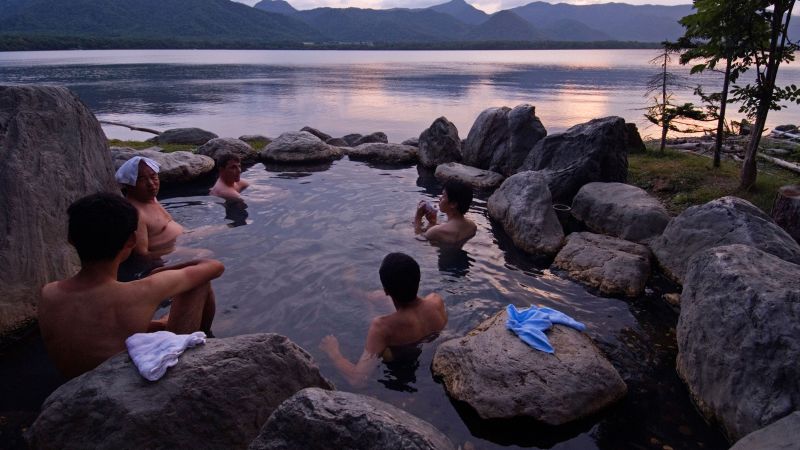
Read the air – Perched on a rocky prominence along Japan’s Izu Peninsula, the Kuroneiwa-buro hot spring is just a short distance from the Pacific Ocean. Waves crash against nearby boulders, their rhythmic motion almost within reach, while the thermal pool itself bubbles gently beneath the surface. This is the heart of Hokkawa Onsen, a small fishing village where the population has dwindled over the years, reflecting the broader trend of Japan’s aging demographic. It’s a place where young people often leave in pursuit of opportunities beyond the coastal community. Yet, on a quiet Monday afternoon, the scene was anything but typical.
A Misunderstanding in the Bathing Area
A foreign woman entered the onsen facility, her presence an unexpected sight in this serene setting. As she scanned the area, she immediately approached the source of the water — a pipe where steam rose in visible plumes. Without hesitation, she began splashing the scalding liquid onto her skin, her squeals echoing through the space. “Hot! Hot! HOT!” she exclaimed, leaping about as her skin turned a deep crimson. What she thought was a simple act of preparation turned into a brief spectacle, highlighting the cultural nuances of onsen etiquette.
“Not that water — you’ll burn yourself!” I shouted from the communal bath, watching her flinch at the intensity of the heat. “Use the bucket and scoop water from the bath, not the source.”
Her confusion was understandable. A sign near the entrance, hastily written in English, read: “Please pour hot water on yourself before bathing.” While technically accurate, the message missed the subtleties of local custom. In Japan, the initial rinse — known as kakeyu — is a ritual that requires precision. The water from the source is typically over 50°C (122°F), far too intense for a quick soak. The proper approach involves using a bucket to transfer the water to a nearby bath, allowing it to cool slightly before immersion. This simple distinction, though seemingly minor, can shape a visitor’s entire experience.
As a traveler myself, I’ve encountered similar moments throughout Japan. These small cultural missteps often reveal the depth of unspoken rules that govern onsen etiquette. From the mandatory nudity to the prohibition on tattoos, the customs can feel alien to outsiders. Yet, these traditions are more than just quirks; they are deeply embedded in the Japanese way of life. That’s why I became fascinated with onsen culture, almost like a return to my roots. Having grown up in Japan but spent most of my adult life in the US, I found myself relearning the art of soaking in thermal waters when I returned to the country.
The Essence of Onsen: More Than a Public Bath
While the term “onsen” is sometimes used to describe public bathhouses, it carries a specific meaning in Japan. True onsen refers to the natural thermal springs that emerge from the earth, their waters warmed by geothermal activity. The country is renowned as the world’s largest supplier of such springs, boasting over 25,000 sources. These springs are classified by pH levels, ranging from strongly acidic to strongly alkaline, and many facilities provide detailed charts explaining the mineral content and therapeutic benefits. Some of these waters are even used in medical treatments, underscoring their significance beyond leisure.
The Japanese take onsen with such reverence that there’s even an Onsen Law to ensure quality. According to this legislation, thermal water must naturally emerge from the ground at a minimum temperature of 25°C (77°F). If the water is cooler, it must still contain one of 19 minerals — such as sulfur, iron, or carbon dioxide — at regulated levels. This legal framework reflects the cultural importance placed on the purity and authenticity of onsen, making it a cherished tradition for locals and a point of curiosity for foreigners alike.
A Passion for Healing Waters
My journey to becoming an onsen sommelier began with a personal quest. I traveled over 1,900 miles, from Hokkaido’s northernmost reaches to Okinawa’s tropical shores, to explore the most extraordinary springs. Along the way, I worked in a traditional hot spring inn, immersing myself in the rhythms of the community. It was there that I realized how much of onsen culture is lost on outsiders — the subtle cues, the shared rituals, and the communal spirit that makes each visit unique.
When I returned to Japan, I found myself rediscovering the customs I’d once taken for granted. Even something as simple as naked bathing felt unfamiliar at first. The practice, central to the onsen experience, involves shedding clothes in the changing rooms before entering the baths. At first, the idea of being bare in front of strangers made me self-conscious. But as I immersed myself in the waters, I began to appreciate the freedom and connection it offered — a stark contrast to the more reserved norms of Western culture.
My goal became clear: to help foreigners navigate the complexities of onsen culture without losing the essence of what makes it special. After all, the onsen is not just about relaxation — it’s about immersion in a centuries-old tradition that blends natural beauty with social norms. This dual focus on comfort and compliance is what sets onsen apart from other forms of bathing. It’s a space where you can unwind, but only if you respect the unspoken rules.
One of the most striking aspects of onsen culture is its integration into daily life. Entire towns are built around these springs, their names often ending with “Onsen.” Take Fukuji Onsen, for instance, a remote community nestled deep in the mountains, about a five-hour train and bus journey from Nagoya. Its charm lies in its simplicity — just 11 inns, many over a century old, housed in renovated traditional buildings. At night, the glow of lanterns casts a warm, amber light over the terraces, creating an atmosphere that feels like stepping into another era.
Working at a 170-year-old farmhouse-turned-retreat in Fukuji Onsen, I developed an insider’s perspective on what makes a visit successful. From the subtle art of removing your shoes to the quiet expectation of silence in the baths, every detail contributes to the experience. It’s a delicate balance between personal comfort and collective harmony — one that requires patience, observation, and a willingness to adapt. By relearning these customs, I not only deepened my own connection to Japanese heritage but also aimed to share that knowledge with others, ensuring they could enjoy the onsen experience as it was meant to be.