Flowers under pillows and naked rituals: What really happens at Swedish Midsummer

Swedish Midsummer: Flowers, Rituals, and Naked Traditions
Flowers under pillows and naked rituals – Sweden’s Midsummer festival is a time-honored celebration steeped in ancient customs, blending folklore and modern festivity. The event, marked by vibrant flower traditions and naked rituals, has gained global recognition after a viral YouTube video featuring actress Alicia Vikander showcased the iconic “frog dance” during her appearance on Jimmy Kimmel. This unique blend of cultural heritage and playful expression highlights the festival’s deep roots in pagan beliefs while making it a lively, communal experience for participants of all ages. The tradition of placing flowers under pillows and embracing naked rituals remains a central part of the celebration, uniting people in a shared sense of joy and ritual.
The Summer Solstice and Its Sacred Origins
Midsummer, or “Midsommarafton,” celebrates the summer solstice, the longest day of the year, and has been observed in Sweden for over a thousand years. Its origins trace back to pre-Christian pagan practices, where the sun was revered as a life-giving force. Over time, these rituals have evolved, but the core elements—such as the maypole dance and the use of flowers—persist. The tradition of flowers under pillows and naked rituals continues to symbolize fertility, renewal, and a connection to nature, reflecting the deep spiritual significance once attributed to the event.
“Everyone from five to 95 in Sweden knows the frog dance and does it every year,” remarked Alicia Vikander, who popularized the ritual in a YouTube clip. Her explanation of the celebration’s cultural roots helped rekindle global interest in this time-honored custom.
Midsummer Rituals and Symbolism
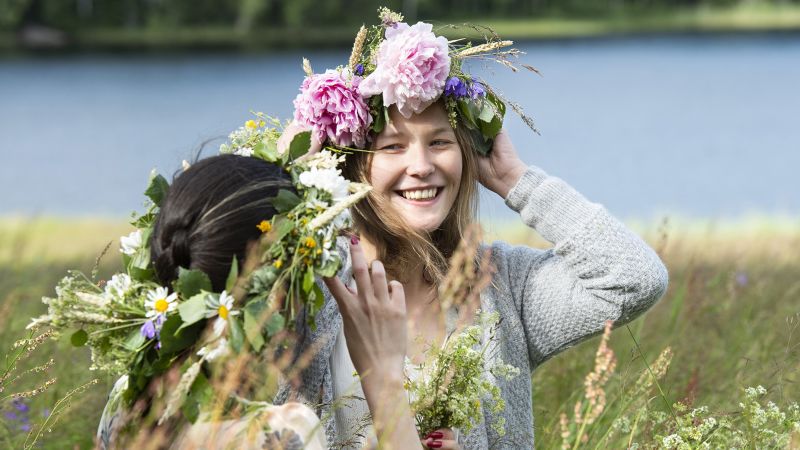
Midsummer traditions are rich with symbolic meaning, many of which center around the idea of fertility and the sun’s power. One of the most iconic practices involves the flower-gathering ritual, where participants collect blooms to place under their pillows, a custom tied to the belief that dreams on Midsummer night will reveal future spouses. This tradition, paired with the naked rituals of rolling in grass or dancing barefoot, reinforces the festival’s connection to nature and its ancient pagan origins. These activities are not just fun—they are a way to honor the cycles of the earth and the community’s collective identity.
At the heart of the festival is the maypole, a towering pole adorned with ribbons and flowers that becomes the focal point of communal dancing. The “frog dance,” performed in a circle with high kicks and hand movements, is a lively expression of the season’s energy. While the maypole and its associated rituals are well-documented, the naked traditions—like rolling in the grass or wearing minimal clothing—add an element of raw, unfiltered joy to the celebration. These practices, rooted in the belief that the sun’s warmth can purify and rejuvenate, remain a defining feature of Midsummer.
Traditional Foods and Festive Atmosphere
The Midsummer feast is a sensory celebration of Sweden’s agricultural bounty, featuring dishes like pickled herring, smoked salmon, and strawberry-based desserts. These foods are often enjoyed alongside snaps, a strong aquavit spirit, and folk songs that echo through the festivities. The combination of cuisine, music, and dance creates a festive atmosphere that is both communal and deeply symbolic. While the flower traditions and naked rituals are central to the event, the shared meal further strengthens the bonds of friendship and family, reinforcing the importance of togetherness during this special time.
Skansen: A Living Archive of Midsummer
Sweden’s largest open-air museum, Skansen in Stockholm, offers a vivid glimpse into the country’s Midsummer heritage. As the world’s oldest such museum, it preserves traditional practices through reconstructed homes, farms, and cultural displays. Midsummer Eve at Skansen features wreath-making workshops, markets selling regional crafts, and the grand maypole ceremony, which draws crowds eager to participate in the dance. The integration of flower traditions and naked rituals into these events ensures that visitors experience the festival’s historical and cultural depth firsthand.
Midsummer is more than a seasonal festival—it is a cultural phenomenon that bridges past and present. The flower under pillow tradition and naked rituals, though seemingly simple, carry centuries of meaning, reflecting a deep reverence for nature and the cycles of life. As the sun sets on Midsummer Eve, the celebration reaches its peak, with music, dance, and shared rituals uniting participants in a timeless, joyous experience. Whether through the maypole’s vibrant presence or the act of rolling in the grass naked, the festival continues to captivate and inspire.