Cave diving is fraught with danger, but the reward is sights like nothing else on Earth

Cave Diving’s Perilous Beauty
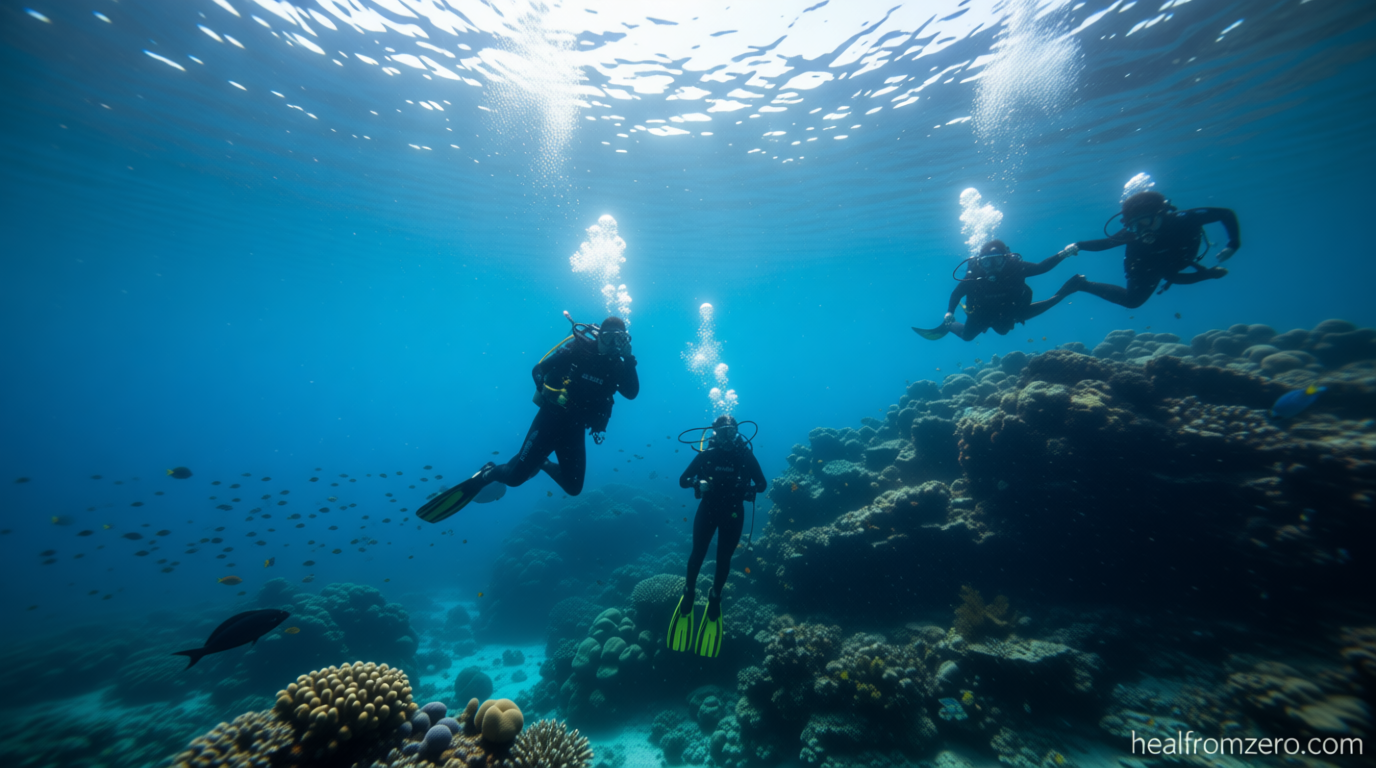
Cave diving is fraught with danger, yet the allure of its hidden wonders draws adventurers into the depths of the Maldives’ submerged caves. These natural tunnels, carved by centuries of ocean currents and geological activity, offer a glimpse into an untouched world where sunlight never reaches. The recent incident in Vaavu Atoll, where five Italian divers met tragic ends, has intensified scrutiny on the risks associated with this extreme activity. Despite advanced training, the complexity of the environment and unpredictable conditions can turn a routine dive into a life-threatening challenge.
The Hidden Risks of Submerged Exploration
The accident that claimed the lives of the Italian divers on May 14, 2024, serves as a stark reminder of the dangers inherent in cave diving. Local authorities reported that the group had ventured beyond the standard 30-meter limit, navigating a labyrinth of tunnels that can stretch for kilometers. Their fate was sealed when a combination of disorientation and equipment failure led to their entrapment. Among the victims was Gianluca Benedetti, a respected diving instructor, whose body was recovered near the entrance, while the others were found in the cave’s deepest chambers. This event has sparked debates about the necessity of stricter safety measures in such remote and complex environments.
Cave diving demands an unwavering commitment to precision and preparedness. Divers rely on a single guideline and their flashlight as tools to navigate the dark, making each step a calculated risk. The Maldivian caves, with their tight passageways and unpredictable currents, test even the most experienced professionals. “You have to be ready for the unexpected,” said Vladimir Tochilov, a technical diving instructor who has explored these systems. “The water can shift, the visibility can vanish, and the consequences are immediate.” This dependency on a thin thread of light and a single line of communication underscores the vulnerability of cave divers in the face of the unknown.
The Rewards of Braving the Depths
For many, the dangers of cave diving are outweighed by the extraordinary rewards. The Maldives’ underwater caves, with their intricate formations and bioluminescent life, create a surreal environment that few have seen. Jill Heinerth, a veteran diver, described the experience as “a gateway to another world,” where the silence of the deep and the alien beauty of the caves evoke a profound sense of awe. “It’s not just about the physical challenge—it’s about the stories we uncover and the lives we touch,” she said. The recent tragedy has only deepened the appreciation for these rare and breathtaking landscapes, as they now symbolize both the thrill and the peril of exploration.
Despite the risks, cave diving is fraught with opportunities for discovery. The submerged tunnels, which often span multiple kilometers, house ecosystems that have evolved in isolation. These caves are not just geological marvels but also critical habitats for unique marine species. Heinerth, who has mapped over 100 such sites, emphasized the importance of understanding these environments. “Every cave has its own character—some are like museums, others like dungeons,” she noted. The Italian divers’ accident highlights how quickly these environments can turn from wonder to danger, reinforcing the need for constant vigilance and adaptive techniques.
Preparing for the Impossible
Before venturing into the abyss, cave divers undergo rigorous training to master the art of survival in darkness. Heinerth, known for her expertise in technical diving, stressed the importance of mental preparation. “The last step I take is leaving emotions on the surface,” she explained. “You really have to stay in a pragmatic mind, ready to handle any crisis.” This mindset is crucial, as cave diving is fraught with challenges that can escalate rapidly. From navigating tight crevices to managing air supply, each aspect requires meticulous planning and split-second decision-making. “It’s like being in a game of chess with no chance to retreat,” Tochilov added, underscoring the high stakes of every dive.
“The deeper you go, the more you realize how fragile human presence is in these environments,” Heinerth reflected. Her words echo the sentiment of many who have explored the Maldivian caves, where the beauty of the underwater world is matched only by its unpredictability. While the accident has raised concerns about safety protocols, it has also fueled a renewed interest in the sport, as adventurers seek to balance the risks with the rewards of uncovering nature’s secrets. Cave diving is fraught with danger, but for those who embrace it, the journey into the unknown is worth every breath taken in the dark.