Tony Romo was brutally honest about his arrest and revealed a painful truth about life after football

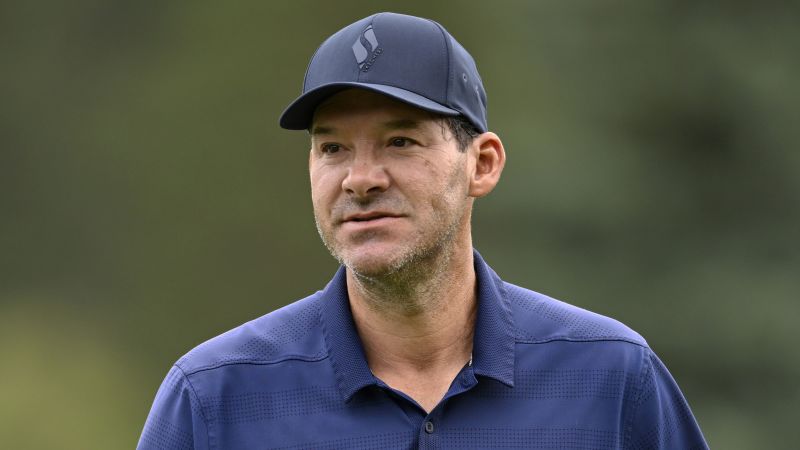
Tony Romo Was Brutally Honest About Life After Football
Healfromzero.com – Tony Romo was brutally honest about what happens when the stadium lights finally go out. The former Dallas Cowboys quarterback, now a lead analyst on CBS’s NFL broadcast team, stepped into a conversation most retired athletes avoid: the slow, grinding aftermath of a body spent over a decade colliding with other men at full speed. Speaking publicly last week, he laid bare a chain of events — surgeries, chronic pain, medication dependence, and alcohol — that led to his arrest in Wisconsin and a no-contest plea to a civil offense for operating while intoxicated.
The Arrest and What Came Before It
Milwaukee County Sheriff’s Office bodycam footage captured the moment of his detention last month, a stark image at odds with the affable, clean-cut persona he had built in the broadcast booth. In a written statement, Romo confirmed the plea and then did something rarer: he explained the causal pathway that produced the night. Multiple back surgeries, he wrote, ended his playing career earlier than expected and left him with constant, debilitating pain. That pain bred a dependence on prescription analgesics, and his attempts to wean himself off those drugs spiraled into an over-reliance on alcohol.
“None of this is an excuse. These are my failures, and I take responsibility for them.”
He was explicit that no external factor absolved him of agency. The surgeries meant to restore function had instead shortened his window, and the residual ache that outlasted the career demanded management strategies that, in his case, crossed into dependency. The body built for competition became the very structure that imprisoned him afterward.
A Pattern Shared Across Sports
The parallel with Tiger Woods is difficult to ignore. Woods, due back in court this Wednesday to face criminal charges stemming from an earlier crash this year, was found with prescription painkillers in his pocket when police connected him to the accident. He subsequently sought treatment and spent several weeks in Switzerland. His career, powered by violent rotational swings, had exacted a heavy toll on his back and knees, and multiple prior crashes have been linked to the same class of medication.
Golf and football sit at opposite ends of the contact spectrum, yet the post-career trajectory they produced for these two men follows a recognizable arc: peak physical output, cumulative structural damage, chronic pain management, and the temptation of substances that dull the signal. The common thread is not the sport itself but the body’s inability to fully recover from years of elite-level mechanical stress.
Turning Toward the Next Chapter
The statement did not end at confession. Romo pointed to the discipline football instilled as the framework for rebuilding, writing that the game had taught him “the power of relationships, the strength of a team and the toughness to face failure head-on with honesty, resilience and the determination to do better.” He extended that lesson to his household, addressing his three young sons with a principle he framed as both simple and demanding: when you fall short, you stand up and take full responsibility, then examine the path that brought you here and make the changes necessary to move forward.
He indicated he is now collaborating with a team of physicians to develop a more sustainable approach to managing his pain as he works toward resuming his broadcasting duties. He described the past month as both difficult and personally formative, requiring him to confront his mistakes fully — to God, to himself, to his family — before stepping back into the booth.
Frequently Asked Questions
What charges did Tony Romo face, and what was the outcome?
Romo was arrested in Wisconsin on suspicion of operating a vehicle while intoxicated. He entered a no-contest plea to a civil offense for operating while intoxicated, meaning no criminal conviction was entered. Bodycam footage from the Milwaukee County Sheriff’s Office was released publicly.
How did his back injuries connect to the arrest?
Romo explained that multiple back surgeries ended his playing career early and left him with chronic, debilitating pain. That pain led to dependence on prescription pain medication, and his efforts to discontinue those medications resulted in an over-reliance on alcohol, which culminated in the incident.
Is he returning to his CBS broadcasting role?
Yes. Romo stated he is working with a team of physicians to develop a sustainable pain-management plan and is moving toward resuming his duties as a lead analyst on CBS’s NFL coverage.
How does his situation compare to Tiger Woods’ recent legal issues?
Both men are former elite athletes whose careers exacted heavy structural damage on their spines. Both faced traffic incidents connected to substance use — Woods to prescription painkillers found in his vehicle, Romo to alcohol following a medication-dependence cycle. Woods faces criminal charges and spent several weeks in treatment in Switzerland; Romo resolved his matter with a civil no-contest plea.