Why the count will go on in California

Why the count will go on in California
Why the count will go – California’s election cycle often extends well beyond the official voting day, a pattern that has persisted despite efforts to streamline the process. This year, the state is once again facing delays in finalizing results, with the counting of ballots continuing for days after the polls close. The extended timeline is attributed to several factors, including the state’s massive electorate and its robust mail-in voting infrastructure, which results in a staggering volume of ballots needing to be processed. With the recent election, the delay has sparked discussions about how the counting process works and its implications for the outcome of key races.
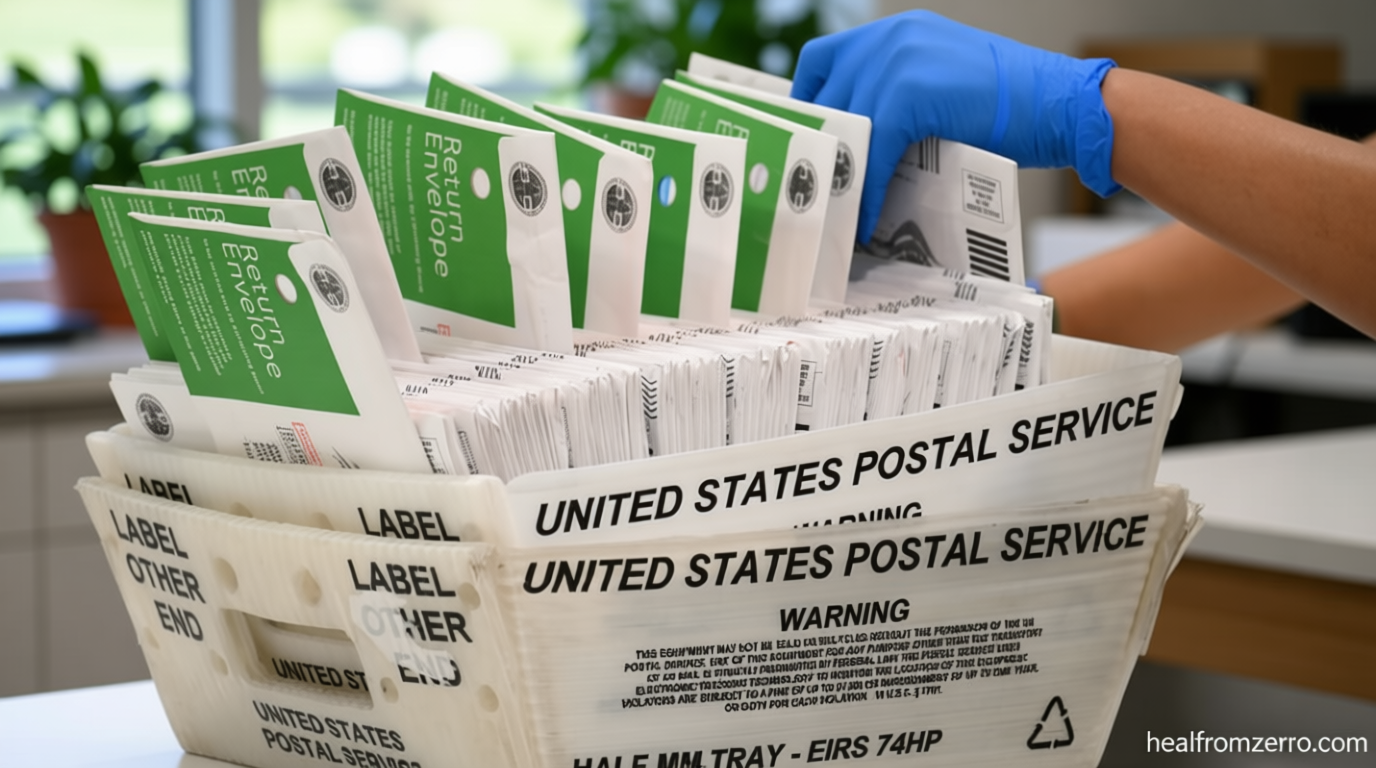
One of the primary reasons for the prolonged counting period is California’s universal vote-by-mail system. Unlike states where voters cast ballots in person, California requires every registered voter to receive a ballot by mail, which must be returned by the election day deadline. However, the law allows ballots to be received at local election offices up to seven days after the voting day, as long as they are postmarked on or before the final day. This flexibility ensures that voters have ample time to mail their ballots, but it also complicates the timeline for announcing results. County officials must manually verify each ballot before it can be tallied, a process that becomes more time-consuming as the volume of mail-in ballots increases.
The 2024 general election highlighted this dynamic, with mail ballots accounting for over 80% of the 16.1 million votes cast that November. Typically, county election officers begin tallying ballots received before the election day as they arrive, releasing preliminary results quickly. But the extended window for receiving mail ballots means that a significant portion of votes may not be counted until days later. This delay has become a defining feature of California’s electoral process, with the final tally often influenced by votes submitted in the aftermath of Election Day.
For the gubernatorial race, Democratic former U.S. Health and Human Services Secretary Xavier Becerra emerged as a strong contender for one of the two open seats. His position in the race is bolstered by historical trends showing that later-arriving mail ballots tend to favor Democratic candidates. However, this year’s results suggest a shift in voter behavior, with Democratic voters appearing to return their ballots at a slower pace than in previous elections. According to data from Political Data, Inc., a Democratic-aligned firm, this trend could amplify the Democratic skew in the final count, potentially altering the outcome of the race.
The other gubernatorial slot remains highly contested, with Republican former Fox News host Steve Hilton and Democratic billionaire investor Tom Steyer vying for the second position. Los Angeles Mayor Karen Bass, who advanced to the November election, initially held a lead in early results. But updates later revealed that Republican former reality TV star Spencer Pratt had slipped behind her, losing ground to progressive city councilmember Nithya Raman. This development, combined with the anticipated Democratic shift in later ballots, has left the second spot in limbo. Analysts note that the extended counting period introduces uncertainty, as final results may not align with early projections.
As the counting continues, candidates and their teams are preparing for a prolonged race. Tom Steyer’s campaign emphasized that a larger proportion of Democratic votes may come in after the initial tally, a departure from previous elections. This could lead to a more pronounced Democratic advantage in the final stages of the count. Meanwhile, Steve Hilton, backed by former President Donald Trump, has criticized the slow pace of results. In a recent interview with CNN, he described the system as “ridiculous,” arguing that delays could undermine public confidence in the electoral process. “It’s hard to see how the results can be trusted if they take days or even weeks to be finalized,” Hilton said, calling for a more efficient approach to ballot counting.
The extended counting period also raises questions about the efficiency of California’s election infrastructure. With millions of ballots to process, counties face the challenge of balancing speed with accuracy. Manual verification is crucial to ensure each ballot meets the state’s requirements, including proper signatures and addresses. This meticulous process, while necessary for integrity, contributes to the time lag in finalizing results. Some experts argue that the state’s reliance on mail-in ballots has become a double-edged sword, offering greater accessibility for voters but complicating the timeline for certifying winners.
Despite the delays, California’s election system remains a model of voter engagement, with mail-in ballots enabling participation from a diverse electorate. The state’s decision to adopt a universal vote-by-mail approach has been praised for its inclusivity, particularly for elderly, disabled, and rural voters. However, the process also underscores the importance of transparency and careful oversight in ensuring that every vote is accurately accounted for. As the count progresses, stakeholders will be watching closely to see how the final tally unfolds, with the extended period providing both opportunities and challenges in determining the winner.
Political observers highlight that the delayed results can have a significant impact on media coverage and public perception. Early reports may favor one candidate over another, but the final count could reveal a different narrative. For example, the initial lead of Karen Bass in the first reports was later adjusted as more ballots were processed, illustrating how the extended timeline can reshape the race. This fluidity in results has become a hallmark of California’s elections, where the outcome is not always clear until the very end. The process also allows for the inclusion of votes from voters who may have returned their ballots just before the cutoff, adding an extra layer of complexity to the tally.
As the state’s election officials work to finalize the results, the delay has become a topic of discussion among voters and political analysts alike. While some view the extended counting period as a necessary measure to ensure accuracy, others argue that it could be improved to reduce the time between voting and certification. The process has also drawn comparisons to other states with similar systems, where the final tally can take weeks to complete. With the current election being a pivotal moment for California’s political landscape, the ongoing count will be closely monitored to determine the final winners and the broader implications for the state’s future.
“It’s hard to see how the results can be trusted if they take days or even weeks to be finalized,” said Steve Hilton, the Republican candidate in the California gubernatorial race, during an interview with CNN.
Ultimately, the counting process in California reflects the state’s commitment to ensuring every vote is counted. While the delay may seem cumbersome to some, it is designed to accommodate the unique demands of a large and diverse electorate. As the final ballots are processed, the extended timeline will continue to play a critical role in shaping the outcome of this year’s elections.