US military leader held rare meeting with senior Cuban military officials near US base at Guantanamo Bay

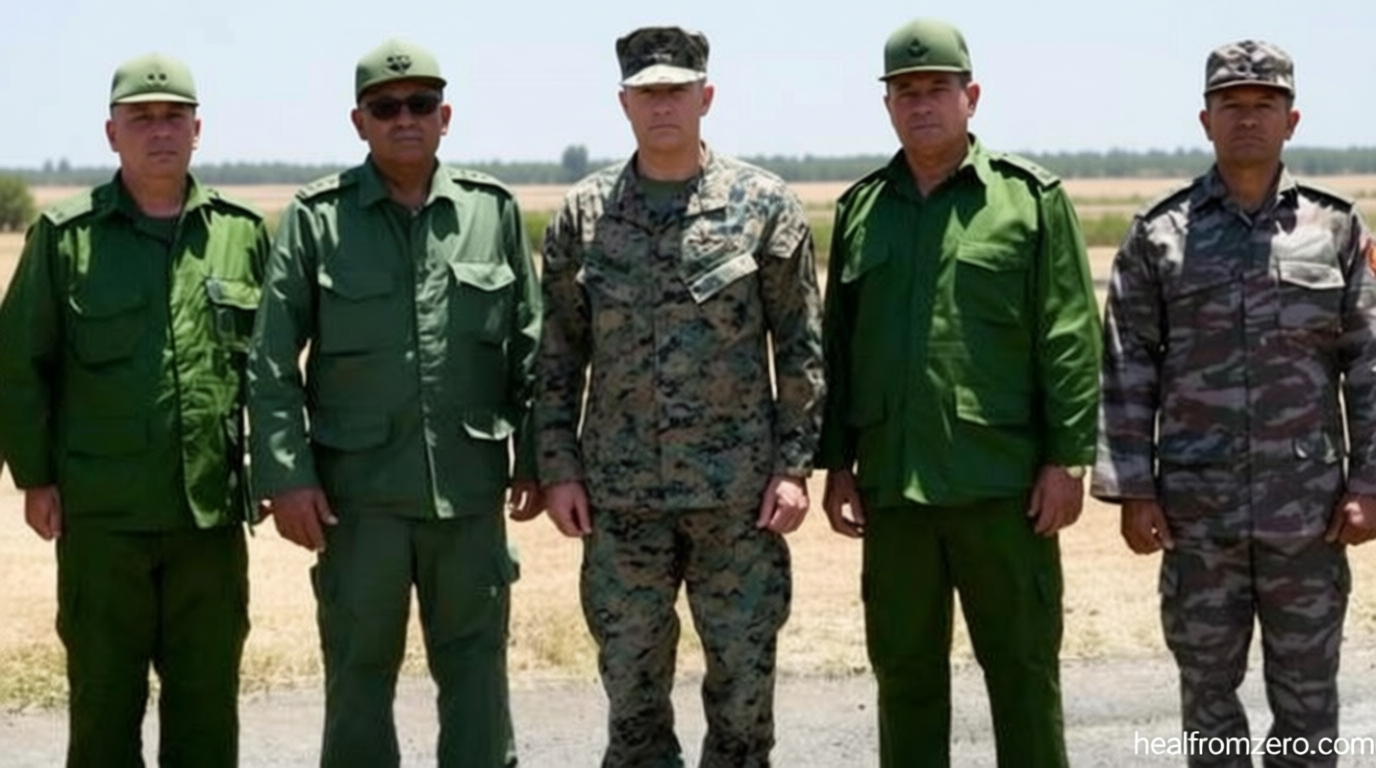
US Southern Command Commander Engages in High-Level Dialogue with Cuban Military Leaders at Guantanamo Bay
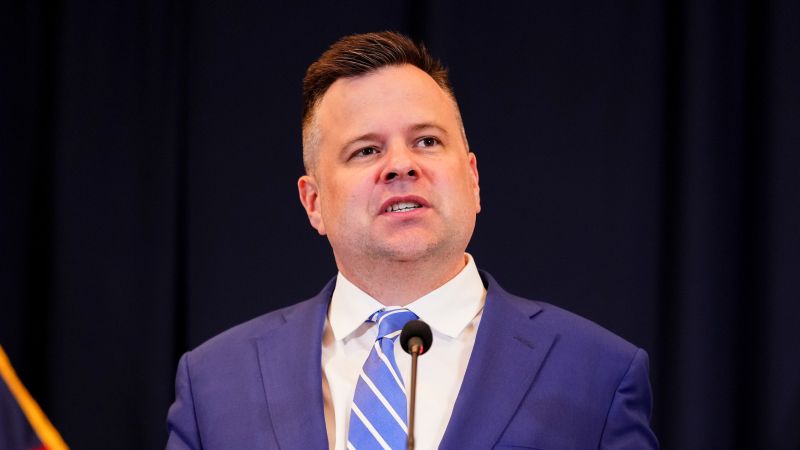
US military leader held rare meeting – On Friday, the head of the US Southern Command, General Francis Donovan, participated in a significant meeting with high-ranking Cuban military figures near the Guantanamo Bay Naval Station. This encounter took place on the perimeter of the base, which is situated in the southeastern region of Cuba. According to statements from SOUTHCOM, the meeting focused on exchanging insights about operational security protocols. This event marks a notable shift in recent diplomatic activity, as the two nations have not held such discussions in a while.
The Cuban Ministry of Defense issued a formal statement following the meeting, highlighting its positive outcome. The officials involved emphasized that the dialogue centered on security concerns surrounding the dividing perimeter of the military enclave. They also confirmed their commitment to sustaining communication channels between the two military commands. This exchange was described as a constructive step toward addressing shared challenges in the region.
“Both delegations considered the meeting to be positive, where issues related to security around the dividing perimeter of the military enclave were addressed and they agreed to maintain communication between both military commands.”
Amid this meeting, the US military has been intensifying its presence near Cuba, with the USS Nimitz carrier strike group recently arriving in the Caribbean. This deployment underscores the strategic importance of the area and the heightened tensions between the two countries. The meeting occurred shortly after Cuban President Miguel Díaz-Canel issued a warning about the potential for a US military assault on the island. He stated that such an action would lead to a “bloodbath with incalculable consequences,” reflecting growing concerns over the US’s military posture.
Donovan’s visit follows a series of recent interactions between US and Cuban officials. Previously, routine “fence line” meetings had been held monthly at the Guantanamo Naval Base. However, these exchanges were halted since President Donald Trump assumed office for his second term. The resumption of high-level talks suggests a recalibration in the relationship, albeit under the shadow of ongoing disputes.
During the meeting, Donovan led a security assessment of the Guantanamo Bay facility, discussing key aspects such as force protection, the safety of service members and their families, and the operational readiness of the base. These topics highlight the US’s focus on maintaining control and ensuring the effectiveness of its military presence in the region. The Cuban officials present were reportedly engaged in the conversation, providing input on security measures and their role in the broader context of the US-Cuba relationship.
The US has long accused Cuban authorities of facilitating Russian and Chinese listening posts on the island, which it claims undermine its regional influence. These allegations have been a central point in the administration’s strategy to exert pressure on the Cuban government. In recent weeks, the US has implemented a combination of legal and economic measures aimed at curbing Cuban activities. This includes new sanctions targeting the country’s main intelligence agency and interior ministry, as well as a sustained oil blockade that began in January.
The oil blockade has had severe repercussions on Cuba’s economy, contributing to widespread power outages, food shortages, and fuel crises. These challenges have intensified in recent months, as the US continues to apply pressure through trade restrictions and financial penalties. The Cuban government has criticized these actions, arguing that they disrupt the nation’s ability to maintain its own security infrastructure and economic stability.
Adding to the tension, former Cuban President Raúl Castro was recently indicted in a long-standing prosecution that has been developing for over three decades. The Justice Department announced the charges as part of broader efforts to target key figures within the Cuban regime. This development has prompted the administration to unveil new sanctions, with Secretary of State Marco Rubio hinting at further measures in the coming days and weeks. “Additional sanctions actions can be expected in the following days and weeks,” Rubio stated, signaling a continued push for economic pressure.
The meeting between Donovan and Cuban officials comes at a critical juncture in US-Cuba relations. While both sides expressed willingness to engage, the underlying issues remain unresolved. The US’s military buildup near Cuba and its allegations against the country’s intelligence operations have created an environment of mutual suspicion. Meanwhile, the Cuban government has been navigating internal challenges, including economic hardship and political reforms, as it seeks to balance its commitments to regional alliances with its need for international support.
Historically, the Guantanamo Bay base has served as a focal point of US-Cuba interactions. The area, which has been under US control since the 1960s, has often been a site of diplomatic friction. The recent meeting marks a potential thaw in this dynamic, as both nations attempt to find common ground. However, the broader geopolitical landscape continues to complicate these efforts, with Cuba positioned as a strategic player in the Western Hemisphere.
As the US and Cuba navigate their complex relationship, the outcomes of such meetings will likely shape the trajectory of their interactions. The renewed dialogue may pave the way for improved coordination on security matters, but it also reflects the ongoing competition for influence in the region. With the Cuban government facing mounting pressure, the role of its military officials in these discussions is becoming increasingly important.
This story has been updated with additional information. CNN’s Patrick Oppmann contributed to this report.