
Trump says he’s holding Canada responsible for wildfire smoke and threatens higher tariffs
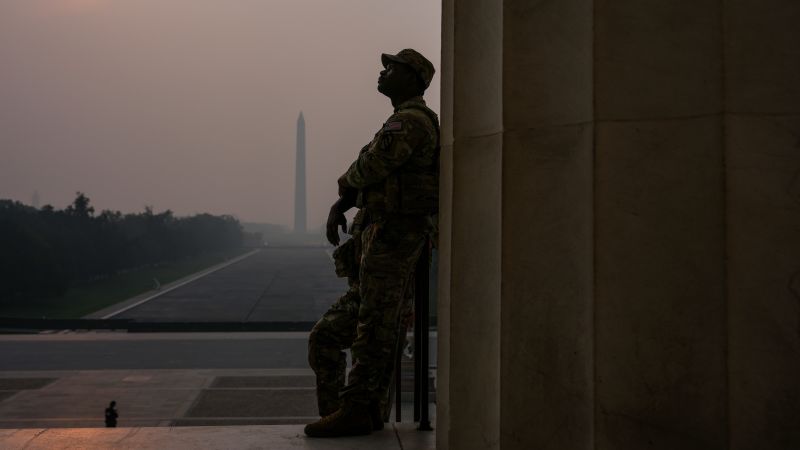
Trump Links Wildfire Smoke to Canada, Proposes Tariff Increases
Smoke Crisis Sparks Diplomatic Tensions
Trump says he s holding Canada – President Donald Trump announced on Friday that he is placing blame on Canada for the persistent wildfire smoke blanketing large portions of the Midwestern and eastern United States. In a series of statements, the president vowed to contact Prime Minister Mark Carney directly, proposing that the financial burden of this environmental pollution should be incorporated into the existing tariff structure imposed on Canadian goods.
The situation has escalated significantly, with air quality alerts now affecting more than 100 million residents across 18 states and the District of Columbia. The affected region spans from northeast Minnesota down to southeast Virginia, where air quality levels have been classified as both “very unhealthy” and “hazardous” by monitoring stations.
We are holding Canada responsible for the fact that they are not properly maintaining their Forests, and Brush therein, and the United States is being unnecessarily invaded by filthy, polluted, and unhealthy air, the quality of which is dangerous, and totally unacceptable!
Trump expressed his frustration through a Truth Social post, emphasizing what he characterized as inadequate forest management practices in Canada. The president indicated that he would speak with the Prime Minister later that day to determine what actions Canada might take to address the issue.
Willful Negligence and Economic Consequences
According to Trump’s assessment, this recurring problem represents a pattern of deliberate oversight that imposes substantial financial strain on the American economy. He described the situation as a yearly event that drains billions of dollars from the United States, arguing that these costs should logically be transferred to Canadian tariffs.
I will call the Prime Minister during the day to find out what they are going to do about it. This is Willful Negligence, and becoming a yearly occurrence, costing the United States Billions of Dollars, which cost of this pollution must of necessity be added to the TARIFFS Canada is currently paying.
Broader Trade Relationship Under Scrutiny
The smoke controversy arrives amid heightened tensions between the two nations. Following a Supreme Court decision that prevented Trump from utilizing emergency powers to impose tariffs, the president has pivoted to alternative legal mechanisms. These alternative statutes mandate investigation periods and public comment phases, which have consequently slowed the overall tariff implementation timeline.
Despite these procedural delays, the Trump administration has maintained its commitment to restoring America’s effective tariff rate to levels observed earlier in the year, prior to the Supreme Court’s significant ruling. This goal remains a priority for the administration as it navigates the legal landscape.
Canada has consistently been a focal point of Trump’s trade policy, with the president reserving some of his most aggressive tariff measures for America’s northern neighbor. Throughout his presidency, Trump has leveled accusations against Canada regarding what he describes as unfair practices in lumber trade and the relocation of American automotive manufacturing jobs to Canadian facilities.
USMCA: Protection and Uncertainty
Notwithstanding Trump’s well-documented animosity toward Canada, the country has benefited considerably from the United States-Mexico-Canada Agreement, commonly known as USMCA. This trade pact, which Trump personally negotiated during his first presidential term, shielded thousands of products from the steepest tariff rates that the administration had imposed on other trading partners.
The agreement provided substantial economic insulation for Canadian exporters, allowing them to maintain competitive access to the American market. However, this protective framework faces potential disruption, as the Trump administration recently chose not to extend the USMCA in its existing configuration. This decision, made earlier this month, could fundamentally alter the trade relationship between the two countries in the coming years.
The combination of environmental concerns and trade policy adjustments suggests that the Trump administration is positioning itself for a more confrontational approach to its relationship with Canada, potentially combining multiple policy tools to address what it perceives as unfair treatment across various sectors.
CNN’s David Goldman contributed to this report.