
Trump pardons 11 people, including several for Clean Air Act violations
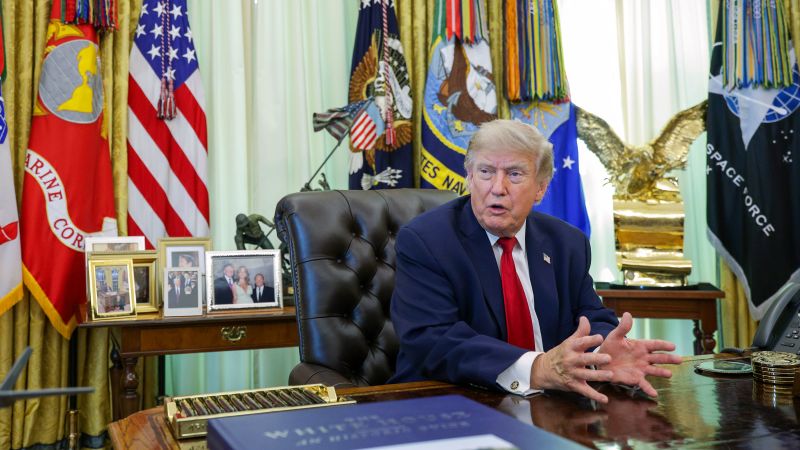
Trump Pardons 11 Individuals, Including Those Charged Under Clean Air Act
Trump pardons 11 people including several – On Friday, President Donald Trump granted pardons to 11 people, a White House representative confirmed to CNN. Among the recipients were several individuals accused of breaching the Clean Air Act, which was designed to reduce emissions and enhance air quality. The administration’s decision to pardon these individuals has sparked renewed debate over the role of executive power in environmental law enforcement.
Political Motivation Behind the Pardons
Earlier that day, Trump disclosed he had approved pardons for six individuals, whom he claimed were “persecuted by the Biden Administration” for violating clean-air regulations. In a post to Truth Social, he emphasized that these people were “in, or being sent to, prison for ‘fixing their car.’” He further asserted that their cases were examples of a Justice Department that had been used as a “weapon” against them.
“It is my Great Honor to have just signed Pardons for six people who were persecuted by the Biden Administration, and were in, or being sent to, prison, for ‘fixing their car,’” Trump wrote, framing the pardons as a victory against what he described as an overreaching legal system.
While the president’s post did not specify the names of those pardoned, a senior White House official later provided CNN with the full list of 11 individuals. This detail added clarity to the administration’s actions, which had been under scrutiny for their focus on environmental violations. The pardons highlight the recurring theme of executive influence in shaping legal outcomes, particularly in cases involving emissions standards.
Cases of Clean Air Act Violations
Among the pardoned were Joshua Davis, a former executive who had been on probation for his role in a settlement involving the Environmental Protection Agency. In 2023, the EPA revealed that Davis and several Illinois-based companies had agreed to cease manufacturing and distributing devices that bypass emission controls. These “Aftermarket Defeat Devices” were linked to air quality degradation, prompting the settlement that required the payment of $600,000.
Other recipients included Matt Geouge, who had been convicted for conspiracy to violate the Clean Air Act by selling defeat devices. His 2022 sentencing from the Western District of North Carolina also covered tax evasion charges, underscoring the multifaceted nature of the cases. Jonathan Achtemeier, another individual pardoned, had pleaded guilty to tampering with emissions monitoring systems on hundreds of vehicles, a charge detailed in a Western District of Washington news release.
Tim Clancy, from the District of Oregon, was also among those released. His conviction centered on tampering with emissions controls, a common theme in the cases addressed by Trump. Meanwhile, Ryan and Wade Lalone, from western Michigan, were pardoned for their involvement in a scheme to disable semi-truck emission systems. The U.S. Attorney’s Office highlighted their probation sentences as part of a broader investigation into environmental compliance.
Impact on Environmental Enforcement
Trump’s pardons have intensified discussions about the administration’s approach to environmental law. By forgiving those accused of using defeat devices, he appears to be signaling support for industries that challenge federal regulations. Critics argue that this action could weaken enforcement of the Clean Air Act, which has long been a cornerstone of air pollution control. However, supporters view it as a necessary correction to what they see as excessive legal penalties.
The decision to pardon these individuals aligns with a broader pattern of executive clemency under Trump. His administration has historically prioritized expediting the pardon process, often bypassing lengthy bureaucratic reviews. This approach has allowed the president to act swiftly, even as the legal community debates the implications of such speed.
Administration’s Pardoning Process
According to a White House official, Trump had convened with senior advisers earlier on Friday to finalize the list of pardons. The process, which has been streamlined under his leadership, involves a select group of aides, including David Warrington, the special counsel, Susie Wiles, the chief of staff, and Ed Martin, the U.S. Pardon Attorney. These officials reportedly work in tandem to evaluate cases, with Warrington leading initial assessments and coordinating with the Justice Department.
The final decision rests with Trump, who has increasingly taken a personal role in the clemency process. His pardons have targeted allies and individuals involved in cases that reflect his political agenda, according to previous reports by CNN. This has led to accusations that the process is being used to address grievances rather than solely for legal mercy.
The recent batch of pardons includes Barry Pierce, Aaron Rudolf, Adam Kidan, Mackenzie Spurlock, and Jack Harvard. These individuals, along with the others, were part of a larger effort to roll back environmental regulations. Their cases illustrate how the Trump administration has leveraged pardons to provide relief to those facing penalties for alleged violations of emissions standards.
The scale of the pardons—11 in total—marks a significant escalation in the administration’s use of executive clemency. This trend reflects a growing emphasis on personal discretion, with the president frequently invoking his authority to address both legal and political challenges. The White House has not provided extensive justification for the specific selection of these cases, leaving room for speculation about the underlying motives.
Broader Implications for the Justice System
The pardons have drawn attention to the potential politicization of the justice system. By ordering federal prosecutors to drop investigations into defeat devices earlier this year, Trump’s Justice Department had already signaled its intent to prioritize certain cases. This move was part of a larger effort to protect industries from legal consequences, a strategy that has continued with the latest pardons.
Some legal analysts suggest that the administration’s focus on these cases reflects a shift in priorities. While the Clean Air Act remains a key regulatory tool, the pardons may indicate a willingness to shield individuals who are seen as scapegoats. This has raised questions about the balance between justice and political expediency in the clemency process.
As the list of pardoned individuals expands, the administration’s influence over the justice system becomes more apparent. The recent action underscores how executive power can be used to shape legal outcomes, particularly in areas where regulatory enforcement is perceived as aggressive. The White House’s ongoing involvement in selecting cases further highlights this dynamic, with the president’s decisions often carrying symbolic weight as well as practical consequences.
The pardons also serve as a reminder of the historical role of the clemency process in American governance. By granting these pardons, Trump has continued a tradition of using executive power to address legal and political conflicts. The cases involving Clean Air Act violations are just one example of how this process has been utilized to advance specific agendas, even as it remains a critical tool for correcting errors in the justice system.
Summary of the Pardons
In total, the 11 individuals pardoned by Trump today include Joshua Davis, Matt Geouge, Jonathan Achtemeier, Tim Clancy, Ryan and Wade Lalone, Barry Pierce, Aaron Rudolf, Adam Kidan, Mackenzie Spurlock, and Jack Harvard. Their convictions span a range of offenses, from conspiracy charges to probation violations, all tied to the use of defeat devices in vehicles. The administration’s actions have reinforced its commitment to a more flexible approach to environmental law enforcement, with the president’s final approval playing a central role in determining outcomes.
As the story has been updated with additional details, it is clear that the pardons are part of a larger strategy to mitigate the impact of federal regulations. The combination of legal relief and political messaging in these decisions highlights the multifaceted role of executive clemency in shaping public perception and policy direction. The continued focus on Clean Air Act cases suggests that this trend will persist, with the president’s influence remaining a defining feature of the clemency process.