Trump formally nominates his former personal lawyer Todd Blanche to serve as attorney general

Trump Formally Nominates Todd Blanche as Attorney General
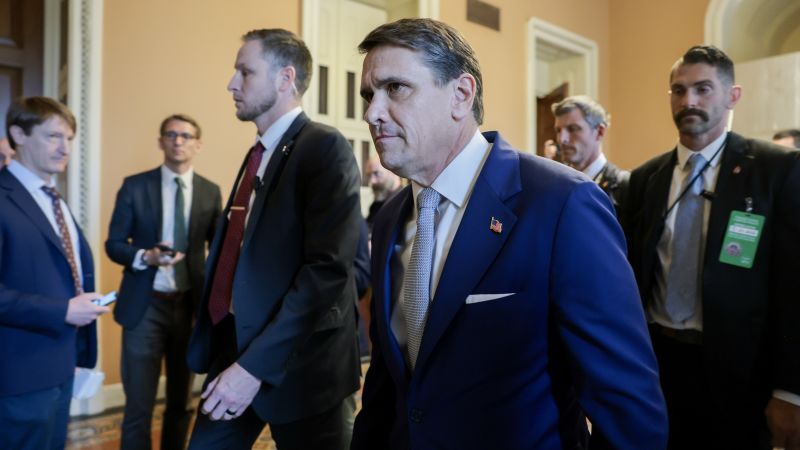
Trump formally nominates his former personal – President Donald Trump has officially nominated Todd Blanche, his former personal lawyer, to serve as the permanent Attorney General. The nomination, submitted to the Senate on Monday, marks Blanche’s transition from his role as acting attorney general to a full-time position. He would replace Pam Bondi, who was dismissed from the role in April. The move initiates the Senate’s confirmation process, which requires a simple majority to approve. However, Blanche’s tenure as acting AG has already drawn scrutiny, particularly over his involvement in the Jeffrey Epstein files and his role in the creation of a contentious $1.8 billion “anti-weaponization” fund aimed at benefiting Trump’s allies.
Senate Confirmation and Political Backing
Senate Judiciary Committee Chairman Chuck Grassley has signaled his support for Blanche’s nomination, stating that the committee is currently working to expedite the process. “Blanche is well-qualified and has demonstrated a commitment to restoring law and order,” Grassley said in a statement. Yet, the pace of the confirmation remains uncertain, as Grassley declined to specify how quickly the nomination might move forward. Other senators, including John Cornyn, have hinted at pressing questions about Blanche’s handling of the fund. “I have a lot of questions, including that,” Cornyn remarked when asked if he intended to focus on Blanche’s role in the initiative.
Controversies and Criticisms
Bill Cassidy, a Republican senator from Louisiana, has emerged as a vocal critic of Blanche’s nomination, especially regarding his association with the proposed $1.776 billion anti-weaponization fund. Cassidy, who recently lost a primary race, has expressed doubts about Blanche’s independence, stating, “I have to be convinced that Todd is not the president’s personal attorney who happens to be attorney general – but that Todd is attorney general who used to be the president’s personal attorney.” His skepticism is tied to concerns that the fund, initially tied to a settlement between the Internal Revenue Service and Trump’s organization, could provide financial compensation to individuals involved in the January 6, 2021, riot. Despite Blanche’s assertion that the fund is now defunct, the Justice Department has faced ongoing legal challenges to its validity.
Blanche’s Legal Record and Actions
As acting attorney general, Blanche has taken several actions that align with Trump’s priorities. These include securing indictments against high-profile critics such as former FBI Director James Comey, rolling back gun control measures, and issuing subpoenas to journalists seeking access to their sources. He has also spearheaded broad fraud initiatives that complement the White House’s “war on fraud.” Critics argue that these efforts reflect a shift in the Justice Department’s role, transforming it into a tool for advancing Trump’s political and personal interests. “Blanche has effectively used the DOJ as an extension of the president’s agenda,” one analyst noted, highlighting the perception of bias in his work.
Epstein Files and Accountability
The Epstein files controversy has further complicated Blanche’s nomination. In a transcript from her recent House Oversight Committee interview, former Attorney General Pam Bondi stated that Blanche was responsible for the release of the files, which detailed the financial dealings between Epstein and prominent figures. The files were central to the Epstein Files Transparency Act, and Bondi’s comments suggest Blanche played a pivotal role in their dissemination. Meanwhile, Blanche’s interview with Epstein’s co-conspirator, Ghislaine Maxwell, has raised questions about his involvement in the case. Maxwell’s emails, shared with prison staff, led to the termination of several employees, according to her lawyer. The Justice Department has released approximately 3 million files compelled by the Epstein investigation, though the full extent of Blanche’s influence remains under debate.
Political Dynamics and Legal Challenges
The nomination has sparked a broader debate about the balance between legal independence and executive influence. While Grassley has framed Blanche as a capable leader, some Republicans, like Cassidy, remain unconvinced. Cassidy’s comments reflect a growing rift within the GOP, as he questions whether Blanche’s loyalty to Trump outweighs his duty to the public. “Of course, that’s concerning,” he said in response to Trump’s recent defense of the fund. The senator emphasized that the confirmation process will depend on how Blanche’s actions align with the principles of justice, stating, “We shall see” how the White House might address these concerns.
Blanche’s Advocacy and Public Statements
Blanche has publicly expressed enthusiasm for the position, describing his work with Trump as “the greatest honor of a lifetime.” During a press conference following his appointment as acting AG, he told reporters, “If he chooses to nominate somebody else and asks me to go do something else, I will say: ‘Thank you very much, I love you, sir.’” This sentiment underscores Blanche’s alignment with Trump’s vision for the Justice Department. However, his nomination also highlights the tension between personal loyalty and judicial impartiality, as critics argue his actions have prioritized political goals over legal objectivity.
The Senate’s confirmation process will serve as a critical test of Blanche’s credibility. While the majority vote threshold is straightforward, his past decisions—particularly those related to the anti-weaponization fund and the Epstein files—could influence the outcome. Grassley’s support offers a strong foundation, but the presence of dissenting voices, including Cassidy, suggests the vote may not be unanimous. As the committee prepares to evaluate Blanche’s qualifications, the spotlight will remain on whether his tenure as acting AG has set a precedent for the Justice Department’s role in the Trump administration.
Legacy of the Anti-Weaponization Fund
The anti-weaponization fund, initially proposed as part of a settlement between the IRS and Trump’s organization, aimed to provide financial relief to individuals who claimed they were wrongfully prosecuted. However, the plan has been criticized for potentially shielding January 6 rioters from legal consequences. Despite Blanche’s insistence that the fund is no longer active, several lawsuits continue to challenge its validity, with plaintiffs arguing that the settlement remains a point of contention. This ongoing legal battle has added layers of complexity to Blanche’s nomination, as senators weigh his effectiveness against the potential for partisan bias.
In summary, Trump’s nomination of Todd Blanche as Attorney General has reignited discussions about the Justice Department’s role in executive politics. While Grassley and others advocate for swift confirmation, the fund’s legacy and Blanche’s handling of the Epstein case have placed him in the crosshairs of scrutiny. As the Senate deliberates, the focus will remain on whether Blanche can navigate the expectations of both the White House and the public, ensuring the department operates with integrity amid accusations of partisan influence.