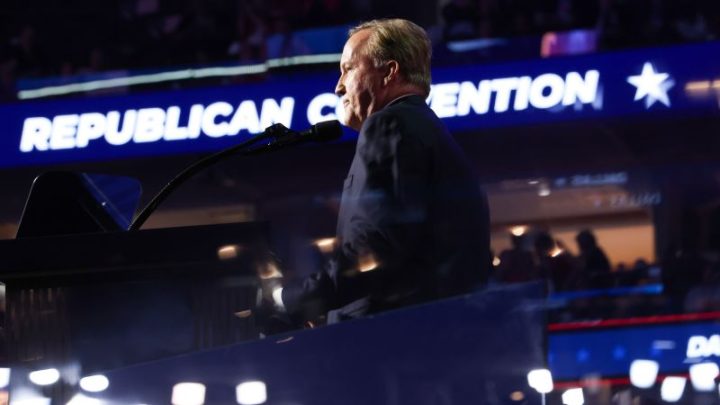
Trump asks Supreme Court to OK sweeping changes for mail ballots

Daftar Isi
Supreme Court Faces Urgent Mail-Ballot Ruling Weeks Before Midterms
Healfromzero.com – The nation’s highest court now confronts a question that strikes at the mechanics of American voting itself: whether the federal government can effectively gatekeep which mail-in ballots reach voters’ doorsteps. On Thursday, the Trump administration filed an emergency petition asking the justices to grant the United States Postal Service broad authority to hold back mail ballots that do not conform to new federal regulations. The move sets the stage for a high-stakes constitutional clash arriving less than eight weeks before the November midterm elections, when millions of Americans will cast their votes by mail.
A Leapfrog Through the Courts
Rather than waiting for lower tribunals to finish working through the dispute, the administration’s appeal skipped directly to the Supreme Court. That shortcut caps a months-long legal battle that began after President Trump signed an executive order in March, handing federal agencies a role in election administration that had no clear precedent. Voter advocacy organizations joined by a coalition of 23 states led by Democratic governors immediately challenged the order in federal court, contending that neither the president nor the post office possesses constitutional authority to determine which ballots get delivered.
The timing sharpens the stakes. The first mail ballots for the midterm cycle began entering the postal system this week, meaning any court decision will land while millions of votes are already in transit. The current bench, composed of six conservative justices and three liberals, will face enormous pressure to resolve the matter on an accelerated schedule that departs sharply from its usual deliberative pace.
The Administration’s Framing
In its filings, the Justice Department characterized the new postal regulations as “only modest envelope-design and addressee-information requirements,” insisting the dispute concerns the government’s traditional authority to regulate the mail rather than its power over elections.
“The rule thus plainly does not seize control of states’ administration of elections,” the administration told the high court. “It simply imposes reasonable preparation requirements for certain election-related mail.”
The department further argued that without immediate intervention, the lower court’s blocking order would “partially nullifies the Postal Service’s efforts to address the need that the federal mails will be used to perpetrate voter fraud — a particularly pernicious species of fraud that dilutes the votes of lawful voters.” This language echoes the president’s long-running, repeatedly unsubstantiated claims of widespread voter fraud that have animated his post-2020 legal and political agenda.
What the Regulations Actually Require
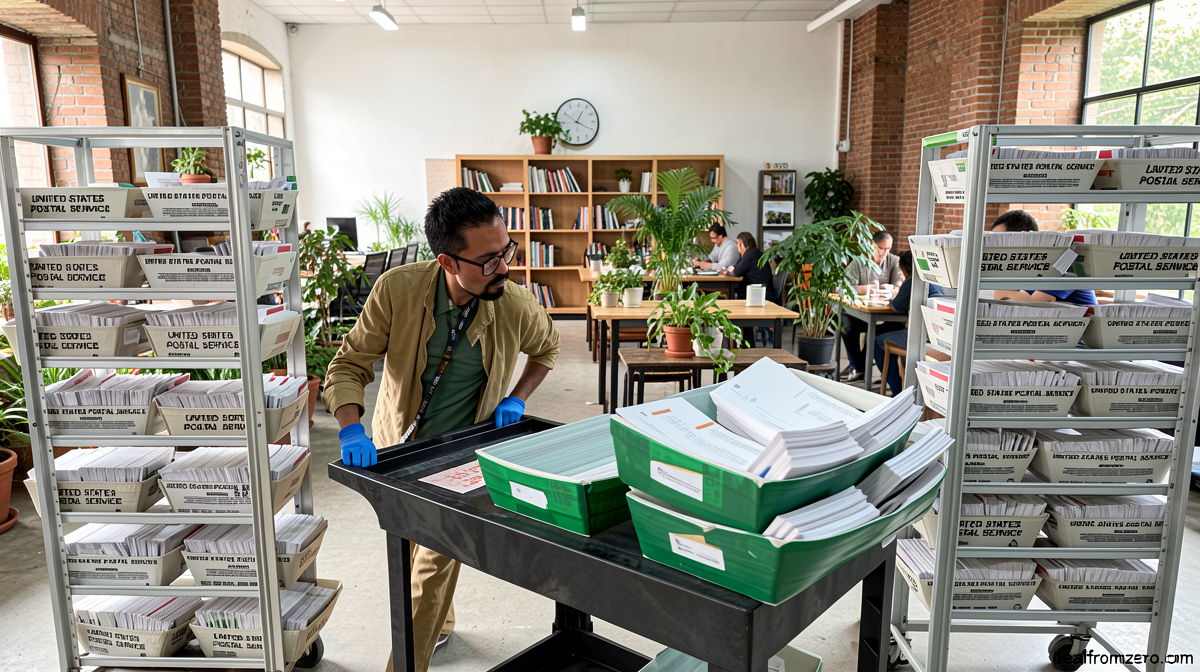
Under the contested rules, states would be obligated to upload lists of their eligible mail voters to a USPS online portal before ballots could be dispatched. Any voter whose name does not appear on that federal list would have their ballot refused delivery by the Postal Service. The regulations additionally mandate that election-mail envelopes carry unique bar codes tied to individual voters. Election officials across multiple states have warned that retrofitting an entirely new ballot-delivery infrastructure in the weeks preceding an election risks systemic breakdowns that could disenfranchise large numbers of voters.
A whistleblower report added urgency to the critics’ concerns, asserting that USPS was rushing to complete a complicated implementation plan with little time for testing or correction — a process that could, in the worst case, prevent millions of Americans from having their votes counted.
The Opposition’s Case
Sophia Lin Lakin, director of the ACLU’s Voting Rights Project and a member of the legal team representing the voting-rights coalitions, called the petition a desperate end-run around the judicial process.
“USPS’s mail ballot rule is an unconstitutional attempt to upend mail voting on the eve of an election,” Lakin said. “The district court temporarily blocked the rule’s key provision while it decides the request for preliminary relief through an order set to expire within days. Yet President Trump’s administration is running to the Supreme Court anyway. The only emergency here is the one the administration created.”
Critics frame the executive order as a power grab over state-run mail-ballot systems — the very systems the president has repeatedly and without evidentiary support blamed for his 2020 defeat by former President Joe Biden. Several Republican states that back the administration have, by contrast, described the changes as minimal postal adjustments designed to harden elections against fraud.
Procedural Hurdles and Timeline
The Supreme Court requested a response brief by Tuesday morning, a signal that it is unlikely to grant the administration’s short-term order immediately. Before the justices can examine the substance of the USPS regulation, the administration must clear a procedural obstacle: the lower court had blocked the rule through a temporary order of a type that is ordinarily not appealable. The high court has, however, entertained such appeals in past cases, and Solicitor General D. John Sauer, the administration’s chief appellate advocate, argued the court should do so again here.
The justices last touched this issue in August, siding with the Trump administration on a related question. Since that ruling, USPS has supplied additional detail about how it plans to operationalize the president’s order, giving opponents fresh material to argue that the practical effect of the regulations goes far beyond “envelope-design” tweaks and into the territory of voter eligibility determinations — a function long reserved to state election officials under the Constitution’s Elections Clause.
Why It Matters to Voters
Mail voting has grown from a niche option into a mainstream method of participation, particularly among older Americans, military personnel stationed abroad, and residents of rural counties where polling places are scarce. A federal mechanism that can withhold a ballot based on a data mismatch between a state roster and a postal database introduces a new single point of failure into a process that states have managed independently for decades. For voters in swing districts, even a small percentage of undelivered or delayed ballots could shift outcomes in tightly contested races. The Supreme Court’s decision — whenever it arrives — will therefore shape not just one election cycle but the structural relationship between federal postal authority and state electoral administration for years to come.
Related Reading
Frequently Asked Questions
What is Trump asks Supreme Court to OK sweeping?
Trump asks Supreme Court to OK sweeping is the main topic of this guide. The article explains the context, practical details, and next steps readers should understand.
Why does Trump asks Supreme Court to OK sweeping matter?
Trump asks Supreme Court to OK sweeping matters because readers are looking for a useful answer, not just a short summary. Good content should match search intent and help them decide what to do next.