
Trump administration charges 455 people, including doctors, with $6.5 billion in healthcare fraud
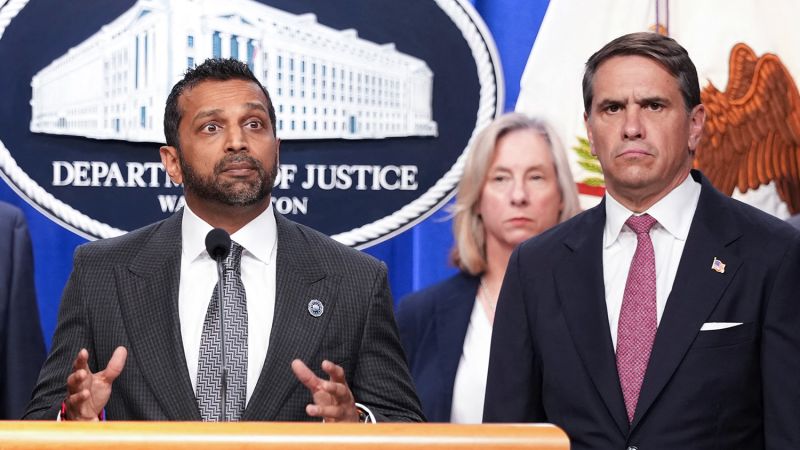
Trump Administration Charges 455 People with $6.5 Billion in Healthcare Fraud
Trump administration charges 455 people including – The U.S. Department of Justice has charged 455 individuals, including medical professionals, with healthcare fraud totaling over $6.5 billion. This large-scale action, announced by the Trump administration, is part of a nationwide effort to combat fraudulent activities in the healthcare system. Among the accused are 90 doctors and other healthcare providers who allegedly submitted false claims to Medicare and Medicaid programs. The charges highlight the administration’s focus on uncovering widespread deception, with officials emphasizing the need for accountability and transparency in medical billing.
Impact on Patients and Medicare Reimbursements
Investigators identified multiple cases of fraudulent billing that led to serious patient harm. A notable example involves a 18-year-old college basketball player, Kaiden Francis, whose death was linked to a doctor’s alleged negligence. According to the Justice Department, the physician failed to inform the family that the patient’s heart had enlarged, rubber-stamping a cardiovascular test as normal. This oversight contributed to Francis’s death during a workout weeks later. The case underscores how fraudulent practices can compromise patient care and result in tragic consequences.
“The fraudulent schemes not only cost taxpayers billions but also endangered lives,” said a spokesperson for the Justice Department, highlighting the dual threat posed by financial and medical misconduct.
Other cases revealed systematic abuses in Medicare claims, such as a $2 billion scheme involving wound care fraud in Arizona. In Texas, providers inflated injury severity to secure unnecessary reimbursements, totaling $906 million. These examples demonstrate how healthcare fraud can drain public funds while jeopardizing patient trust. The administration’s operation also targeted a hospice owner who paid funeral home employees to fabricate claims for days of care, further illustrating the depth of deception in the sector.
Political Motives and State Collaboration
While the Trump administration describes this initiative as bipartisan, some Democratic-led states have raised concerns about political bias. Over 45 states and territories participated in the crackdown, but the focus on Medicare and Medicaid fraud has sparked debates about its underlying motives. Health Secretary Robert F. Kennedy Jr. acknowledged the collaboration during a press conference, stating, “This takedown shows the strength of unity in fighting fraud that endangers both the system and the American public.”
Dr. Mehmet Oz, who oversees Medicare and Medicaid programs, has been central to the campaign against healthcare fraud. Known for his media presence, Oz has used public outreach to spotlight high-risk areas. “We are not just punishing fraudsters—we are preventing exploitation of the system,” he emphasized, underscoring the administration’s goal of proactive enforcement. The operation aims to intercept false claims before they are approved, leveraging data analysis and state partnerships to track fraudulent patterns.
Broader Implications and Enforcement Strategies
This takedown marks the largest coordinated effort by the Justice Department to date, targeting over 295 defendants involved in Medicaid fraud. The total amount of false claims submitted to the program exceeds $518 million, emphasizing the scale of the issue. Acting Attorney General Todd Blanche stressed the use of advanced technology and collaboration to identify fraud, stating, “We will pursue those who abuse the system relentlessly.”
By holding healthcare providers accountable, the administration seeks to restore public confidence in medical services. The charges against 455 people, including doctors, signal a commitment to addressing systemic issues that have long plagued the sector. Officials believe this action will have a lasting impact, ensuring transparency and preventing future financial and medical harm. As the crackdown continues, it sets a precedent for rigorous enforcement in healthcare fraud cases nationwide.