
Speaker Johnson muscles through plan to fund Iran war and promote Trump’s ‘SAVE America Act’
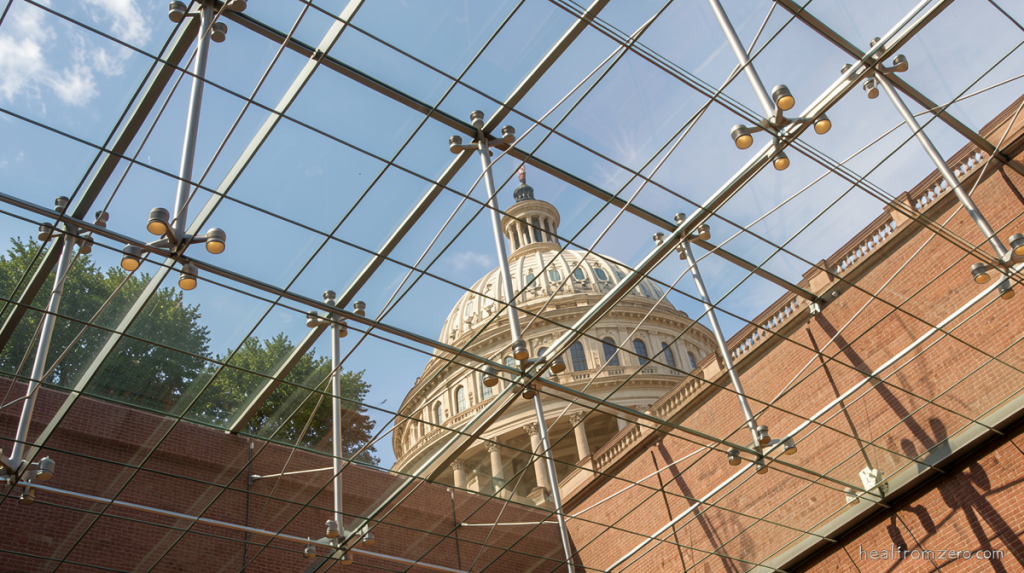
House Advances Funding Framework for Iran Conflict and Electoral Reform Initiative
Healfromzero.com – Lawmakers in the House of Representatives moved forward on Wednesday with a crucial legislative package designed to support President Donald Trump’s military engagement with Iran. This comprehensive measure also encompasses substantial additional appropriations for the Department of Defense alongside financial assistance programs benefiting American agricultural producers. Furthermore, the legislation allocates resources toward state-level electoral grant initiatives that would help implement Trump’s proposed “SAVE America Act” framework for election system improvements.
A Narrow Victory Amid Growing Uncertainty
The final tally reflected a remarkably tight contest, with the budget resolution passing by just two votes—216 in favor against 214 opposed. Despite this narrow margin, the adoption represents only the initial phase of what promises to be an extended legislative journey. The House approved merely the foundational blueprint rather than the complete statutory text, leaving considerable work ahead for Republican leadership as they craft the detailed implementing legislation.
Speaker Mike Johnson successfully navigated considerable opposition from various factions within his own party to secure passage. Moderate Republicans expressed concerns regarding insufficient transparency surrounding Pentagon expenditure allocations, while fiscal conservatives voiced frustration that the financial package would increase the nation’s debt burden through additional borrowing.
Senate Hurdles Loom Large
The legislative path forward becomes considerably more complex once the House proposal reaches the Senate chamber. Republican leaders require complete alignment with their Senate counterparts to advance the funding without relying on the intricate reconciliation procedure—a process that allows certain budgetary measures to pass with simple majority support rather than the standard sixty-vote threshold.
One particular point of contention involves provisions within the House package that would promote the SAVE America Act. This electoral reform legislation currently lacks sufficient support to overcome the Senate’s sixty-vote requirement through normal legislative channels. Consequently, some Republican lawmakers have advocated utilizing the reconciliation process to advance the measure as President Trump continues pressing for its enactment.
However, complications arise regarding how the Senate parliamentarian—the chamber’s nonpartisan rules authority—will interpret and apply procedural guidelines to these specific provisions. The parliamentarian’s forthcoming determination could significantly impact whether the electoral reform elements survive the legislative process intact.
Political Timing Creates Additional Pressure
Republican leadership faces mounting pressure from multiple directions as the November midterm elections approach. GOP officials demonstrate considerable reluctance to exercise their special procedural authorities to advance legislation, particularly when doing so might expose members to politically challenging amendment votes. Under the reconciliation process, Democrats possess the ability to introduce an unlimited number of amendments, creating what legislators refer to as a “vote-a-rama”—a potentially grueling series of politically painful votes that could complicate the electoral prospects for Republican incumbents.
The Pentagon has communicated to congressional members that its funding requirements are becoming increasingly urgent. Several prominent Republican lawmakers have emphasized that the necessary appropriations must be secured before the August congressional recess. This deadline presents a significant challenge, given that the House is scheduled to adjourn for its summer break beginning Thursday—meaning the House will depart for recess without having finalized the complete legislative package.
Looking Ahead
As both chambers navigate these procedural complexities, the ultimate fate of the funding package remains uncertain. Republican leaders must balance their desire to support the president’s foreign policy objectives with concerns about fiscal responsibility and electoral consequences. The coming weeks will prove critical in determining whether the House and Senate can reconcile their differences and deliver the comprehensive legislation that President Trump and his supporters have been advocating for months.
The interplay between the Iran conflict funding, agricultural assistance, electoral reform provisions, and the procedural mechanisms available to both chambers will ultimately shape not only this legislative session but potentially influence the political landscape heading into the midterm elections. Republican lawmakers must now work diligently to ensure that their budget resolution translates into meaningful action that addresses both immediate military needs and longer-term institutional priorities.