
Democrats zero in on Nevada and South Carolina to kick off 2028 presidential primary calendar
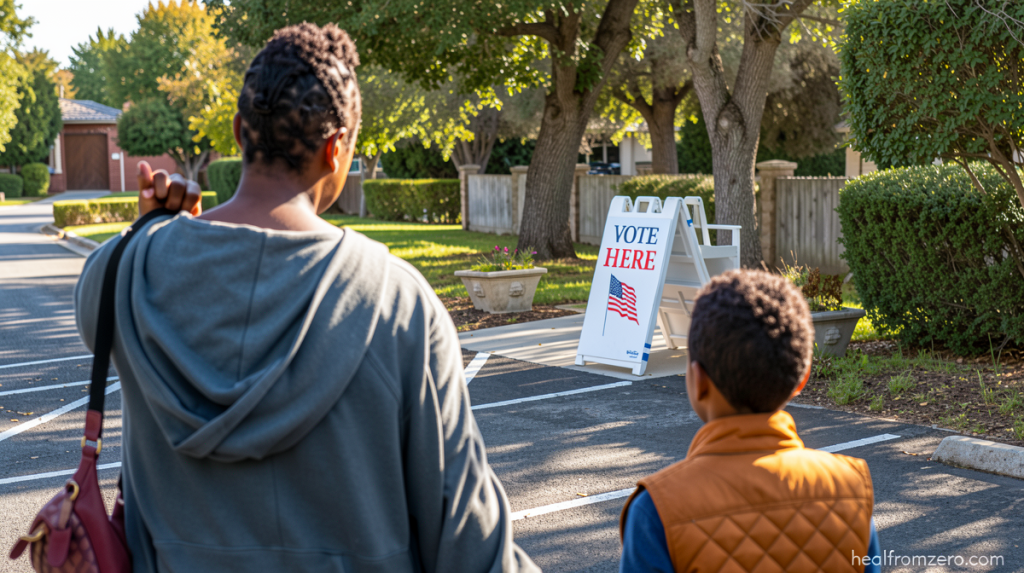
Democratic Party Weighs Nevada and South Carolina for 2028 Primary Opening
Healfromzero.com – Internal discussions among influential Democratic National Committee members indicate that Nevada and South Carolina have emerged as the frontrunners to anchor the party’s 2028 presidential primary schedule. According to sources familiar with the deliberations, the decision remains closely contested between the two states.
Committee Deliberations Underway
A member of the DNC’s Rules and Bylaws Committee, speaking on condition of anonymity regarding private discussions, characterized the situation as essentially even. “I have to say at this point it’s probably 50-50,” the committee member noted. “This is going to be a tough one.”
The committee convenes in the nation’s capital this week with the responsibility of selecting up to five states for the opening phase of the primary season. This decision follows months of intensive campaigning by various states eager to secure favorable positioning on the electoral calendar. The panel plans to present its recommendations to the full DNC for consideration as early as next month.
Two Potential Scenarios Emerge
According to the RBC member, the committee is evaluating two primary configurations designed to balance representation among states with significant Black and Latino voter populations. The first option places Nevada at the forefront, followed by South Carolina, Michigan, New Hampshire, and potentially Virginia as the fifth state.
The alternative arrangement would have South Carolina opening the calendar, with Nevada following, then New Mexico, Michigan, and New Hampshire. Moving New Mexico—which boasts a substantial Latino demographic—into the early window would serve as what one insider described as a “consolation prize” for Latino voters who might otherwise miss out on having their community represented in the opening primary state.
“I think that a lot of people are thinking about that kind of counterweight,” the RBC member explained regarding the potential inclusion of New Mexico.
Nevada Makes Its Case
Supporters of Nevada emphasize the state’s multicultural composition, robust union presence, and reputation as a competitive electoral battleground as compelling reasons for top placement. Daniele Monroe-Moreno, chair of the Nevada Democratic Party, articulated this perspective clearly.
“If Nevada goes first, it’s a strategic decision for our party as we work to build a coalition that we know we need to build to win back the White House in 2028,” Monroe-Moreno stated. “Nevada is that proving ground for national candidates, period.”
Nevada’s advocates have highlighted that beyond its Latino population, the state encompasses Black, Asian American and Pacific Islander, Native American, and White working-class voters. Senator Catherine Cortez Masto and Representative Steven Horsford reinforced this message in a Wednesday correspondence to RBC members.
“We’ve been clear at every step, this is about reaching a broad coalition of diverse voters, not elevating or prioritizing any voice over another,” the lawmakers wrote in their letter to committee members.
South Carolina’s Historical Strength
The New York Times initially identified both South Carolina and Nevada as leading candidates. South Carolina secured the opening position in 2024 following former President Joe Biden’s recommendation. Proponents of maintaining this placement cite recent Republican challenges to Black electoral influence, including an unusual mid-cycle redistricting effort and the Supreme Court’s Callais ruling that diminished Voting Rights Act protections.
Advocates argue that preserving South Carolina’s current standing would emphasize the critical importance of voting rights for Black Americans. Additionally, the state has demonstrated a track record of selecting eventual Democratic primary victors, notably in 2020 when Biden’s South Carolina triumph revitalized his campaign.
“We’ve just been telling the history of South Carolina in this process, how our voters have always gotten it right,” Christale Spain, South Carolina Democratic Party chair and RBC member, remarked.
Uncertainty Remains for Remaining Slots
While Nevada and South Carolina battle for the opening positions, the composition of the remaining slots remains less certain. One RBC member described the situation as involving “about a billion computations,” noting personal preference for both states in the first two positions while acknowledging different lineup possibilities.
Additional sources, including another RBC member and someone familiar with the panel’s deliberations, indicated that Virginia and New Mexico are likely vying for the fifth and final early window position.
Historically, both major parties have opened their nominating processes with Iowa caucuses and New Hampshire primaries. In recent cycles, South Carolina and Nevada have claimed subsequent positions before other states participate on or after Super Tuesday. The 2024 cycle introduced a new requirement for states to formally apply for early window placement each election cycle, a process that continues to shape the Democratic primary landscape as the party looks toward 2028.