
Pressure mounts on Platner to end Maine Senate bid as Democrat says he’s reflecting on ‘best path forward’
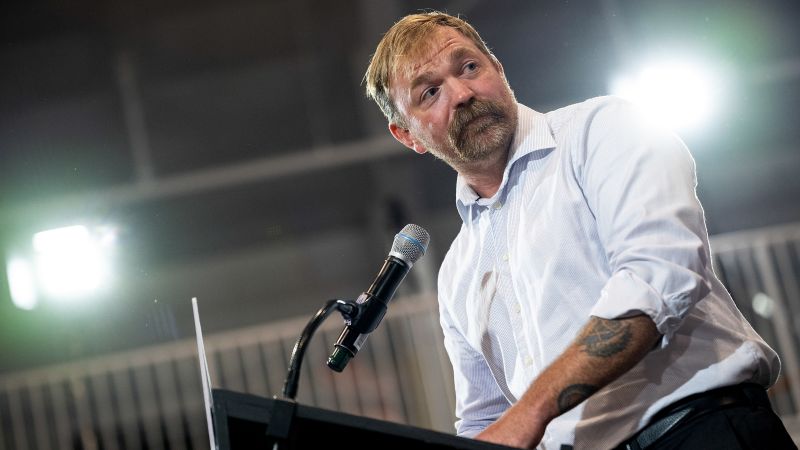
Pressure Mounts on Platner to End Maine Senate Bid Amid Rape Allegations
Pressure mounts on Platner to end Maine – The Democratic campaign for Graham Platner in Maine has faced significant challenges as allegations of rape surfaced, prompting widespread calls for his withdrawal from the race. A woman recently accused Platner of sexually assaulting her nearly five years ago while they were in a casual dating relationship, a claim he denies. This revelation has triggered a shift in momentum, with key figures within the party urging him to reconsider his candidacy and focus on a strategy that could benefit the broader Democratic movement.
Allegations Spark Democratic Divisions
The accusations, shared with CNN and Politico, have ignited a debate within the Democratic Party. While Platner insists the allegations are “troubling, serious, and false,” a growing number of Democrats argue that the situation demands immediate action. The Senate Democratic leader, Chuck Schumer, and the chair of the Democratic Senatorial Campaign Committee, Kirsten Gillibrand, issued a joint statement condemning the incident. “The allegations reported today are incredibly disturbing,” they said. “Violence, abuse, and sexual assault are absolutely unacceptable.” The pair emphasized that Platner must withdraw as the Democratic nominee to allow the party to field a candidate capable of challenging the Republican incumbent, Sen. Susan Collins.
“Graham Platner needs to immediately withdraw as the Democratic nominee for Senate and allow Maine Democrats the opportunity to choose a new candidate who can defeat Susan Collins.” — Chuck Schumer and Kirsten Gillibrand
The Maine Democratic Party has also joined the chorus, stating that Platner should drop out of the race. This decision has led to the withdrawal of endorsements from several prominent congressional allies, including Sen. Elizabeth Warren, who had previously supported Platner. “With so much at stake, the best path forward is for Graham Platner to step aside as the Democratic nominee,” Warren said. “Addressing these serious allegations outside this Senate race will better serve the people of Maine and the movement we’re fighting for.”
Campaign Momentum Begins to Wane
As the pressure intensifies, Platner’s campaign has seen a notable decline in visibility and support. Social media appearances that were once a cornerstone of his strategy have been downgraded, with event links for appearances in Gorham and Sanford removed from the campaign website. This reflects a broader adjustment in how the party is handling the crisis, as key players recognize the need to prioritize the race’s viability over personal momentum.
Additionally, the Democratic National Committee’s social media ads featuring Platner alongside other Senate nominees in critical races have been deactivated. These ads, which were part of a coordinated effort to bolster Democratic candidates, now sit idle as the party reassesses its priorities. Senate Majority PAC, a major super PAC supporting Democratic Senate efforts, has echoed this sentiment. “We cannot strategically continue to invest here when there is an expansive battleground map where these resources can help win a Democratic majority,” said spokesperson Lauren French. “Our focus remains on flipping the Maine seat, but that requires a nominee who can unify the party and capture public trust.”
Political Implications and Strategic Shifts
The Maine Senate race is pivotal for Democrats seeking to secure a net four-seat gain in the November elections. A shift in the state’s senatorial representation could tip the balance of power in the Senate, making Platner’s withdrawal a critical juncture. However, the allegations have not only shaken the campaign but also raised questions about the party’s ability to maintain cohesion under pressure.
Platner’s response to the accusations has been measured, as he attempts to navigate the political fallout. In a two-minute, direct-to-camera video posted on social media, he acknowledged the potential challenges the allegations might pose but maintained their inaccuracy. “Any accusation of nonconsensual behavior is categorically false,” he stated. Yet, he also admitted the accusations could “make it more difficult” for him to defeat Collins. The video, which was shared on X, was accompanied by a brief staff call where a senior campaign official reiterated Platner’s stance without taking questions, underscoring the urgency of the situation.
The timeline for action is tight, with the July 13 deadline for general election candidates to withdraw from the ballot looming. If Platner steps down, the Maine Democratic Party will have two weeks to select a replacement, a process that will likely involve intense scrutiny and strategic deliberation. Collins, meanwhile, has remained steadfast in her defense of Platner, though she has distanced herself from the internal party dynamics. “These allegations are appalling,” Collins said in a statement shared by her campaign spokesperson. “Nevertheless, it is not up to me to choose the Democratic nominee for Senate.”
Supporters and Allies Retreat
The impact of the allegations has rippled through Platner’s network of supporters, with influencers and activist groups retracting their backing. This loss of momentum signals a deeper shift in the race, as the Democratic base grapples with the implications of the accusations. The party’s internal communication has become more cautious, with emphasis placed on unity and the need to present a strong candidate against Collins.
As the dust settles, the focus turns to the next steps for the Maine Democratic Party. If Platner remains in the race, the party will have to balance the risk of a damaged reputation against the potential of a unified front. However, if he withdraws, the search for a replacement will begin immediately, with candidates likely chosen based on their ability to resonate with voters and maintain the party’s campaign narrative. The outcome of this decision could shape not only the Maine race but also the broader Democratic strategy for the upcoming elections.