
Nearly 80% of interceptors for a key missile defense system depleted, sources say
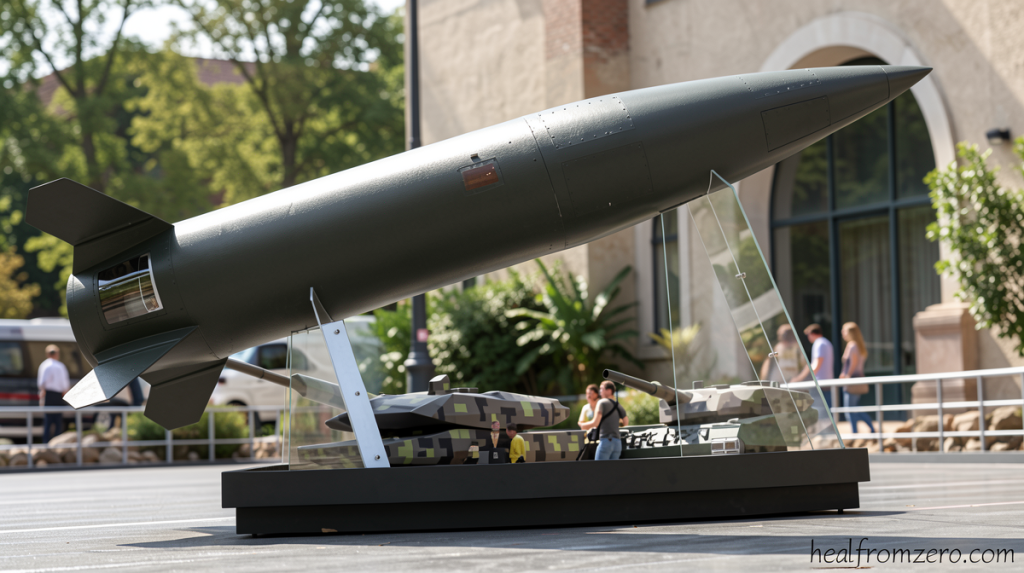
US Missile Defense Stockpiles Face Critical Shortages Amid Iran Conflict
Healfromzero.com – American military forces have consumed approximately eighty percent of their THAAD interceptor inventory as hostilities with Iran continue, creating what senior commanders describe as a dangerously low munitions situation. The depletion extends across multiple air defense platforms, with Patriot interceptor reserves also falling to roughly fifty percent of pre-conflict levels. These figures emerge from internal Pentagon assessments that have not been publicly disclosed until now.
System-by-System Depletion
The Terminal High Altitude Area Defense system, designed to intercept ballistic missiles during their terminal phase, has experienced the most dramatic drawdown. Before military operations against Iran commenced, American stockpiles contained approximately 452 THAAD missiles. Current assessments indicate that nearly four-fifths of this inventory has been expended in combat operations.
Patriot missile batteries have similarly faced substantial consumption. Pre-war estimates placed American Patriot inventory at around 2,200 units across the platform’s two most advanced variants. The current depletion rate suggests that approximately half of these interceptors have been utilized since operations began.
The US Army has also reported using virtually all of its long-range, surface-to-air precision weapons during the ongoing conflict. These highly accurate systems, capable of engaging targets at extended distances, have been deployed extensively as American forces have conducted operations against Iranian military and infrastructure targets.
Gulf Security Concerns Mount
American allies across the Persian Gulf region have expressed renewed anxiety about how depleted air defense capabilities might affect their security posture. Several Gulf nations depend heavily on US-provided missile defense systems to protect against potential Iranian retaliation. Officials from these countries have acknowledged that current stockpile levels could limit their ability to intercept incoming Iranian missiles and drones, particularly if they become targets following any American escalation.
The concerns center largely on energy infrastructure vulnerability. Gulf states have warned that Iranian retaliatory strikes could specifically target their oil and gas facilities, which remain critical to global energy markets. These warnings have carried particular weight as American decision-makers consider the full scope of potential military operations.
Strategic Calculus Behind Strike Cancellation
President Donald Trump’s decision to pause planned military operations last weekend followed extensive consultation with Middle Eastern partners. On Friday, the President had prepared to authorize massive strikes against Iranian targets, with Defense Secretary Pete Hegseth receiving final approval to proceed. However, Saturday conversations with Gulf allies revealed deep concerns about Iranian retaliation, particularly against energy infrastructure in allied nations.
The President agreed to hear these concerns and subsequently directed Hegseth to stand down from immediate operations. While the strikes remain available for future execution, the immediate threat of escalation has been temporarily reduced. Trump’s most hawkish advisers, who had previously supported aggressive action, found the combination of stockpile concerns and allied warnings compelling enough to recommend calling off weekend operations.
America’s military is the most powerful in the world and has everything it needs to execute at the time and place of the President’s choosing. We have executed multiple successful operations across combatant commands while ensuring the U.S. military possesses a deep arsenal of capabilities to protect our people and our interests.
Chief Pentagon spokesman Sean Parnell’s statement emphasized that while current operations have revealed vulnerabilities, the American military retains substantial capability for future action. The timing and location of subsequent strikes remain flexible, allowing the President to choose optimal conditions for renewed operations.
Official Responses and Future Outlook
White House spokesperson Anna Kelly defended the administration’s position, asserting that American forces possess more than sufficient munitions and stockpiles to achieve all strategic objectives. Kelly highlighted “Operation Epic Fury” as evidence of American military effectiveness, noting that the President has directed defense contractors to increase production of domestically manufactured weapons systems.
Operation Epic Fury has exposed what happens when you mess with the United States. Even still, the President has urged our defense contractors to constantly produce more made-in-America weapons, which are the best in the world.
Chairman of the Joint Chiefs Gen. Dan Caine has also raised stockpile concerns during White House meetings, adding military perspective to the political decision-making process. Additional considerations include the potential for substantial civilian casualties within Iran if major combat operations resume, a factor that has influenced the administration’s cautious approach.
The persistent warnings about munitions availability underscore the seriousness of current shortages and raise questions about America’s capacity to sustain prolonged military operations against Iran. While immediate escalation has been deferred, the underlying challenges of maintaining adequate stockpiles for extended conflict remain unresolved.
Related Reading
Frequently Asked Questions
What is Nearly 80 of interceptors for a key?
Nearly 80 of interceptors for a key is the main topic of this guide. The article explains the context, practical details, and next steps readers should understand.
Why does Nearly 80 of interceptors for a key matter?
Nearly 80 of interceptors for a key matters because readers are looking for a useful answer, not just a short summary. Good content should match search intent and help them decide what to do next.