
Monetary compensation becomes key sticking point in Iran deal as Trump bristles at comparison to Obama agreement
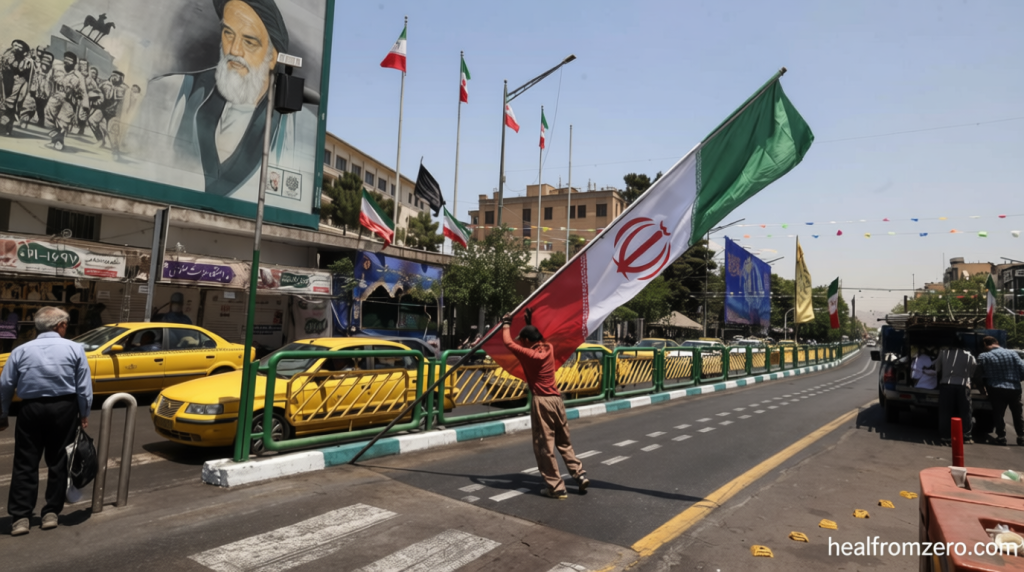
Monetary Compensation Sticking Point in Iran Deal as Trump Criticizes Obama Agreement
Monetary compensation becomes key sticking point – Monetary compensation has become a central issue in U.S.-Iran negotiations, with Trump administration officials facing pressure to meet Iran’s demands for swift financial relief. The dispute centers on whether the new agreement will offer more favorable terms than the 2015 pact under President Barack Obama, according to a U.S. official involved in the talks. Iran insists that funds should be released immediately upon finalizing a preliminary deal, but U.S. officials fear this could weaken economic pressure on Tehran and diminish the impact of sanctions.
Trump’s team is determined to ensure the deal appears stricter than the Obama-era agreement, which allowed Iran to access $1.7 billion in frozen assets. By delaying compensation, the White House hopes to maintain leverage and encourage Iran to comply with nuclear restrictions before any funds are unfrozen. However, Iran has pushed back, arguing that immediate monetary relief is necessary to sustain its economy and gain international support for the negotiations. The tension between these positions is shaping the final stages of the talks.
Key to the debate is the exact amount of compensation. Iran has now set its demand at $12 billion, a significant rise from earlier estimates, to be released as soon as an initial memorandum of understanding is signed. Trump has reiterated his stance against direct financial transfers, describing the previous agreement as a “pallets of cash” giveaway. His administration is exploring alternatives, such as channeling funds through Gulf allies or restricting their use to humanitarian purposes, to avoid perceptions of leniency while still addressing Iran’s needs.
“We have control of the money they claim is theirs,” Trump said during a recent Cabinet meeting. “We’ll keep control of that money. When they behave properly, and when they do what’s right, we’ll let them have their money. But right now, we’re not doing that.”
Negotiation Strategy
The U.S. has adopted a phased approach, linking financial compensation to Iran’s compliance with nuclear program restrictions. This strategy, dubbed “no dust, no dollars,” ensures that Iran’s actions are scrutinized before any funds are released. While some sanctions may be lifted, they will not be immediate. Secretary of State Marco Rubio emphasized that the agreement’s terms would be conditional, with full compliance required before any financial benefits are granted.
Public perception plays a critical role in the negotiations. Trump’s team is keen to frame the deal as a more robust alternative to the Obama agreement, highlighting its potential to tighten restrictions on Iran’s nuclear activities. Officials stress that the new terms aim to prevent Tehran from gaining undue advantage, ensuring that the financial incentives are tied to measurable progress in the agreement’s implementation. This balance between immediate relief and long-term accountability is central to the current discussions.
Alternative Approaches
As the talks progress, alternative solutions are being considered to satisfy Iran’s financial demands without compromising U.S. leverage. One proposal involves creating an investment fund supported by Gulf states, which would allocate resources to Iran’s reconstruction efforts rather than providing direct cash payments. This approach allows the U.S. to maintain control over the funds while still offering economic support to Iran. Another idea is to limit the use of unfrozen assets to essential imports like food and medicine, preventing them from being used to bolster Tehran’s military or economic infrastructure.
Despite these options, the disagreement over compensation remains a major hurdle. The administration’s insistence on tying payments to Iran’s behavior is seen as a strategic move to ensure the deal’s long-term viability. However, Iran’s leaders argue that the previous agreement’s structure was fair and that the current demands are necessary to address their economic challenges. This clash of priorities underscores the complexity of the negotiations and the stakes involved in reaching a final agreement.