
Justice Department announces arrests in ‘sophisticated’ drone network used to deliver meth, phones and weapons to prisons
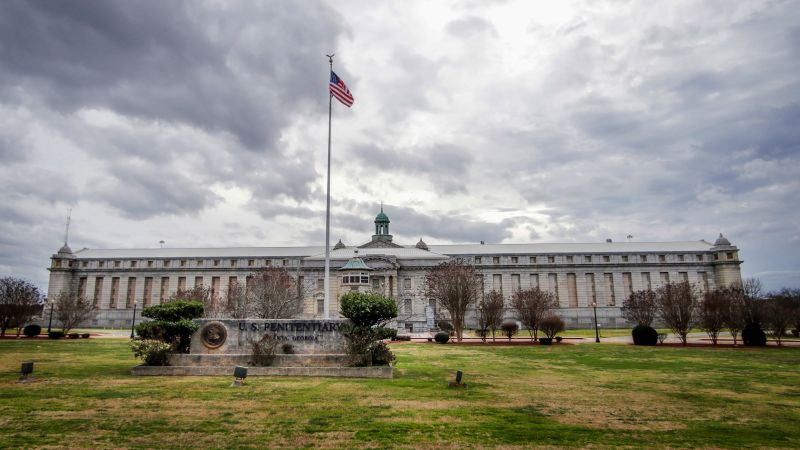
Justice Department Unveils Charges in Drone Network Smuggling Contraband into Prisons
Justice Department announces arrests in sophisticated – The U.S. Department of Justice has revealed federal charges against a group accused of orchestrating a high-tech operation to smuggle drugs, cell phones, and weapons into federal prisons across multiple states. The indictment, unsealed during a press conference in Macon, Georgia, highlights a coordinated effort involving drones that transported illicit items to 10 correctional facilities, primarily on the East Coast. This case marks one of the most complex and advanced criminal networks linked to prison contraband, according to officials involved in the investigation.
The operation, which law enforcement says spanned over three years, was centered at a former daycare in Macon, serving as a launchpad for covert missions. Drones, equipped with high-capacity payloads, were deployed at night to deliver a variety of contraband, including methamphetamine, synthetic marijuana, suboxone, cocaine, tobacco, cigarettes, drug-infused paper, and even saw blades. These items, described as tools for both recreation and escape, were allegedly dropped into prison cells with precision, aided by illegal phones used by inmates to communicate with operators outside the facility.
“We’re here to announce the unsealing of an indictment that charges the most sophisticated and sprawling criminal enterprise using drones to introduce contraband into the federal prison system ever charged by the Department of Justice,” said William Keyes, U.S. Attorney for the Middle District of Georgia. Keyes emphasized the scale and innovation of the operation, which involved six separate drones and at least 38 successful deliveries.
According to the 17-count indictment, the group operated with a level of coordination that posed significant challenges to prison security. Inmates reportedly used real-time maps sent via cell phones to guide the drone pilots, ensuring that contraband reached its destination undetected. Some packages were discovered by correctional officers within minutes of landing, while others disappeared before authorities could investigate, suggesting a level of stealth and adaptability in the network’s tactics.
The Bureau of Prisons (BOP) played a critical role in tracking the drones, employing detection systems that provided data on flight paths, models, and launch locations. This information helped identify the individuals responsible for the illicit activities, which law enforcement claims were active from 2023 to 2026. William K. Marshall III, Director of the BOP, stated during the press conference that such operations threaten the safety of everyone within prison facilities and are no longer acceptable under current protocols.
Earlier this year, 21 attorneys general launched a multi-state initiative to address the growing issue of drones delivering contraband into prisons. In a letter to the Trump administration, the coalition highlighted the lack of legal authority and tools for correctional officials to respond to unauthorized drone activity. Under existing federal laws, only specific agencies are empowered to detect, track, and neutralize rogue drones, leaving prison staff vulnerable to real-time threats.
The Safer Skies Act, signed by President Trump in December, has since provided new resources to combat this problem. The law allocated $500 million in FEMA grants, established FBI training programs for drone interception, and created a dedicated Department of Homeland Security office to monitor and mitigate the risk. These measures aim to empower state and local agencies to act swiftly against the increasing number of drones used to bypass security systems.
The case involves twelve defendants, including those who organized the drone network and operated the devices. Prosecutors allege that the group exploited the remote and fast-moving nature of drones to evade detection, making it difficult for traditional surveillance methods to keep up. Keyes noted during the press conference that the operation demonstrates the Department’s ability to respond to modern criminal tactics, describing it as a “very sophisticated investigation” that required extensive collaboration between federal and state law enforcement.
The use of drones in this manner represents a shift in how contraband is introduced into prison systems. Unlike earlier methods, which relied on human couriers or tunnels, the drone network allowed for rapid and covert deliveries. This capability has raised concerns among officials about the potential for even more advanced smuggling techniques in the future. For example, the 19-year-old attacker of a UFC event, who attempted to use drones to transport weapons, was referred to police by his parents, underscoring the growing reach of this method beyond prison walls.
Keyes emphasized that the operation’s complexity required a multi-agency approach, with the FBI and BOP working closely to dismantle the network. The indictment details how the drones were programmed to navigate around security barriers, sometimes landing in remote areas of prison grounds to avoid immediate detection. Correctional officers, despite their vigilance, struggled to respond effectively due to the speed and unpredictability of the deliveries.
The federal government’s response to the drone threat has been shaped by recent incidents, including the 2026 case that sparked renewed attention. Prior to the Safer Skies Act, White House officials acknowledged that the federal response had been insufficient, with agencies failing to prioritize the issue adequately. The new legislation is seen as a pivotal step in addressing the problem, offering tools that could prevent future breaches of prison security.
As the investigation unfolds, officials are focusing on the broader implications of drone technology in criminal activities. The case in Georgia highlights how even small-scale operations can have far-reaching effects, disrupting prison systems and enabling inmates to access tools that enhance their ability to organize within facilities. The Department of Justice’s pursuit of these charges signals a commitment to adapting to new forms of crime, ensuring that technological advancements are not used to undermine institutional integrity.
Law enforcement agencies continue to refine their strategies to counter the drone threat, leveraging both technology and legal frameworks. The Safer Skies Act, while a recent development, builds on earlier efforts to address the problem, such as the multi-state coalition formed by attorneys general. This collaboration has allowed for a more unified response, combining resources and expertise to target the root causes of drone-based contraband smuggling.
The case also underscores the importance of public-private partnerships in combating modern criminal enterprises. The FBI’s Atlanta office has been instrumental in tracking the drones, working alongside BOP and local law enforcement to identify the network’s key players. As the investigation progresses, authorities hope to set a precedent for how drones can be integrated into prison security protocols, ensuring that future operations are detected and disrupted before they can cause harm.
With the indictment unsealed, the Justice Department is now focusing on securing convictions and dismantling the network entirely. The twelve defendants face charges ranging from drug trafficking to firearms distribution, reflecting the severity of the operation’s impact. As the legal process moves forward, the case will serve as a case study in the evolving battle between criminal innovation and law enforcement adaptation.