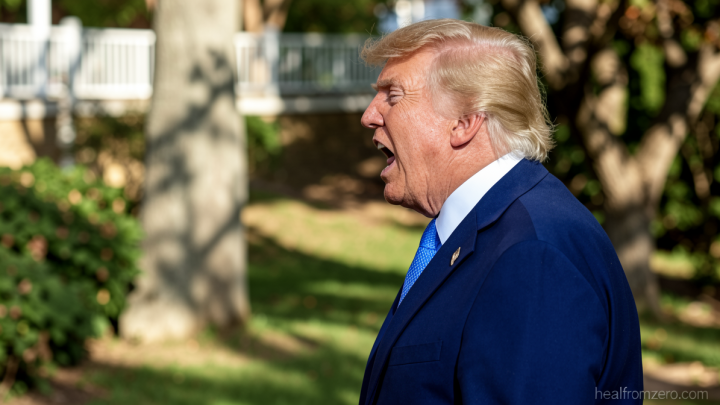
Judge declares she’s ‘not the Lorax’ during hearing on Trump’s DC golf course renovation

Daftar Isi
Federal Judge Ana Reyes Faces Public Fury Over DC Golf Course Tree Removal
Healfromzero.com – Washington’s most contentious urban-landscaping dispute of the year spilled into a federal courtroom on Thursday, when US District Judge Ana Reyes acknowledged the wave of anger and personal threats she has endured over the felling of roughly 150 trees at the East Potomac Golf Course. The hearing, formally convened as a routine status conference to chart the next steps in ongoing litigation, became an unlikely forum for one of the most heated public debates in the capital’s recent history.
The controversy centers on President Donald Trump’s plan to convert the municipal course — situated on a 300-acre manmade peninsula immediately south of the National Mall — into a championship-caliber facility. Trump, a longtime avid golfer, first floated the concept publicly in May of this year. Interior Secretary Doug Burgum subsequently unveiled a rendering produced by Fazio Design, the consultancy led by golf-course architect Tom Fazio, who previously shaped Trump’s Bedminster, New Jersey, property along with three other presidential golf estates. The East Potomac Links currently operates two nine-hole layouts and an 18-hole course.
The Tree Question Dominates the Docket
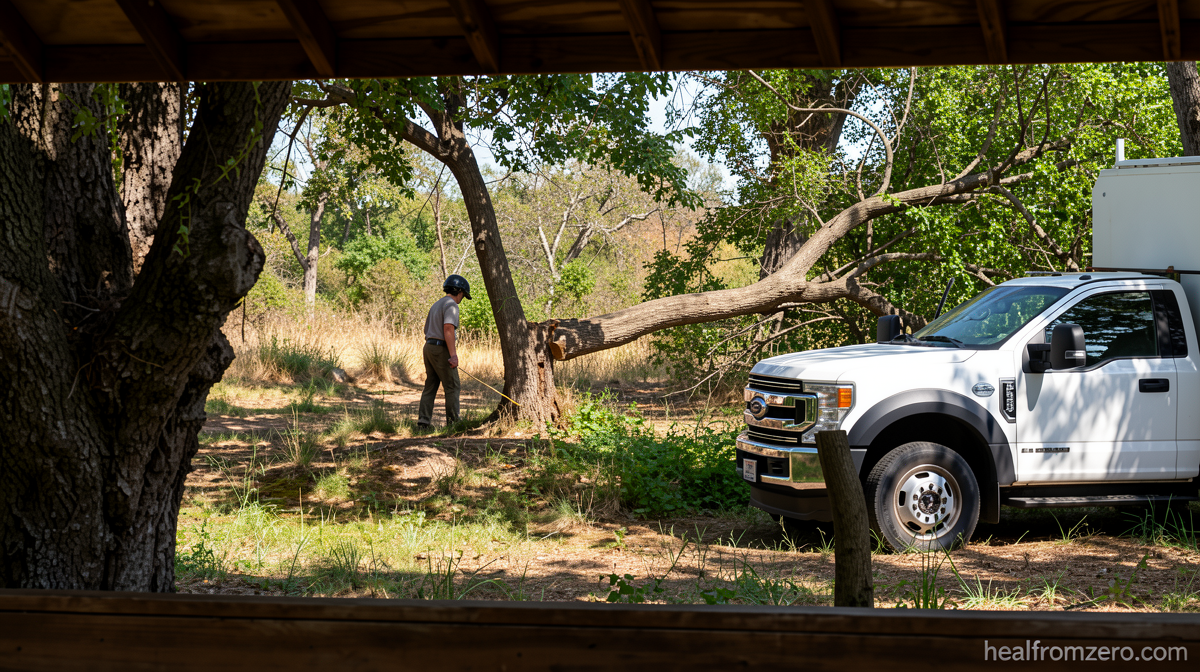
Beginning in late August, the National Park Service initiated the removal of trees across the course grounds, sparking weeks of alarm, speculation, and organized opposition among local residents and conservation activists. Department of Justice attorneys later disclosed that approximately 150 specimens were cut: 77 classified as invasive species and another 77 identified as dead, dying, or hazardous. The park as a whole contains roughly 3,800 trees.
The Department of Interior told reporters in a written statement that arborists routinely monitor the park’s canopy for visitor-safety risks and that removal decisions follow established protocols when a tree is judged to be declining or posing a hazard.
Yet the plaintiffs — the DC Preservation League joined by two local golfers — filed court declarations shortly before Thursday’s session, casting doubt on the characterization of the felled trees as rotting or dangerous. By the time the hearing actually commenced, however, the challengers walked back that position, telling the court they had no basis to contest the stated rationale for the removals.
“I Am Not the Lorax”
Reyes, a Biden-era appointee, used the occasion to voice her personal frustration with the public backlash she has absorbed. She pointed to the irony of the moment: this year marks America’s 250th anniversary, and the judicial docket now features “a president chopping down cherry trees” — an echo of the apocryphal tale tied to George Washington’s youth.
“People are pretty upset,” Reyes observed, adding that she has received threats, including from someone who said he would remove her if she didn’t “save the trees.”
She then invoked the cadence of Dr. Seuss’s beloved children’s book to make her institutional role clear:
“I do not speak for the trees, I am not the Lorax,” she said. “I am a judge.”
Procedural Maneuvering and the Dismissal Question
The administration has pressed for dismissal of the case. In filings lodged Wednesday, the Department of Interior cited recent Supreme Court decisions — including rulings favoring the government in disputes over construction of the White House East Wing ballroom and over an executive order governing mail voting — and argued those precedents rendered the lawsuit untenable.
Reyes declined to rule on the dismissal motion at that juncture. Instead, she granted the challengers leave to amend their complaint so it can account for the new legal landscape. She signaled willingness to resolve any renewed motion to dismiss on an expedited timeline.
Throughout the summer, Reyes had instructed both sides to negotiate a reporting arrangement under which the Trump administration would file periodic updates with the court describing any new construction or planning activity at the course while the litigation proceeded. On Thursday she expressed satisfaction with the government’s compliance and declined to impose additional notification obligations on the administration during its planning phase.
The Fait Accompli Concern
Still, Reyes voiced sympathy for the preservation league’s deeper anxiety: that the administration might execute a sweeping, irreversible action with no advance warning, leaving a court to untangle the consequences after the fact.
“What I don’t want is to be here with a fait accompli,” Reyes said.
She has previously declined to issue a preliminary injunction barring work on the course, explaining that she was not persuaded any statute had been violated. The DC Preservation League and its two golfer co-plaintiffs continue to press for an order that would freeze the renovation plan pending full adjudication of the case.
The episode underscores a broader tension in American environmental law: the gap between routine resource-management decisions made by federal land agencies and the public’s expectation that large-scale alterations to iconic public spaces require transparent, contested review before they become irreversible. With the course’s transformation potentially reshaping a stretch of the Potomac shoreline adjacent to the National Mall, the stakes extend well beyond the fate of any single tree.
Related Reading
Frequently Asked Questions
What is Judge declares she s not the Lorax?
Judge declares she s not the Lorax is the main topic of this guide. The article explains the context, practical details, and next steps readers should understand.
Why does Judge declares she s not the Lorax matter?
Judge declares she s not the Lorax matters because readers are looking for a useful answer, not just a short summary. Good content should match search intent and help them decide what to do next.