How to read the US-Iran draft agreement: Big commitments from Washington, not from Tehran

How to Read the US-Iran Agreement: Washington’s Bold Moves
How to read the US Iran agreement is critical for understanding the balance of commitments between the two nations. Brett McGurk, a respected analyst with experience in U.S. national security under four presidents, breaks down the latest draft, highlighting key aspects that define the deal. The document, which has been shared with CNN, outlines immediate actions and future obligations, with the U.S. making significant concessions in exchange for Iran’s limited commitments. This framework sets the stage for evaluating the strategic implications of the agreement.
The Two-Phase Structure of the Agreement
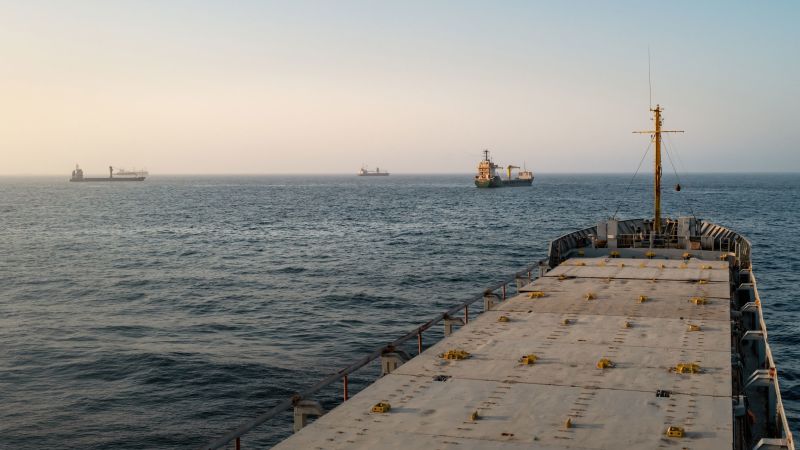
The agreement is divided into two distinct phases, each with its own timeline and objectives. Phase 1 kicks off immediately upon signing, requiring the U.S. to implement specific measures within 30 days. These include lifting the naval blockade of the Strait of Hormuz and allowing Iran to clear mines. Phase 2, a 60-day window, allows for further negotiations, though both parties can extend it. This design creates urgency for Iran while giving the U.S. flexibility to adjust terms as needed.
McGurk describes the document as a “jigsaw puzzle” of interconnected provisions. To interpret the agreement, one must focus on Article 13, which outlines the immediate obligations. This article mandates that Articles 4, 5, 10, and 11 take effect right away, forming the foundation of the initial phase. These provisions are vital for assessing the deal’s short-term impact on regional stability and economic activity.
Financial Concessions: A Major Win for Iran
“The essence of this memorandum of understanding is that Iran gets a lot now,”
McGurk explains. The agreement includes a sanctions waiver that permits the U.S. to exempt Iranian crude oil, petrochemical products, and derivatives from restrictions. This measure effectively returns Iran to the economic conditions under the Obama-era JCPOA, allowing unrestricted sales at market prices. Energy experts estimate this could generate $60–$70 billion annually for Iran, a significant financial benefit for maintaining open shipping lanes through the Strait of Hormuz.
While the U.S. views this as a necessary compromise to stabilize the region, the immediate financial gain for Iran raises concerns about long-term adherence. The waiver is not a permanent solution but a temporary tool to support ongoing negotiations. This dynamic underscores the strategic leverage Iran holds, particularly through its control of key maritime routes during the conflict.
Conditional Fund Releases: A Key Provision
Article 11 introduces a conditional clause regarding the release of Iran’s frozen funds. The U.S. commits to making these assets fully available “in light of the progress of negotiations,” which creates uncertainty about when Iran will benefit. This differs from previous agreements, where funds were typically allocated for humanitarian purposes. By linking the release of assets to future commitments, the U.S. retains control over the deal’s long-term sustainability.
“The United States undertakes that frozen or restricted funds and assets of the Islamic Republic of Iran will be released and made fully available,”
the text states. This provision ensures Iran’s financial flexibility only if it fulfills its obligations in Phase 1. The conditionality reflects the U.S. strategy of balancing immediate gains with the expectation of future compliance, a tactic that could influence Iran’s decision-making throughout the process.
Long-Term Obligations and US Commitments
The agreement’s Phase 2 outlines Iran’s long-term commitments, such as reducing its nuclear program and limiting missile development. These obligations are framed as a trade-off for the U.S. lifting sanctions. While Iran’s responsibilities are relatively limited, the U.S. has made substantial financial and political promises. The structure of the deal ensures that Iran’s actions in the early phase directly impact the extent of the U.S. concessions, emphasizing the U.S.’s reliance on Iran’s cooperation for broader regional stability.
McGurk highlights that the U.S. is positioned to bear more of the burden in this arrangement. By granting immediate relief and linking future benefits to Iran’s compliance, Washington aims to secure a long-term partnership. However, the conditional nature of the fund releases and the financial incentives for Iran may complicate the deal’s success. The structure of the agreement thus reflects a strategic effort to align short-term interests with long-term geopolitical goals.