Hackers breach senior US Space Force official’s Instagram account and post Iranian propaganda

Hackers Infiltrate Senior US Space Force Official’s Instagram, Spread Iranian Propaganda
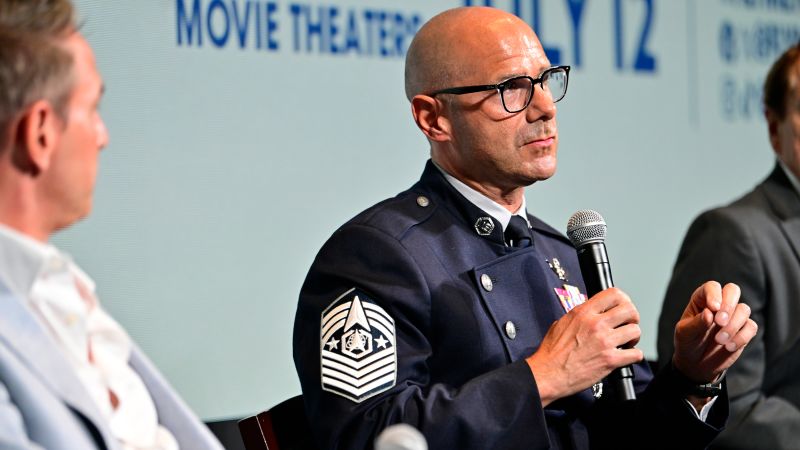
Hackers breach senior US Space Force – On Sunday, a high-ranking officer in the US Space Force fell victim to a cyberattack that compromised their Instagram account. The breach allowed malicious actors to temporarily share a sequence of pro-Iranian and anti-US messages, some of which referenced the Vietnam War. This incident highlights the ongoing battle for influence in the digital sphere as part of the broader conflict between the United States and Iran.
Propaganda Tactics Include ‘Hanoi Hannah’ Audio and Iranian Figures
Among the content posted during the hack was a video that featured audio from “Hanoi Hannah,” a legendary Vietnam War propagandist known for her broadcasts to US troops. The audio urged soldiers to “leave a sinking ship,” a phrase that resonates with the current war effort. The video also showcased images of Ali Larijani, an Iranian security official who was killed early in the US-Israel-Iran conflict. His likeness was used to amplify messages aligned with Iran’s strategic goals.
“We are working with the appropriate teams to regain access and resolve the issue as quickly as possible,” said Chief Master Sgt. John Bentivegna, the Space Force’s top enlisted officer, in a Facebook post issued that same evening.
Bentivegna’s warning came as a response to the unauthorized content, which had been posted under his account. He advised colleagues to avoid interacting with the material, emphasizing the need for vigilance in the face of digital threats. A Space Force spokesperson confirmed the breach but provided limited details, stating that the hack’s duration and the responsible parties were still under investigation.
Space Force’s Role in US Military Actions Against Iran
The Space Force has been a key player in US military operations targeting Iran, particularly in the use of non-kinetic technologies. These include satellite-based surveillance and communication systems that have supported efforts to disrupt Iranian defenses. When the bombing campaign against Iran began on February 28, the chairman of the Joint Chiefs of Staff, Gen. Dan Caine, acknowledged the force’s critical role in these operations.
Gen. Caine noted that the Space Force’s capabilities in non-kinetic effects had been instrumental in weakening Iran’s strategic position. This underscores the growing importance of space-based assets in modern warfare, where information control and surveillance are as vital as physical strikes. The force’s involvement has also raised concerns about the vulnerability of military personnel’s digital footprints during the conflict.
Threats to US Personnel Extend Beyond Social Media
US Central Command, which directs operations across the Middle East and beyond, recently reported that it had received multiple warnings about adversaries exploiting commercial location data to target or monitor US forces in the region. These reports indicate a coordinated effort to track military personnel through digital channels, potentially increasing the risk of precision attacks.
Earlier in April, several US Marines, civilian employees, and their families were subjected to “unsubstantiated” threats via text messages. The messages were attributed to a group of suspected Iranian hackers, who claimed to have full knowledge of the targets’ identities. One of the messages, examined by CNN, stated, “Your identities are fully known to our missile units, and every move you make is under our surveillance.” This illustrates the extent to which cyber operations are being used to complement traditional military strategies.
Propaganda Warfare Escalates as Hackers Target Key Figures
The breach of Bentivegna’s account is part of a series of cyberattacks that have targeted US officials and military personnel. In March, Iranian hackers infiltrated the personal email account of FBI Director Kash Patel, leaking old photos and emails. This incident demonstrated the strategic value of digital platforms in spreading disinformation and undermining trust in US institutions.
Meanwhile, young Iranian activists have turned to artificial intelligence to create viral content that mocks the US war effort. One example involved Lego-themed videos satirizing President Donald Trump, Defense Secretary Pete Hegseth, and the broader military campaign. These AI-generated videos, which spread rapidly on social media, reflect the innovative methods used to sway public opinion and disrupt morale.
Such digital tactics are not limited to individual attacks. The White House and US Central Command have also used video editing to produce strikingly polished clips of airstrikes, some of which have been compared to the immersive experience of video games like Call of Duty. These videos are designed to project strength and legitimacy, countering the propaganda efforts of their adversaries.
Broader Implications for Cybersecurity in Modern Conflicts
The incident underscores the increasing reliance on cybersecurity measures in contemporary warfare. As the US-Israel-Iran conflict intensifies, both sides are leveraging technology to gain psychological and strategic advantages. The Space Force’s exposure to hacking highlights the need for robust defenses, especially for high-profile accounts that serve as symbols of national resolve.
Experts warn that the use of social media platforms by hackers is part of a larger trend in information warfare. By hijacking the accounts of military leaders, adversaries can amplify their messages, create confusion, and erode public support for US operations. Bentivegna’s account, in particular, became a focal point for Iranian propaganda, with the stolen content reflecting the geopolitical tensions of the moment.
Despite the breach, the Space Force remains committed to its mission. The incident serves as a reminder of the challenges faced in protecting digital assets during prolonged conflicts. As the war continues, the balance between technological innovation and cybersecurity risks becomes more precarious. The fact that such a high-profile breach occurred suggests that even the most secure systems are not immune to infiltration.
Looking ahead, the conflict between the US and Iran is expected to evolve further, with cyber operations playing an increasingly central role. The recent events on Bentivegna’s Instagram account are a clear indication of how propaganda is being weaponized in the digital age. As the war progresses, the ability to control narratives will be as critical as the ability to control territory.
In summary, the hacking of a senior Space Force official’s account has exposed the vulnerabilities of digital communication in modern warfare. The use of Iranian propaganda, including references to historical conflicts and AI-generated content, demonstrates the sophistication of adversarial tactics. As the US and Iran continue their struggle, the battle for online influence will remain a defining feature of the conflict, shaping perceptions and outcomes in unpredictable ways.