Gabbard rescinds Biden-era intel assessments that were skeptical about ‘Havana Syndrome’

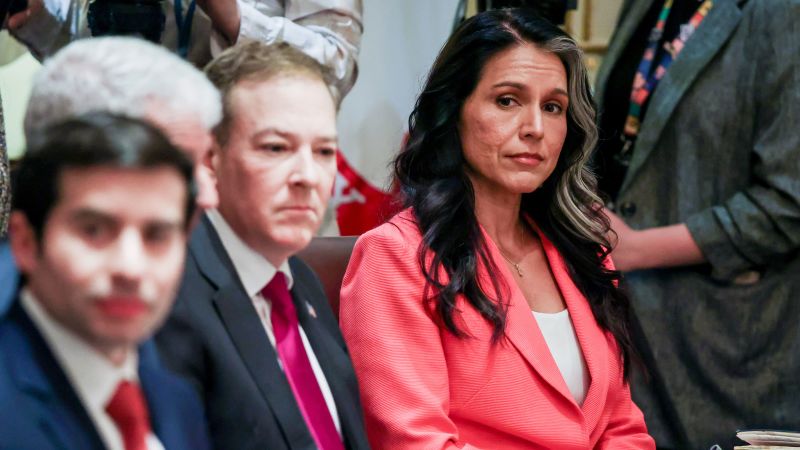
Gabbard Rescinds Biden-Era Intelligence Assessments on Havana Syndrome
Gabbard rescinds Biden era intel assessments – As the nation’s top intelligence official prepares to step down, Director of National Intelligence Tulsi Gabbard has taken a decisive action by revoking two assessments from the Biden administration that cast doubt on the reality of “Havana Syndrome.” This mysterious condition, which has affected spies, diplomats, and government officials abroad, has long been a source of contention within the intelligence community and across political divides. Gabbard’s move signals a potential shift in the official narrative, as she aims to address the growing skepticism surrounding the illness.
The issue began gaining traction in late 2016 when a group of U.S. diplomats in Havana, Cuba, reported symptoms resembling head trauma, such as vertigo and intense headaches. Over the following years, similar cases emerged in multiple countries, prompting the intelligence community and the Department of Defense to investigate whether these incidents were caused by a directed energy attack from a foreign adversary. Despite the widespread reports, some officials maintained that the evidence was insufficient to confirm an external source, while victims and their advocates argued that key data had been overlooked.
Gabbard’s memo to the intelligence community outlined the reasons for rescinding the two assessments. It stated that the original reports had selectively omitted critical intelligence, downplayed alternative theories, and relied on a medical study with ethical concerns. The analysis also claimed that the assessments were based on a limited approach to data collection, maintaining a stance that favored the absence of proof over the presence of evidence. Critics, however, believe the rescission could reignite debates about the validity of the intelligence conclusions and the treatment of affected personnel.
“This is huge news for the AHI victim community, analytic integrity, and for the American people,” said Rep. Rick Crawford, a Republican from Arkansas and chair of the House Intelligence Committee. “These flawed, fraudulent, and manufactured Intelligence Community Assessments have caused significant harm to some of our nation’s bravest.”
The decision comes amid ongoing controversy over the official definition of “anomalous health incidents” (AHI), a term the government has used to describe the symptoms. While the intelligence community initially struggled to connect the cases to a foreign adversary, recent changes suggest a reevaluation of the evidence. The rescission of the 2023 and 2025 assessments highlights the evolving nature of the investigation and the internal disagreements that have characterized the effort to understand the illness.
President Donald Trump’s nomination of Jay Clayton, the U.S. attorney for the Southern District of New York, to replace Gabbard adds another layer to the political landscape. Clayton, known for his legal expertise, is expected to bring a new perspective to the intelligence director’s role. His appointment underscores the shifting priorities of the administration and the potential for a more aggressive stance in addressing the AHI cases. The transition marks the end of Gabbard’s tenure, with her allies on Capitol Hill remaining committed to the cause.
Senior intelligence officials have acknowledged the complexity of diagnosing the illness. They noted that the symptoms reported by victims vary widely, making it difficult to pinpoint a single cause. While many cases have been attributed to other factors, such as stress or environmental exposure, some individuals argue that the evidence points to a more deliberate origin. The 2022 intelligence panel’s conclusion that “pulsed electromagnetic energy” might be responsible for certain episodes has further fueled these discussions.
During his time as CIA director, former President Joe Biden’s appointee, Bill Burns, initially supported the idea that a foreign actor, particularly Russia, was behind the incidents. He launched a broad investigation, but as the evidence remained inconclusive, his stance evolved. By 2025, the intelligence community had determined it was “very unlikely” that the symptoms were caused by a nation-state, though analysts could not entirely dismiss the possibility in a small number of cases. This inconsistency has led to frustration among victims, who feel the government has failed to acknowledge the full scope of the evidence.
The rescission of the assessments raises questions about the future of the investigation. With Gabbard leaving office, there is uncertainty whether the intelligence community will revisit the issue or pursue new findings. Some analysts believe the change could lead to a more comprehensive review, while others worry it might weaken the credibility of the existing conclusions. The outcome could have far-reaching implications for both the victims and the public’s trust in the intelligence agencies.
As the debate continues, the case of Havana Syndrome remains a symbol of the challenges in balancing scientific inquiry with political pressures. The intelligence community has faced criticism for its initial reluctance to attribute the incidents to a foreign attack, and the rescission may be an attempt to align the narrative with the experiences of those affected. However, the shift also highlights the dynamic nature of the investigation, with new evidence and perspectives continually reshaping the understanding of the phenomenon.
For the individuals who have reported symptoms linked to AHI, the rescission represents a critical opportunity to have their concerns validated. Many of these officials have suffered severe health effects, leading to early retirements and long-term medical issues. The intelligence community’s admission that alternative analyses were suppressed has sparked renewed calls for transparency and accountability. Advocates argue that the new assessments could pave the way for a more thorough examination of the cases and the role of foreign adversaries in their development.
Meanwhile, the broader implications of the decision extend beyond the immediate cases. The revised stance may influence how the government approaches similar health incidents in the future, emphasizing the need for more rigorous evidence collection and analysis. As the intelligence community navigates this change, it faces the challenge of reconciling conflicting viewpoints while maintaining public confidence in its findings. The journey to uncover the truth about Havana Syndrome is far from over, and Gabbard’s action sets the stage for a new chapter in the ongoing saga.