FBI seizes over a dozen websites it says were used by Chinese agents to recruit US officials

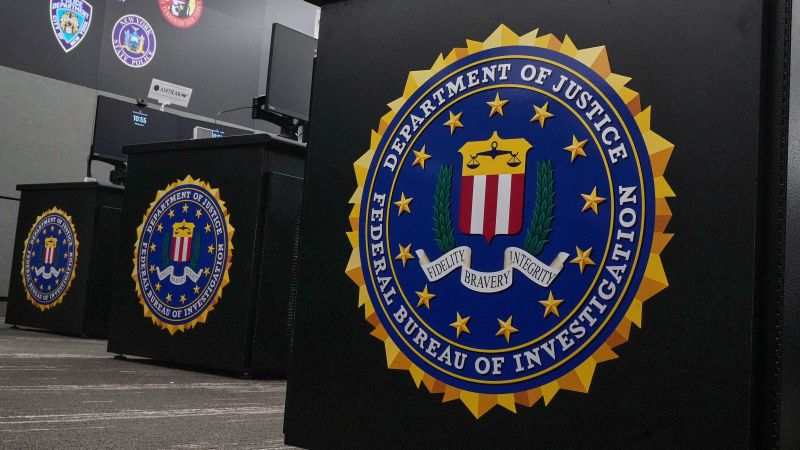
FBI Seizes Websites Allegedly Linked to Chinese Recruitment Efforts
FBI seizes over a dozen websites – On July 10, 2026, federal authorities executed a sweeping operation to take control of over a dozen websites they claim were instrumental in recruiting former and current American officials with security clearances. The FBI’s recent affidavit, released as part of the seizure, details how these digital platforms served as fronts for fake consulting enterprises, purportedly designed to lure individuals into providing sensitive or classified information in exchange for financial compensation.
The investigation reveals that the websites were part of a broader strategy to target US government personnel. According to the document, several unnamed individuals used the platforms to advertise roles such as “International Affairs Analysts (Remote),” Defense Analyst, and “Jobs for Ex-Military Personnel.” These job postings also included generic consulting opportunities, creating a veneer of legitimacy that masked their true purpose. The FBI asserts that the sites were used to solicit information on topics ranging from China’s geopolitical interests to U.S.-Iran tensions and the Israel-Palestine conflict, all while aiming to extract insider knowledge.
“The conspirators have also paid the various recruits at accounts located in the United States through payments originating from accounts located overseas,” the affidavit says.
One of the key aspects of the operation was the use of cryptocurrency to fund the websites, which allowed for anonymity and reduced traceability. Additionally, foreign banks were reportedly involved in facilitating transactions, further obscuring the financial trail. The FBI emphasizes that the recruited individuals were not only asked to submit detailed research reports but were also subjected to identity theft tactics, including the use of AI-generated images and videos to impersonate real people.
While the exact number of recruits is not specified, the affidavit lists seven individuals who were allegedly targeted through the sites. These recruits were reportedly asked to provide papers on subjects of interest to the Chinese government, such as defense strategies and international relations. The FBI believes the overseas-based conspirators acted either knowingly or unknowingly on behalf of Beijing, using the digital platforms as a conduit for their intelligence-gathering activities.
The Justice Department, in a press release issued Wednesday, noted that the operators of the websites denied any connection to foreign governments. This denial adds complexity to the case, as it suggests the individuals may have been unaware of the broader scheme or were working under false pretenses. However, the FBI maintains that their actions were deliberate, with the goal of acquiring strategic insights from within the U.S. government.
Methodology and Digital Tactics
The FBI’s affidavit outlines the methodology employed by the alleged Chinese agents. It describes how they replicated the branding and content of real overseas companies, using stolen identities to create an illusion of credibility. This approach allowed them to present themselves as legitimate recruiters, making it easier to approach government officials without suspicion.
Among the tactics highlighted, the use of AI-generated media stands out as a sophisticated tool. The affidavit mentions that the conspirators created synthetic images and videos to enhance their online presence, potentially portraying themselves as trusted professionals. This level of technological manipulation underscores the evolving nature of cyber espionage and the increasing reliance on digital deception in recruitment efforts.
Another notable element is the strategic placement of job advertisements on platforms like LinkedIn and Upwork. These sites are popular among professionals seeking remote or freelance opportunities, making them ideal for targeting individuals with access to classified information. The FBI claims the job postings were tailored to reflect the interests of the Chinese government, ensuring that the most vulnerable candidates were attracted to the roles.
The report also mentions that at least one foreign intelligence officer directed an asset to create a company profile on LinkedIn. This individual was tasked with posting job advertisements and actively seeking out federal employees who expressed openness to new opportunities. The strategy appears to capitalize on the transient nature of job markets, particularly during periods of administrative upheaval.
Interestingly, the FBI notes that one of the seized websites featured testimonials from the fictional characters of the Anchorman comedy film. This creative touch, while seemingly unrelated, may have been used to add an air of authenticity to the recruitment process. The inclusion of such content suggests that the conspirators were not only focused on practical methods but also on psychological manipulation to influence their targets.
Context and Broader Implications
Last year, the Naval Criminal Investigative Service (NCIS) released a report highlighting similar concerns about foreign actors attempting to infiltrate the U.S. federal workforce. The document, reviewed by CNN, indicated that during the Trump administration’s plans for mass layoffs, foreign intelligence officers exploited the situation to recruit individuals who were more likely to be displaced and seeking new employment.
The current FBI investigation builds on these earlier findings, demonstrating a pattern of recruitment that leverages both economic and geopolitical factors. By targeting officials with security clearances, the Chinese agents aim to gain access to critical information that could influence U.S. foreign policy. The use of digital platforms to facilitate this process highlights the importance of online security in protecting government data.
While it remains unclear whether classified material was actually shared through the alleged plot, the FBI’s actions suggest a proactive effort to prevent potential breaches. The seizure of the websites represents a significant step in uncovering the network of individuals involved in this recruitment scheme. As the investigation continues, further details about the identities of the recruiters and the extent of the collaboration with Chinese intelligence are expected to emerge.